Bohemian Shepherd Training: Build Useful Teamwork
Build Bohemian Shepherd training around clear goals, rewarding games, calm transitions, and gradual practice in everyday settings.
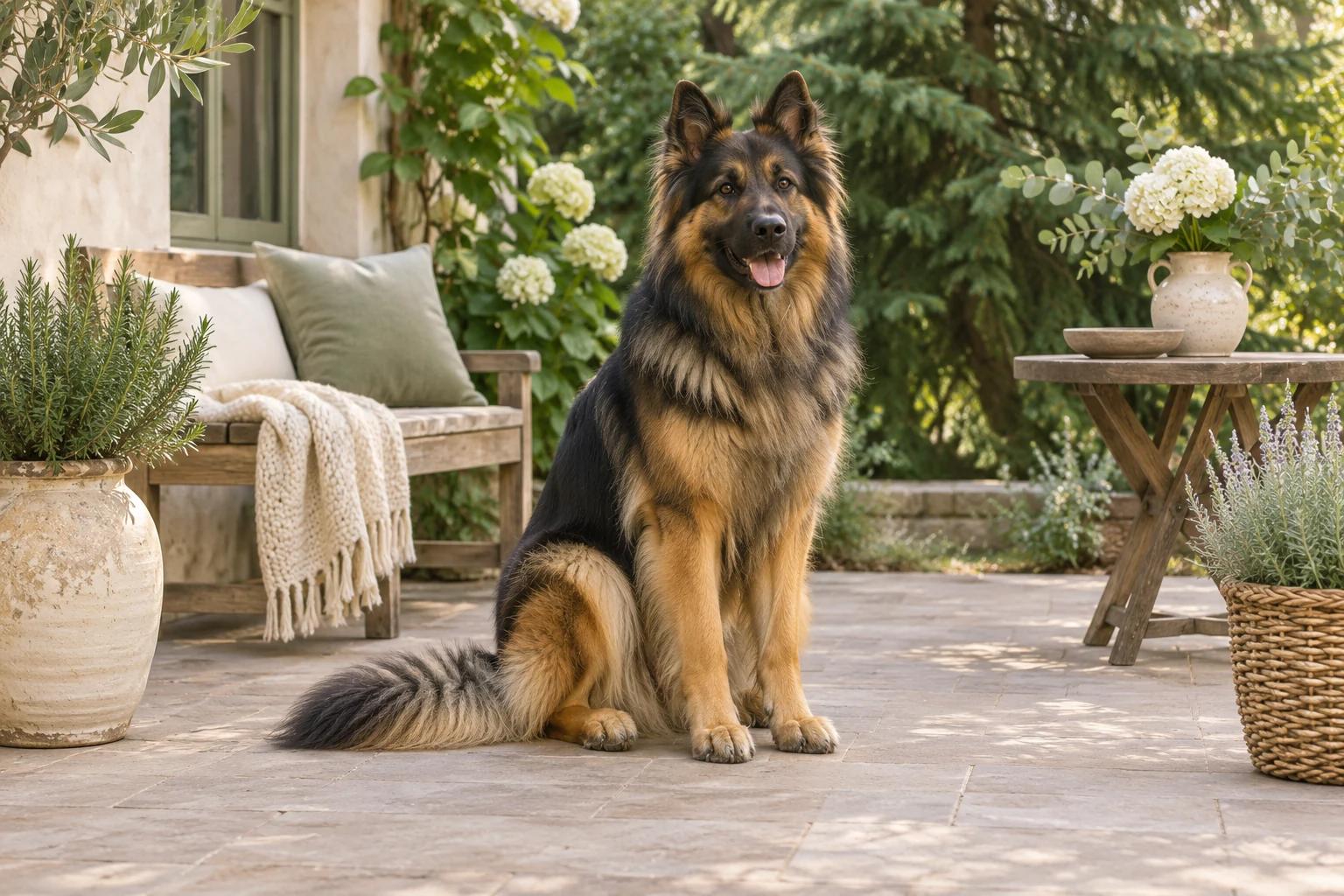
Bohemian Shepherd training can be a satisfying part of ownership when you treat learning as something you do together. A responsive dog benefits from clear tasks, achievable steps, and an owner who notices when the exercise has become too difficult. Enthusiasm is useful, but it still needs direction.
The Bohemian Shepherd profile highlights mental work alongside physical activity. Build a small set of skills that improve your actual day rather than measuring progress by the number of impressive tricks the dog can perform.
Bohemian Shepherd training starts with one useful goal
The AKC breed overview describes a versatile, athletic dog. In a pet household, versatility can mean trying several suitable activities over time, not beginning all of them in the first week.
Choose one practical goal for now. Perhaps you want the dog to wait while the lead is attached or move onto a mat while you answer a call. Describe the behavior precisely enough that another person would recognize it when it happens.
A goal such as behave better is too broad to teach directly. Waiting with four feet on the floor while you pick up the lead is much clearer. Once that step is familiar, you can add the next part of leaving the house.
Set up a short lesson
Prepare the reward and clear the practice space before inviting the dog over. Remove objects that make movement awkward, and choose a moment when you are not rushing. The setup should help you pay attention to the dog rather than to missing supplies.
Finish after a manageable amount of practice. You do not have to keep going until a mistake occurs. Ending with a clear success gives you a useful starting point for the next session and avoids turning enthusiasm into an exhausting repetition contest.
How to train a Bohemian Shepherd through games
If you are exploring how to train a Bohemian Shepherd, reward-based games offer a friendly way to rehearse useful behavior. The AKC training-games article explains the value of engaging, low-pressure practice. You can apply that principle without copying an elaborate sequence.
For a household movement game, choose two comfortable resting spots a short distance apart. Teach each destination separately before asking the dog to move between them. The practical purpose might be shifting from the kitchen area to a bed beside your desk.
Keep the task understandable. If the dog repeatedly guesses, shorten the distance or return to one familiar location. A game is not automatically helpful just because it includes excitement; the dog still needs a reasonable chance of understanding what earns the reward.
Use variety after the foundation is familiar. Moving a known mat a small distance is a more manageable change than suddenly asking for the same response in a noisy hall full of people.
Bohemian Shepherd obedience for daily transitions
Bohemian Shepherd obedience is particularly useful between activities. Coming inside after a walk, waiting during a coat check, and settling while the household eats are transitions you will repeat often. Plan them as carefully as the outing itself.
For the return home, choose where equipment comes off and where the dog goes next. Keep towels or brushes accessible if you use them. A predictable arrangement avoids asking the dog to wait while you search several rooms for supplies.
Practice the quiet version first. You might rehearse stepping onto the resting mat when no walk has occurred, then use that familiar behavior after a routine outing. A dog cannot be expected to understand an entire chain simply because each part seems obvious to a person.
Make resting a legitimate activity
Do not fill every available moment with another task. A dog interested in learning also needs opportunities to remain near you without receiving constant invitations. Reward comfortable settling without repeatedly restarting play as soon as it becomes quiet.
Keep the resting place practical. If a rolling chair regularly bumps the bed or people step across it, the layout works against the lesson. Teaching and household arrangement should support each other.
Bohemian Shepherd socialization without a greeting quota
Bohemian Shepherd socialization should be about manageable experience, not collecting a fixed number of greetings. Choose situations where the dog can observe, move away, and remain comfortable. Direct interaction is only one possible part of learning about the world.
For a puppy, coordinate appropriate outings with veterinary guidance. For an adult, ask about existing experience before assuming unfamiliar surfaces, crowds, or transport are routine. Age does not tell you what a dog has already encountered.
If the dog becomes preoccupied or unable to engage in a familiar easy task, consider increasing distance or choosing a quieter location. You do not need to stay until the situation becomes a struggle. A shorter manageable visit can provide a better starting point for another day.
Keep cues clear across the household
Choose a small vocabulary and explain what each cue means. If one person uses a word for lying down while another uses it for leaving furniture, the dog is receiving different instructions under the same label.
Tell caregivers where a skill is reliable and where it is still developing. Waiting in the kitchen is not the same challenge as waiting near another dog in a park. Sharing that distinction prevents someone from accidentally setting a much harder task than intended.
A brief written note can include the cue, the expected action, and the reward the dog knows. This is especially useful for an occasional walker who sees only part of the routine and should not have to guess how you communicate.
Choose classes for the experience you need
A class can offer instruction and practice around controlled distractions, but the format matters. Ask about space between dogs, methods, group size, and how the instructor helps a dog that needs more distance. The most demanding class is not necessarily the best starting point.
If you want to explore a sport, observe an introductory session before committing. Include travel, waiting, and home practice in your decision. A weekly activity should fit the household without making every other part of the routine harder to sustain.
For behavior you cannot manage comfortably, seek individual help from a qualified reward-based professional. Bring examples of what happens before and after the difficulty. That gives the consultation a clearer purpose than a broad request to make the dog more obedient.
Give the breed's story its own place
The article on Bohemian Shepherd history, pictures, and pedigrees explains a different aspect of the breed. Historical background can be interesting without dictating your training goals. Your dog's everyday needs should set those priorities.
Use the breed quiz to consider whether ongoing shared learning appeals to you. The best training plan is one that remains clear, kind, and practical through an ordinary week.
FAQ
What is a good first training goal?
Choose an everyday task such as waiting for the lead or moving to a resting mat. Define the behavior clearly and teach it in a quiet setting before using it during a busy transition.
Do Bohemian Shepherds need a competitive sport?
Competition is not required to provide purposeful learning. Household skills, simple games, and suitable classes can offer shared activity. Choose a sport only if the individual dog and your schedule suit it.
Should socialization involve every person and dog we meet?
No. Calm observation with room to move away can be valuable. Keep experiences manageable and use veterinary guidance for puppy outings. Direct greetings are not the only measure of progress.
Why does a learned skill disappear in a new place?
New surroundings can add difficulty. Return to an easier version of the task and practice gradually. A response learned in a quiet room may need further teaching before it works around outdoor distractions.
Sources behind this article
Article source checked: November 14, 2026. Source checked 2026-11-14
Keep reading

Affenpinscher Training: Build Useful Everyday Habits
Read article →