Bloodhound mantrailing or tracking: what does the team find?
Learn how American Bloodhound Club mantrailing differs from AKC tracking, what each test seeks, and why a sport title is not search-and-rescue certification.
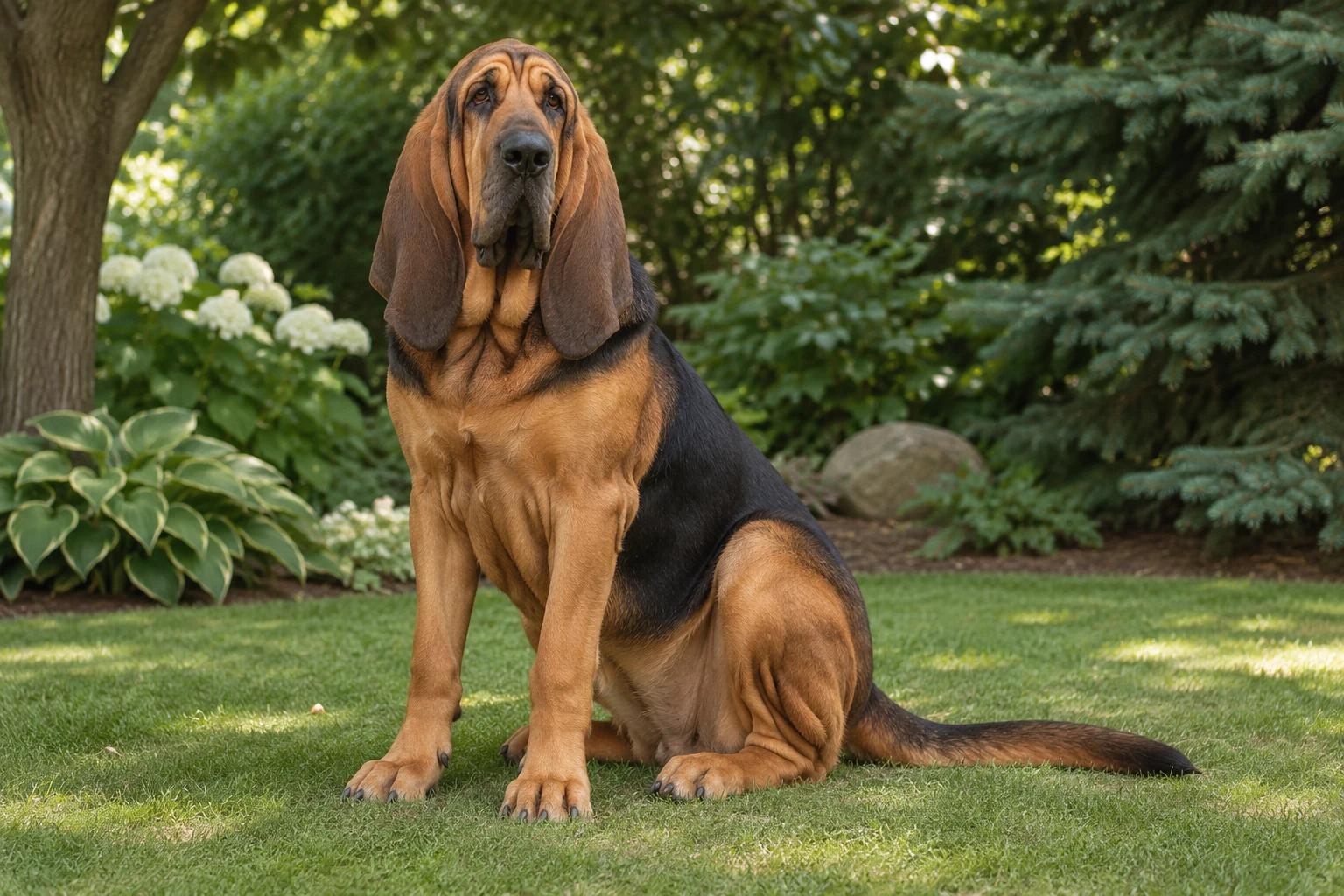
Start with the task at the end of the trail
If you want a scent-based activity with a Bloodhound, the words tracking and trailing can seem interchangeable. For these two organized programs, the practical distinction is the task the team must complete. American Bloodhound Club mantrailing tests center on identifying a particular person. AKC tracking tests involve following a person's laid track and finding objects placed along it.
That gives you a concrete question when approaching a club: are beginners learning to find a trail runner, or to follow a plotted track and indicate articles? An article in this context is an object, not a written story. Knowing the goal helps you understand a demonstration before deciding whether the activity appeals to you.
Read each program on its own terms
The American Bloodhound Club rules describe Mantrailer, Mantrailer Intermediate and Mantrailer Excellent titles, with an entry-level evaluation before the first title test. In the trailing tests, the dog works in a harness on a lead. Success requires finding and identifying the correct runner; the rules do not require the dog to follow the runner's exact footsteps. The handler must recognize when the dog has made the find.
AKC's tracking introduction describes judges evaluating a team as it follows the tracklayer's path and finds the required objects. Its introductory Tracking Dog test requires certification before entry. These are different test structures, not competing definitions of which dog has the better nose. Neither is a reason to improvise a demanding trail without suitable instruction.
Choose a learning group, not an emergency role
The Bloodhound club explicitly states that its trailing titles do not qualify a team for police or search-and-rescue work. A recreational achievement is valuable on its own terms. It does not authorize joining an active search or establish readiness for the practical demands and responsibilities of an operational team.
Before signing up, ask a local group how it introduces beginners, arranges volunteer trail runners or tracklayers, and manages locations and line handling. For example, you may discover that you enjoy helping lay trails as much as working your own dog. That social and logistical side is part of choosing the hobby. Start with a supervised introduction and learn the program's current requirements, rather than measuring a first outing against a title-level test.
Sources behind this article
Article source checked: October 20, 2026. Source checked 2026-10-20
Keep reading
Bloodhound Grooming: A Practical Routine for Everyday Life
Read article →