Bloodhound Grooming: A Practical Routine for Everyday Life
Build a manageable Bloodhound grooming routine, from brushing and drool towels to handling practice, appointments, and household cleanup.
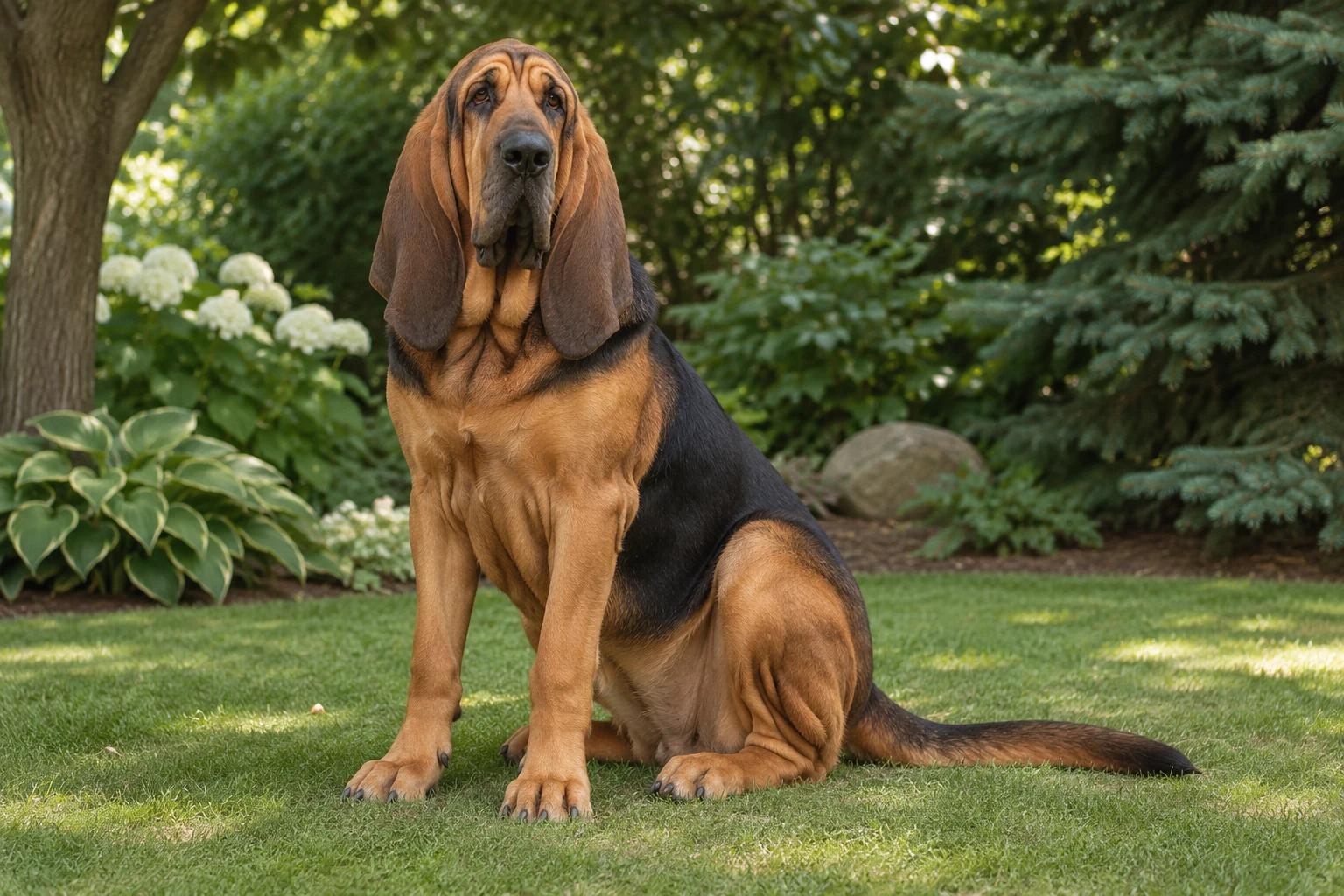
Bloodhound grooming is less about creating a sculpted outline and more about keeping a large, short-coated dog comfortable with ordinary care. Brushing, cleanup, handling practice, and a sensible place to work all matter. The coat may look straightforward, but your routine needs to account for the whole dog rather than just the hair you can see.
Our Bloodhound profile describes its short, smooth coat and current care plan: Brush weekly ordinarily. During heavy spring or fall shedding, try three or four sessions a week, or daily at the peak as needed. That gives you a useful starting point for planning the work without turning grooming into a complicated project.
Bloodhound grooming starts with a workable setup
Choose a spot with enough room for the dog to turn and for you to reach both sides without leaning awkwardly. Think about lighting, footing, and where supplies will sit. A narrow bathroom may be convenient for storing products yet unsuitable for working comfortably around an adult Bloodhound.
The breed's size also affects transport and professional appointments. Ask a groomer how larger dogs enter the bathing area and whether the facility suits your dog's handling experience. You do not need to own salon equipment to maintain a useful home routine.
The AKC Bloodhound overview highlights the contrast between a relaxed off-duty manner and determination around scent. In practical terms, choose a quiet care spot rather than expecting concentration beside an open door full of interesting smells.
Keep a small kit you can actually use
Start with the equipment your groomer demonstrates, a clean towel, and a place to put used items. An expensive collection of unfamiliar tools is less useful than knowing how to use one suitable brush correctly.
Store the kit where you can reach it before inviting the dog over. Searching through cupboards midway through a session makes care longer and more disorganized. Keep separate household-cleaning products out of the dog's grooming supplies.
Bloodhound coat care is a repeatable habit
The American Bloodhound Club's FAQ describes weekly brushing and routine attention to nails, ears, and eyes as part of ownership. That is a planning framework, not a reason to perform unfamiliar procedures without instruction.
For Bloodhound coat care, ask someone experienced to demonstrate a comfortable brushing technique on your dog. Watch the direction, pressure, and response rather than concentrating only on the amount of hair collected. A short demonstration can answer questions that a product description cannot.
Divide your home session into manageable sections. You might work along one side, pause, and continue only while the dog remains comfortable. There is no benefit in turning a simple brush into a long contest over standing still.
Keep a brief record of what works. Note the location, tool, and approximate length of a successful session. This makes it easier for another household member or a boarding caregiver to follow the same approach.
Plan for Bloodhound shedding and household cleanup
Bloodhound shedding belongs in the ownership budget of time as well as supplies. Short hair still reaches clothing, bedding, and the car. Decide which surfaces need washable covers and where the dog will rest after an outing.
A practical arrangement might include one washable cover on the favorite resting spot, a second ready for laundry day, and a brush stored near the care area. That is easier to maintain than repeatedly improvising with whatever blanket is nearby.
Consider the car separately. A cover that works on the sofa may not fit the vehicle or stay in position during a journey. Choose equipment for its actual location and follow its instructions rather than assuming one item solves every cleanup problem.
Do not judge a brushing session by whether the house becomes hair-free afterward. The useful goal is a consistent routine that fits your dog and household, not a promise that regular brushing removes every loose hair.
Make drool management ordinary, not dramatic
The breed club notes that drool towels are a familiar accessory for Bloodhound owners. Keep clean cloths where they are genuinely useful, such as near the water station and with walking equipment.
Think through your home's traffic pattern. If the dog leaves the drinking area and immediately crosses a polished hallway, placing washable materials appropriately may simplify cleanup. Keep walking surfaces clear rather than creating a trail of loose towels.
When wiping the face, move gently and let an experienced professional show you an appropriate technique. Do not turn facial cleanup into an improvised treatment routine. For irritation, discomfort, unusual discharge, or other concerns, talk with your veterinarian.
Household visitors also benefit from a straightforward explanation. Showing someone where the clean cloths live is more useful than apologizing repeatedly for a normal part of sharing a home with this breed.
How to groom a Bloodhound without rushing
If you are learning how to groom a Bloodhound, separate teaching the routine from completing every task. First practice approaching the care area. Then introduce brief contact and the sight of equipment. Build a predictable sequence that the dog can recognize.
Use the same simple words and avoid several people crowding around to help. One calm handler and an organized setup often make it easier to see what the dog is responding to.
Ask for a demonstration before taking over
For nail care, ear care, and bathing questions, have a groomer or veterinarian explain what is appropriate for your individual dog. Ask which tasks you can repeat at home and which should remain with a professional.
A useful appointment ends with clear instructions rather than a vague promise to “keep an eye on things.” Write down the demonstrated task, any recommended equipment, and when to seek help. Do not substitute an online breed routine for advice about a particular concern.
Fit grooming into the rest of the week
Choose a regular time that does not compete with a rushed departure or an exciting arrival. Keep the session modest enough that you can repeat it even during a busy week. If the plan repeatedly falls apart, simplify the setup before buying more products.
Use our dog breed quiz to consider how this upkeep fits alongside your other preferences. For a different part of Bloodhound life, read our introduction to mantrailing and tracking. Grooming remains its own everyday commitment, whichever activities you enjoy together.
FAQ
How often should I brush a Bloodhound?
The current My Breed Atlas Bloodhound care recommendation is: Brush weekly ordinarily. During heavy spring or fall shedding, try three or four sessions a week, or daily at the peak as needed. Ask a groomer to demonstrate suitable tools and technique, then adapt the routine to your dog's actual coat and activities.
Does a short coat mean a Bloodhound will not shed?
No. Bloodhounds have short coats, but regular shedding is part of ownership. Plan for brushing, washable bedding, and ordinary household cleanup rather than expecting short hair to stay entirely on the dog.
What should a beginner learn first?
A beginner should learn comfortable handling, an appropriate brushing technique, and which tasks require professional instruction. Start with a repeatable setup and short sessions rather than trying to complete every grooming task at once.
Should I follow a fixed bathing schedule?
Ask a groomer or veterinarian about bathing arrangements suitable for your Bloodhound. Coat condition, activities, and individual needs matter more than copying a universal calendar. Talk with your veterinarian about discomfort or changes that concern you.
Sources behind this article
Article source checked: November 14, 2026. Source checked 2026-11-14
Keep reading

Affenpinscher Grooming: A Practical Coat-Care Routine
Read article →