Black and Tan Coonhound Training: Work With the Nose
Build Black and Tan Coonhound training around attention, recall practice, scent distractions, and clear everyday learning goals.
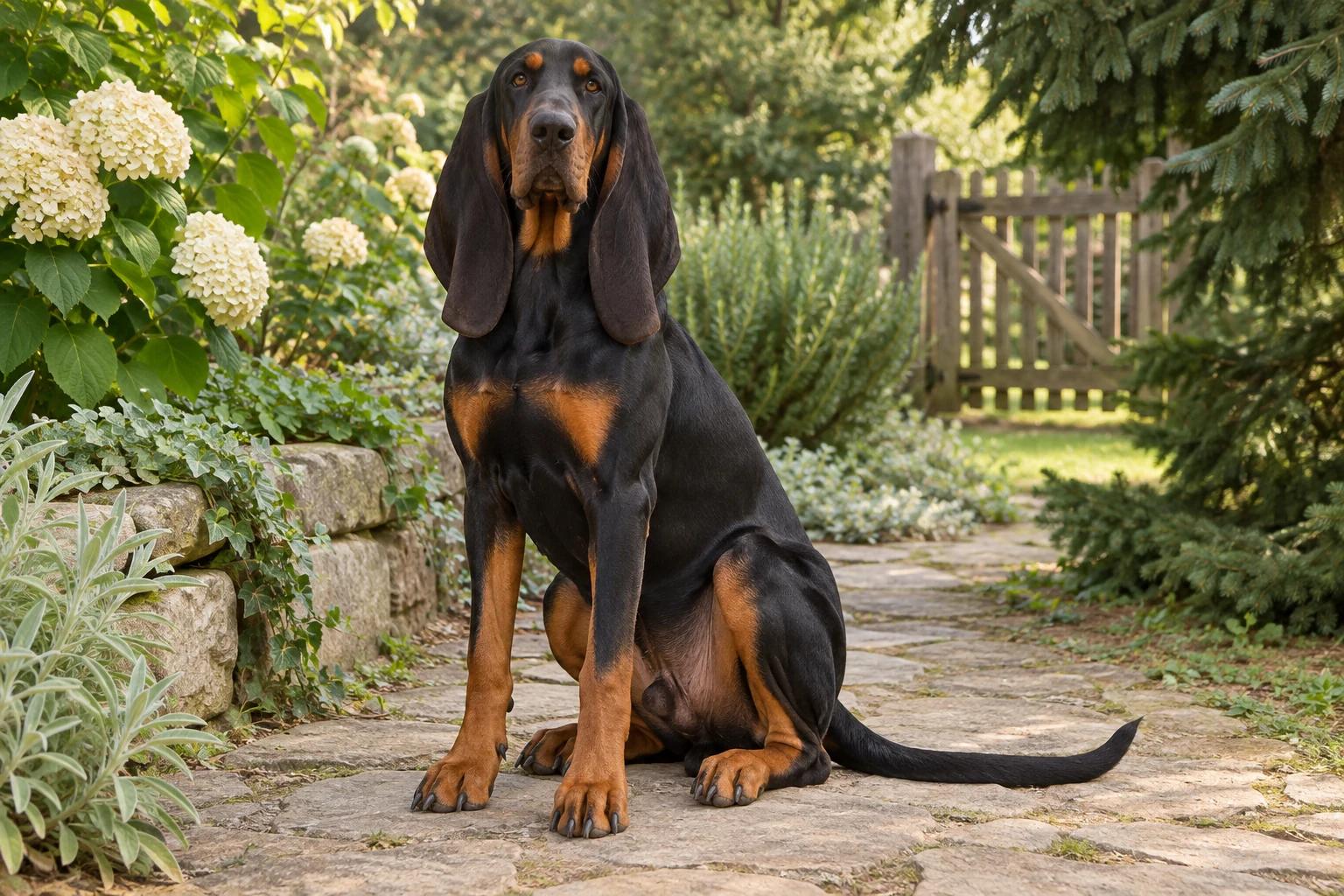
Explore the
Black and Tan Coonhound
Background, care, and everyday considerations.
View breed profile →Black and Tan Coonhound training works better when you recognize what your dog finds interesting instead of treating every sniff as disobedience. A scent-focused walk can feel very different from a quiet lesson in the kitchen. Your task is to build useful communication across those settings, with realistic steps between them.
The Black and Tan Coonhound profile describes a dog that benefits from daily learning and substantial outings. Start with the skills that make those outings and your shared home life easier, rather than attempting an entire obedience syllabus at once.
Black and Tan Coonhound training starts with the setting
The AKC breed overview describes an athletic hound with a determined working side. For training, that is a reason to examine the environment, not to assume that a particular dog cannot learn.
Choose a place where you can explain a new task without competing with everything outdoors. Teach the action clearly, then introduce a modest change. A different room may be enough of a new setting before you try the garden or a quiet stretch of pavement.
Keep track of the actual conditions. “Responded beside the back door before breakfast” tells you more than “knows the cue.” The first description identifies a version you can repeat; the second can tempt you to expect the same performance in a very different situation.
Build an attention map
Make a simple list of locations from easiest to hardest for your dog. Include familiar rooms, the entrance, a quiet outdoor area, and places with more smells or movement. This is your own practical planning tool, not a universal ranking of training environments.
When practice becomes difficult, move back to an easier point on the map. You can then identify whether distance, surroundings, or another change made the task too demanding. That is more productive than making the cue louder.
How to train a Black and Tan Coonhound around scent
When considering how to train a Black and Tan Coonhound, separate exploration from a specific learning exercise. On an ordinary outing, there can be room for investigating smells and for brief moments when you ask the dog to move with you.
Decide what each part looks like. You might use one familiar stretch for a few easy responses, then allow a pause to explore an appropriate area. The point is to make the transition understandable rather than asking for continuous attention throughout the entire walk.
Notice the distance at which a distraction becomes difficult. If your dog can respond before reaching an especially interesting patch but not when its nose is already there, use that observation in your planning. Practice the transition sooner and in a less demanding setting while the skill develops.
Avoid turning every smell into a confrontation. A trainer can help you build a workable pattern of moving, pausing, and responding without making the walk a contest over who controls each step.
Black and Tan Coonhound recall needs protected practice
Black and Tan Coonhound recall should be taught as a skill, not tested by releasing the dog into an open area. The AKC recall guide supports beginning with few distractions, rewarding returns, and using secure boundaries or an appropriate long line as practice expands.
Begin with a version you can set up deliberately. Choose a short distance and a familiar place. Recognize a successful return and keep the learning clear. As the task develops, change one element rather than combining a new location, more distance, and exciting distractions all at once.
Keep the physical arrangement in place while you learn what the dog can do. A good response yesterday does not tell you how it will respond to a new scent today. Recall practice and suitable management serve different purposes and can work together.
Record the missing step
If the dog turns toward you but does not complete the return, that is different from not noticing the cue. Describe what happened instead of calling the whole attempt a failure. A qualified reward-based trainer can use that information to help you choose the next teaching step.
Do not make every return predict the end of an enjoyable activity. Think about how the whole sequence feels to the dog, including what happens after it reaches you.
Teach the transition back into the house
Returning home is an often-overlooked training opportunity. Equipment needs to come off, doors need to close, and the household may need a quieter pace. Decide on a simple routine before the dog arrives at the entrance full of interest.
You might teach a pause on a mat while you put away equipment, then provide a familiar resting place. Introduce those pieces at an easy time rather than expecting the complete sequence after an exciting outing.
Keep the resting area usable. If it is continually moved, crowded with household items, or placed where people step over the dog, it may not serve the purpose you imagined. Training and room arrangement should support each other.
The aim is not to remove enthusiasm. It is to give the dog a clear way to finish one activity and begin another. Small, repeatable transitions can make daily life feel more organized for everyone involved.
Choose coonhound training tips by their usefulness
The most useful coonhound training tips address an actual difficulty you can describe. Before trying a new method, write down the action you want, the setting, and what currently happens instead.
Ask a trainer to explain how their proposed exercise connects to that goal. You should understand what to reward, what to change if the dog struggles, and how to judge progress. Avoid advice built only around labels such as stubbornness or dominance.
Use the dog matching quiz to consider the training involvement you enjoy. The site's article comparing hound head features covers a separate identification topic. Recognizing the breed's appearance is not the same as knowing how an individual learns; that knowledge comes from careful observation and practice.
FAQ
Are Black and Tan Coonhounds trainable?
Yes, useful everyday skills can be taught through clear, reward-based practice. The individual dog, task, and environment affect progress. Start in a manageable setting and build gradually rather than interpreting scent interest as proof that learning is impossible.
How should I start Black and Tan Coonhound recall?
Begin at a short distance in a low-distraction setting and reward the completed return. Use secure boundaries or suitable line handling as you expand practice. Do not release the dog into an open area simply to find out whether the cue works.
What if my coonhound ignores me while sniffing?
Notice where and when responding becomes difficult, then practice in an easier setting or before reaching that distraction. Describe the missing step rather than repeatedly increasing your volume. A reward-based trainer can help you plan useful transitions between exploration and responding.
Which skills matter most at home?
Choose skills that improve your routine, such as coming toward you, cooperating with equipment, and settling after an outing. Define each action clearly and teach it in small pieces. Practical progress is more useful than collecting cues that rarely apply to daily life.
Sources behind this article
Article source checked: November 14, 2026. Source checked 2026-11-14
Keep reading

Affenpinscher Training: Build Useful Everyday Habits
Read article →