Bichon Frise Exercise Needs: Walks, Play, and Variety
Plan Bichon Frise walks, play, and engaging activities without turning every outing into a mileage target.
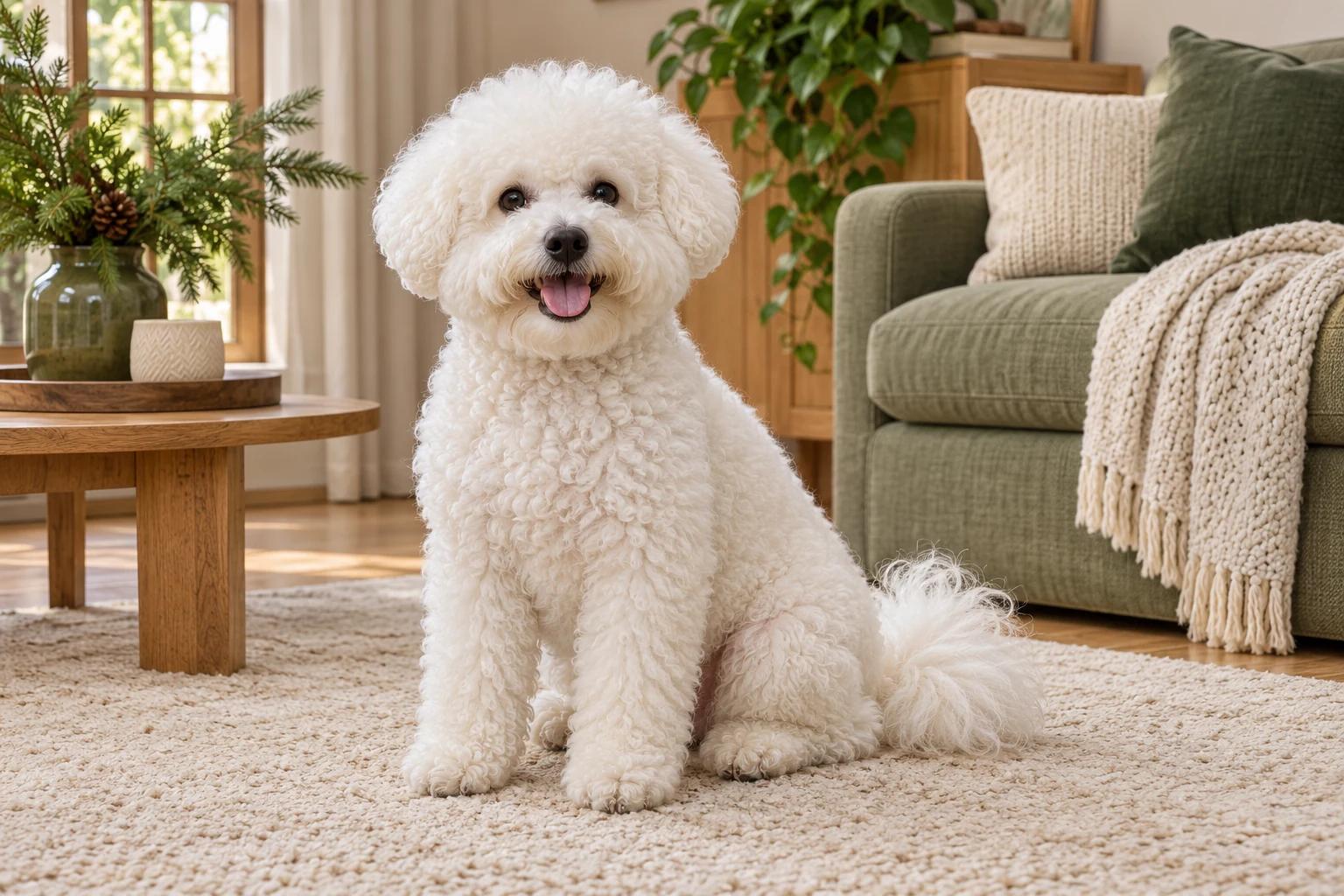
Bichon Frise exercise needs are better approached as a mix of outings and shared activities than as a race to reach a mileage target. A walk, a little play, and something interesting to work out can have different places in the day. Your dog's age, preferences, and circumstances matter more than copying another Bichon's schedule.
The breed's small size does not make a home full of furniture an exercise plan. Equally, you do not need to design every outing around a hard run. Start with the practical picture on our Bichon Frise breed page, then choose activities you can actually offer consistently.
Bichon Frise exercise needs include more than forward motion
A walk can serve several purposes: a toilet opportunity, a chance to investigate smells, movement through the neighborhood, or practice staying connected with you. Decide which purpose matters before leaving home. Otherwise, you can spend the whole outing pulling toward a distance goal while your dog keeps trying to examine the same patch of grass.
The American Kennel Club's Bichon overview includes daily walks and play, rather than a requirement for vigorous exercise every day. It also notes opportunities in activities such as rally and obedience. Those are options for interested dogs and people, not a compulsory sports schedule.
A useful plan has room for both movement and exploration. You might choose one route where your dog can stop often, and another quieter setting where you practice walking together. Neither needs to become a test of how far you can go before turning home.
How much exercise does a Bichon Frise need?
There is no single number of minutes that describes every Bichon. A puppy learning about the world, an adult with a familiar routine, and an older companion should not automatically receive identical plans. If you need individual exercise guidance, talk with your veterinarian rather than treating an online duration as a prescription.
For household planning, work backward from what you can provide. Who handles the first outing? Is there another opportunity during the day? What happens when rain changes the usual route? Write those answers before selecting an ambitious activity you can only manage occasionally.
Then observe the outing itself. Is the dog interested in the environment, willing to move with you, and able to take a pause? Note what kinds of activities seem enjoyable. Avoid deciding that every restless evening means the walk must become longer; the day's social contact, interruptions, and opportunities to settle also deserve attention.
Make a Bichon Frise daily walk practical
Choose a route with a straightforward way home. A loop that looks short on a map may have a busy crossing, loose dogs behind a fence, or a stretch without a comfortable place to pause. Walk it yourself if you are planning a new routine for a dog you do not know well yet.
Keep the dog's scale in mind without treating it as helpless. A narrow verge beside fast traffic may offer less useful space than a quieter side street. A crowded sidewalk can require more attention to passing people than an open path. The best route is not necessarily the most scenic one in your photos.
Separate toilet logistics from your leisure walk. If you have to leave for work, provide a purposeful toilet opportunity rather than starting an excursion you will have to interrupt abruptly. On a less hurried outing, allow room for sniffing and changing direction without repeatedly checking the clock.
Use indoor play with an actual beginning and ending
An indoor game works best when everyone knows the space being used. Clear a short section of floor, choose one suitable toy, and put unrelated items away. You do not need a complicated obstacle course to make the activity engaging.
Try simple choices: bringing a toy to you, following a hand target between two nearby places, or finding a visible toy after you set it down. Begin with something the dog can understand. A puzzle that is too difficult may produce frustration rather than the thoughtful activity you intended.
Give the game an ending. Put the equipment away and move on to a quieter part of the day instead of repeatedly restarting whenever someone passes through the room. This is an organizational suggestion, not a promise that one particular game will solve an individual behavior problem.
Match the Bichon Frise activity level to the setting
Small spaces can still hold interesting activities, but shared housing adds practical considerations. A hallway may be someone else's route to the lift, not your private training lane. A balcony is not the same thing as an outdoor walk. Choose activities that fit the actual space available.
For an outing to a class, ask about the floor surface, class size, and waiting area. A thoughtful setup matters more than enrolling in the busiest session. Watch a class before committing if you can; see whether there is room for dogs to take breaks away from the main activity.
The Bichon Frise Club of America emphasizes routine, companionship, and suitable play. In your own plan, connect those ideas to a manageable schedule: someone is present to participate, the activity has a purpose, and the dog is not simply left to invent entertainment alone.
Keep outdoor adventures compatible with coat care
An outing is not finished when you reach the door. Set aside a place for outdoor equipment and a quick check after a grassy or damp route. A towel beside the entrance may make the return much simpler than trying to reorganize the room with a wet dog beside you.
This does not mean avoiding every interesting surface. It means accounting for the practical cleanup that accompanies your chosen activity. If a route creates more coat work than you can manage that day, select a different one rather than cancelling all activity.
Our separate guide to the Bichon's puppy-to-adult coat change explains that coat topic. Here, the planning question is simply whether the walk and its follow-up fit together in your day.
Build a routine you would repeat next week
A useful exercise plan should survive an ordinary weekday. Keep a couple of outdoor options and a simple indoor activity ready, rather than relying on one elaborate weekend outing to carry the whole schedule.
If you are choosing a breed, use the dog matching quiz to consider activity alongside grooming, company, and your home setup. Exercise is one part of the decision, not a score that cancels out every other responsibility.
FAQ
Do Bichons need walks every day?
Daily walks and play belong in a practical Bichon routine. Their form should suit the individual dog and circumstances. A yard or indoor space does not automatically provide the same shared activity and exploration as going out together.
Does a Bichon Frise need long runs?
Long runs are not a general requirement for the breed. Choose suitable walks, play, and learning activities instead of assuming harder exercise is always better. Talk with your veterinarian about exercise appropriate for your individual dog.
Can a Bichon enjoy training activities as well as walks?
Yes. Activities such as simple obedience exercises or rally can offer another way to spend time together. Start at a suitable level and choose a setting that allows breaks, rather than expecting every dog to enjoy the same sport.
What should I do when the usual walk is inconvenient?
Keep an alternative route and a straightforward indoor activity available, while still arranging necessary toilet opportunities. A backup plan is more useful than relying on a single route that becomes impractical in poor weather or at busy times.
Sources behind this article
- AKC: Facts About the Bichon Frise ↗
- Bichon Frise Club of America: Creating a Puppy You Can Live With ↗
Article source checked: November 14, 2026. Source checked 2026-11-14
Keep reading

Afghan Hound Exercise Needs: Build a Workable Active Day
Read article →