Bernese Mountain Dog training: manners for a substantial dog
Build Bernese Mountain Dog training around loose-lead walking, calm greetings, handling and clear everyday skills that remain useful as your dog grows.
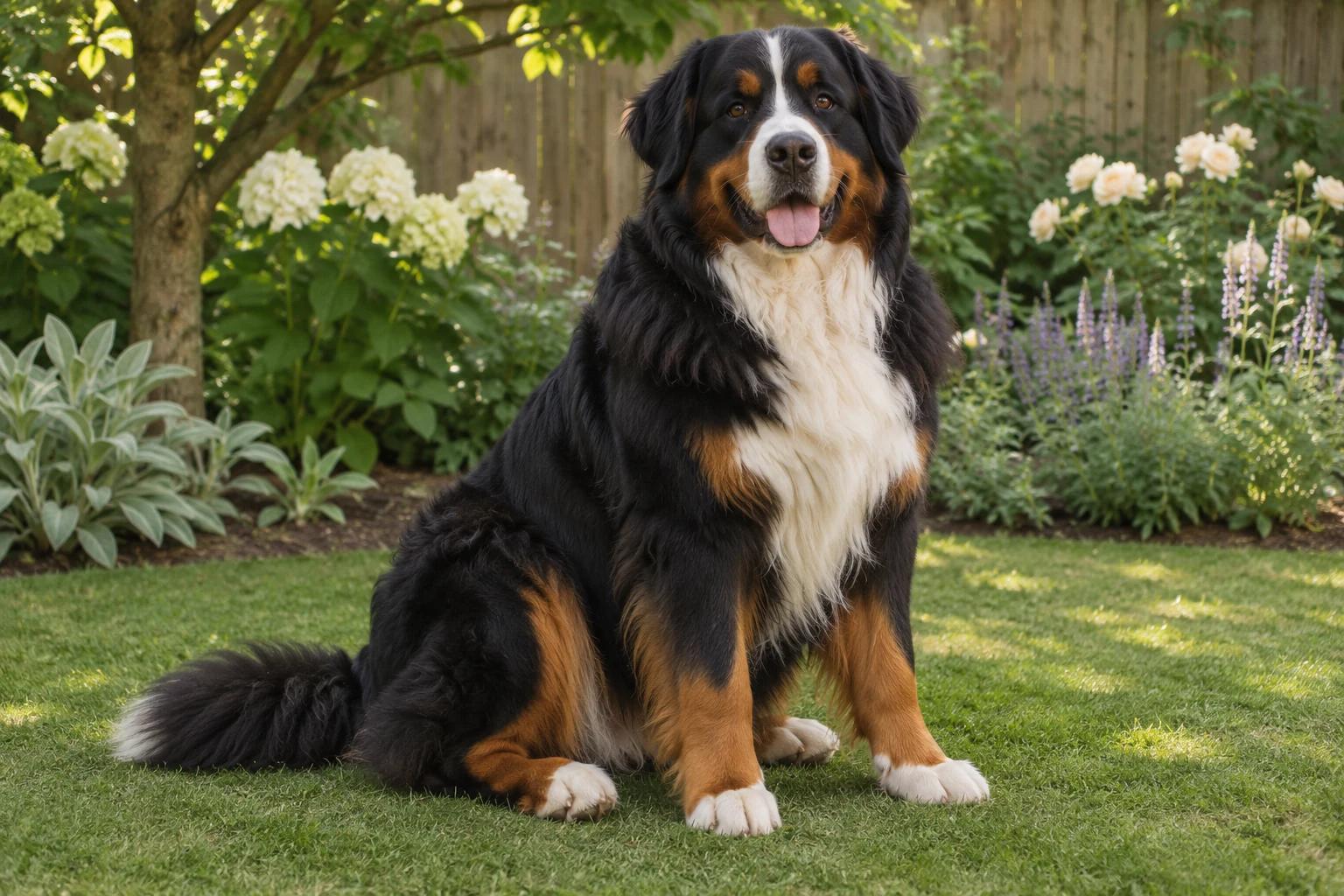
Bernese Mountain Dog training should make ordinary life easier for a dog that will take up considerable space. Walking together, waiting while equipment is fitted and settling away from a busy route are not minor achievements. They are the skills that let a large companion participate comfortably in your day.
The Bernese Mountain Dog profile describes a responsive learner that enjoys company. That is an encouraging starting point, not a substitute for teaching. Build skills around the individual dog's experience, and choose habits you will still welcome when your puppy reaches adult size.
Bernese Mountain Dog training: start with the adult in mind
The AKC breed overview emphasizes the Berner's strength and working background. Our site lists adult males at 80–115 pounds and females at 70–95 pounds. A practical training plan accounts for that physical presence before enthusiastic behavior becomes difficult to manage.
Make a short list of the situations in which size matters: narrow entrances, visitors carrying bags, putting on a lead and moving around people seated at a table. Then identify the action you would prefer in each situation. “Stand here while I clip the lead” is a clearer lesson than “stop being awkward.”
Start teaching those actions in easy circumstances. A quiet practice session is not wasted because it looks unlike the busiest version of the real event. It gives the dog something familiar to perform when you later add difficulty.
Loose-lead walking begins before the pavement
Bernese Mountain Dog leash training is easier to organize when you separate wearing equipment, following your movement and walking in a distracting place. Check the fit of the equipment first, then practise a small amount of coordinated movement where you have room.
Choose a side or walking position that works for your route and teach it consistently. Reward the dog for being in that position with a loose lead. Begin with a short section rather than expecting a complete outing of polished walking.
When you change direction, make it understandable. A cue and a gentle turn in an open area give the dog an opportunity to follow. A sudden tug in a crowded space teaches less clearly and can make the whole outing frustrating.
Plan for the dog that stops
A large dog stopping beside an interesting smell presents a practical problem if the only response you have is pulling. Teach a familiar cue for moving on in an easy setting, then use it before the situation becomes difficult.
On ordinary walks, allow appropriate time for exploration as well as sections of coordinated movement. If every pause becomes a disagreement, review the route and your expectations. You can have a structured walk without asking the dog to ignore everything it encounters.
Teach greetings that leave people room
Decide what you want a greeting to look like. Four feet on the floor, enough space for the person to approach and a clear way to end the interaction are more useful goals than a vague demand to be friendly.
Practise with someone who understands the lesson. Arrange the space so the person does not have to squeeze past the dog while carrying belongings. Reward the behavior you want before adding a more exciting arrival.
Not every visitor needs to interact. Have an alternative place for the dog and teach that arrangement separately. The aim is predictable household movement, not a performance in which the dog must greet everyone who enters.
If a greeting situation is becoming difficult to manage, ask a qualified reward-based trainer for help. Do not use the breed's affectionate reputation as a reason to dismiss what the individual dog is showing you.
Make handling a familiar cooperative task
Coat care and routine examinations are easier when the dog knows where to stand and what the handling means. Practise simple components: approaching the care area, remaining briefly in place and allowing a gentle touch before a reward and release.
The Bernese Mountain Dog Charitable Foundation's training resource includes reward-based approaches and short breaks during learning. Apply that broad idea by separating a handling lesson from the goal of completing all care at once.
For example, you can practise standing on a nonslip surface without brushing. Another session can introduce the brush for a short, easy pass. Combining two familiar pieces is more straightforward than presenting a whole unfamiliar routine and expecting immediate stillness.
If touching an area appears painful, talk with your veterinarian. A sudden handling problem should not automatically become a lesson in obedience.
Help the dog understand household space
A large dog resting in the middle of a doorway can block a route without doing anything dramatic. Give it a useful alternative. Place a comfortable resting area where the dog can be nearby without occupying the busiest passage.
Teach movement to that area with a clear cue and rewards. Begin while you are available to help, not just when you urgently need to answer a call or carry something through. Practise brief stays before asking for longer periods.
The same principle applies to travel preparation. Teach the route to the vehicle or travel space in manageable parts, using the equipment and arrangement you will actually use. Ask for professional guidance if the setup requires physical assistance you are unsure how to provide.
Keep obedience practical and consistent
Bernese Mountain Dog obedience does not need to begin with a competition syllabus. Choose a few useful skills and agree on the words and gestures everyone will use. A dog should not have to solve different instructions from each caregiver for the same task.
If you are researching how to train a Bernese Mountain Dog, look for instruction that lets you ask questions and adjust difficulty. A good class should help translate practice into the situations you encounter, not simply hand you a list of commands.
Use the dog breed quiz to consider how ongoing training fits your preferences before choosing a dog. Our article on reading Berner-Garde records covers a separate preparation step. Useful records and useful everyday skills serve different purposes; neither replaces the other.
FAQ
Are Bernese Mountain Dogs trainable?
Bernese Mountain Dogs are generally responsive learners, but useful behavior still needs teaching and practice. Start with clear tasks, rewards and manageable settings. The individual dog's experience matters more than expecting a breed description to produce automatic manners.
What should I teach a Bernese puppy first?
Prioritize skills that remain useful at adult size: moving with you, standing for equipment, greeting with feet on the floor and resting away from busy routes. Teach each skill in easy circumstances before adding distractions.
How do I improve loose-lead walking?
Practise short sections of walking together in a manageable space and reward the position you want. Teach a clear cue for moving on, allow appropriate exploration and increase difficulty gradually rather than expecting a perfect full-length walk immediately.
Does my Berner need formal obedience competition?
No. Household manners and enjoyable learning are worthwhile goals on their own. A class can help you develop those skills without competing. Choose further activities according to your interests and the individual dog's suitability.
Sources behind this article
Article source checked: November 14, 2026. Source checked 2026-11-14
Keep reading

Affenpinscher Training: Build Useful Everyday Habits
Read article →