Berger Picard training: teaching a thoughtful learner
Plan Berger Picard training with meaningful rewards, varied practice and manageable introductions, without turning every lesson into repetition.
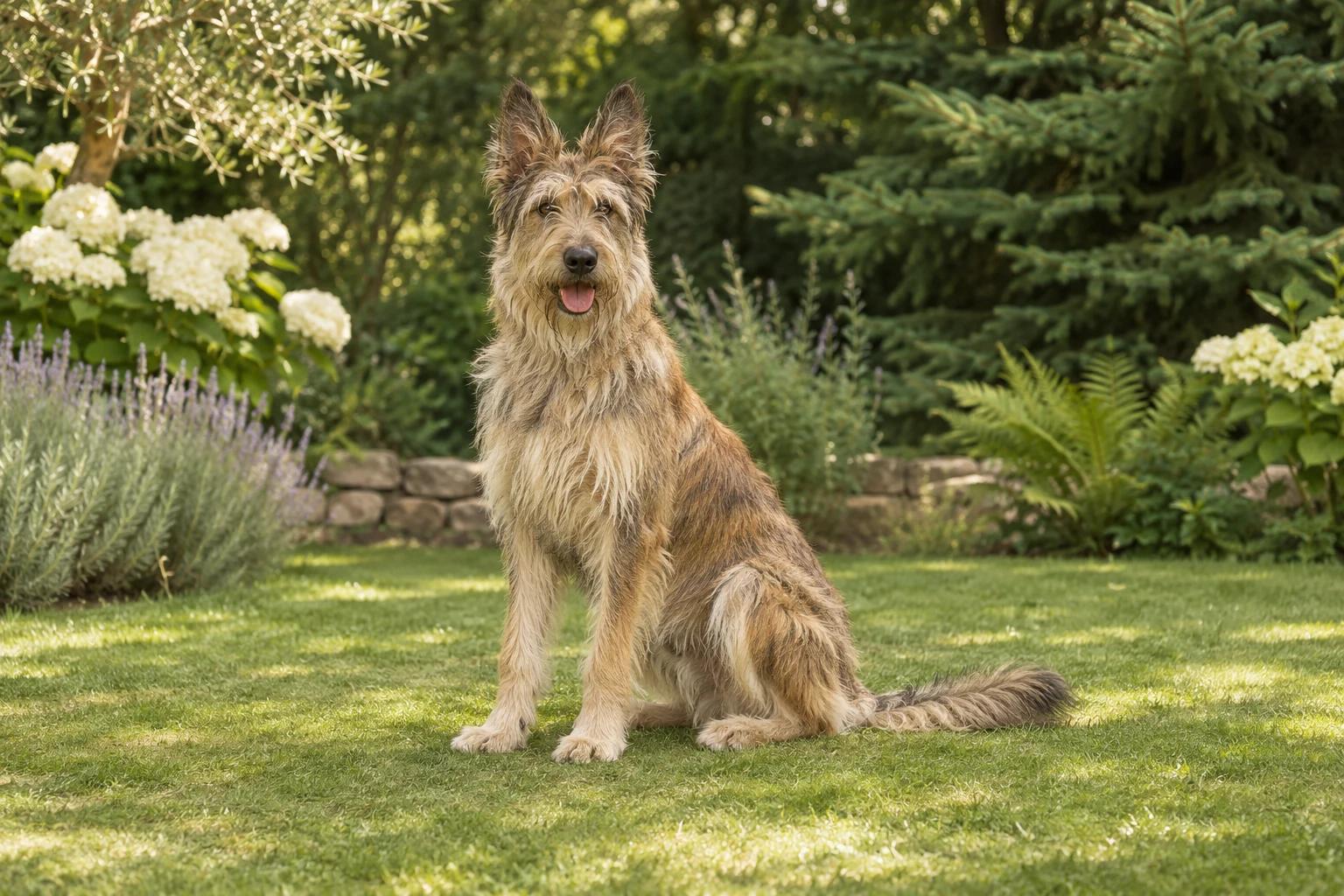
Berger Picard training is a partnership with a dog known for noticing and solving things, not an exercise in repeating commands until something happens. A useful lesson gives the dog a clear task and a reason to participate. That approach makes everyday skills easier to teach and progress easier to recognize.
The Berger Picard profile describes a responsive learner with a meaningful need for activity and mental engagement. Individual dogs vary, so begin with the dog's actual experience rather than expecting the breed label to supply an automatic training plan.
Berger Picard training: make the task worth understanding
The AKC breed overview links the Picard's background with independent problem-solving and emphasizes positive training. The breed club's training guidance recommends reward-based teaching, brief sessions and avoiding endless repetition. Those are useful starting principles, not a script for every dog.
Before a session, decide what you want the dog to learn. A small goal might be touching a target, stepping into a travel space or holding a familiar position while you move one step away. If you cannot describe the result clearly, simplify the lesson before asking the dog to solve it.
Choose a setting where the task is possible. A new skill taught beside an exciting activity has two challenges at once. Start with the skill, then add the environmental challenge when the dog has something familiar to work with.
Turn observation into a training plan
Watch what the dog already does well. Perhaps it approaches when you pick up walking equipment or follows a hand movement readily. Those existing responses can give you a practical starting point rather than beginning every lesson from scratch.
Also notice where confusion appears. Does the dog respond in one room but not another? Follow a gesture but not a spoken word? Complete the first part of a sequence and then wander away? Each observation points to a smaller lesson you can teach.
For example, if the dog understands a hand target indoors, practise the same easy action in a quiet outdoor place before asking for it near passing dogs. You have changed the setting without also changing the task. That makes the result easier to interpret.
Keep a useful stopping point
End with information you can use next time. If the dog completed a simple version comfortably, record that version. You do not need to keep asking until the performance becomes less reliable just to prove the skill was learned.
A short note can include location, task and what helped. Avoid a score such as “stubborn today” when you could write “lost interest after the toy appeared.” The second description gives you something concrete to adjust.
Choose rewards by the response they produce
The club notes that food is not equally motivating for every Picard and that play can also be useful. Observe what matters to your dog in the particular setting instead of assuming one reward should work for every lesson.
A reward can be practical. After a short stretch of coordinated walking, permission to explore an appropriate area may fit the outing. During indoor practice, a familiar toy or food reward may be easier to deliver. Choose something that supports the task rather than making the session harder to organize.
Keep rewards ready before you start. Searching a bag after the action has happened makes communication less clear. If you are practising with another person, agree who gives the cue and who delivers the reward so the dog is not trying to follow competing instructions.
Socialization is more than collecting greetings
Berger Picard socialization should involve manageable experiences of the world, not pressure to meet every person and dog. Think about what your household actually requires: passing people on a path, entering a familiar building or resting while normal activity happens nearby.
Choose a distance and duration at which the dog can participate comfortably. You might observe a setting briefly before approaching farther on another occasion. An experience does not have to become a close interaction to be useful.
Ask a qualified trainer to help if you are uncertain about the dog's responses or how to progress. If behavior changes suddenly or you suspect discomfort, talk with your veterinarian. Do not treat all hesitation as a personality trait that must be pushed through.
Build obedience around real transitions
Berger Picard obedience becomes practical when it helps the dog move between activities. Consider the transition from exploring to walking with you, from play to putting equipment away or from entering a room to resting in an appropriate spot.
Teach the pieces separately before expecting a smooth sequence. If the dog can move to a mat but cannot remain there while you gather belongings, the next lesson is the brief pause, not the whole departure routine repeated more forcefully.
Make success visible. Reward the part you wanted, then indicate when the exercise is finished. A clear ending helps distinguish a completed task from a cue that still applies. Everyone handling the dog should understand the same distinction.
Add variety without making lessons random
If you are asking how to train a Berger Picard, variety is useful when it has a purpose. Practising a known skill in another suitable room is different from changing the cue, reward and task all at once.
Rotate among a few familiar skills and one small new challenge. That keeps your plan organized while allowing different kinds of engagement. You can explore a class or dog sport later without neglecting the practical lessons needed now.
The dog breed quiz helps prospective owners decide how much ongoing teaching they want in daily life. For the breed's screen history rather than its training routine, read why several Picards played Winn-Dixie. A real dog learns through your shared experiences, not by inheriting the polished performance of a film character.
FAQ
Are Berger Picards trainable?
Yes. The breed is known for responsive learning and independent problem-solving. Training still requires clear tasks, worthwhile rewards and practice. Work with the individual dog's experience rather than expecting immediate responses from a breed description.
Why does my Picard stop engaging during repetition?
The task, reward or setting may no longer be working for that session. The breed club recommends brief, varied practice rather than endless repetition. Review what changed and make the next lesson manageable instead of simply repeating the cue.
What does Berger Picard socialization involve?
It involves suitable, manageable experiences with the situations the dog will encounter. That can include observing people, environments and activity without close greetings. Adjust distance and pace to the individual dog and seek qualified help when needed.
Should I use the same reward for every lesson?
Not necessarily. Notice what motivates your dog in each setting and choose rewards you can deliver clearly. Food, appropriate play or access to a permitted activity may serve different lessons, depending on the individual.
Sources behind this article
Article source checked: November 14, 2026. Source checked 2026-11-14
Keep reading

Affenpinscher Training: Build Useful Everyday Habits
Read article →