Beauceron Training: Build Useful Skills Before Complexity
Make Beauceron training practical with clear skill goals, reward-based learning, manageable practice, and a plan for everyday handling.
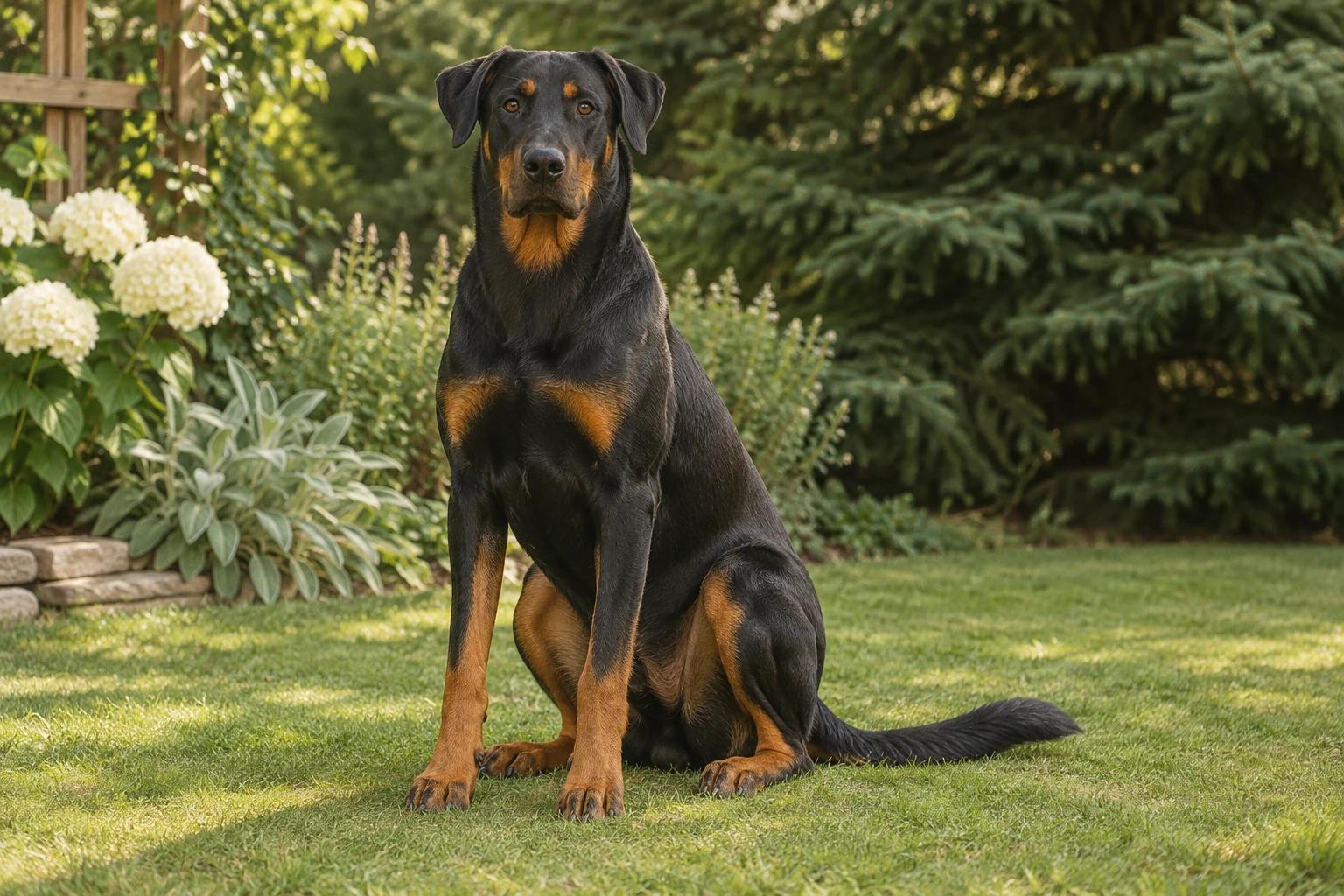
Beauceron training should make ordinary life easier before it makes a video look impressive. With a large, active dog, being able to move together, pause when needed, and participate in routine care has immediate value. Advanced work can come later if it suits both of you.
The Beauceron profile lists an adult weight of 66–99 pounds and substantial activity needs. Those facts make early planning worthwhile, but they do not mean you need to overpower the dog or rush through lessons.
Beauceron training begins with a useful definition of success
Replace “I want an obedient dog” with a few observable goals. Perhaps you want the dog to walk with you from the car to class, stand comfortably while equipment is fitted, or remain in a chosen resting area while you put groceries away.
These are examples to discuss with your instructor, not claims that every Beauceron has the same difficulties. The advantage is that you can see what you are teaching. “Be good” has no clear finish line; “stand while I clip the lead” does.
VCA’s Beauceron profile supports reward-based learning and meaningful challenges. Use that foundation without assuming intelligence means instant understanding. A capable learner still needs a task explained in achievable steps.
Write down what the finished skill would look like, where it is needed, and what the dog can already do. That short description gives an instructor a much better starting point than a general complaint that the dog does not listen.
How to train a Beauceron around real handling tasks
Think about the moments when you will be close to a large dog and need cooperation. Choosing a resting place, putting on walking equipment, moving through the house together, and attending appointments are sensible subjects for a training plan.
For each task, identify the smallest useful piece. Fitting equipment may involve approaching you, pausing, and accepting the equipment before anything is fastened. Ask your instructor how to teach those parts rather than trying to complete the whole sequence while the dog is moving away.
Use the same setup when you begin practicing so that you can tell whether the skill is improving. If you change the equipment, location, handler, and expectation at once, a difficult attempt tells you very little about which part needs work.
Keep the eventual everyday purpose in view. A dog who can perform a position for a photograph has not necessarily learned to maintain it through the task you actually need. The practical goal is cooperation in context, not just a familiar cue.
Make your training notes specific
After a session, record one observation and one next step. For example: “stood while the lead was presented; next time practice the clip with instructor guidance.” This is an organizational example, not a prescribed technique.
Avoid labels such as stubborn or dominant in the notes. They do not tell you what happened. “Turned away when I reached for the collar” identifies a moment you can discuss and work on.
Beauceron obedience is not a contest of strength
A powerful appearance can tempt people to treat every hesitation as a challenge. That framing is not useful for teaching. Ask whether the dog understands the cue in that setting, whether the task has become too difficult, and whether you need help breaking it down.
The American Beauceron Club’s breed-traits discussion describes independence and physically demonstrative behavior. Read those as reasons to teach thoughtfully, not as permission to turn learning into confrontation.
Choose an instructor who can explain what you should do, what the dog is learning, and how progress will be assessed. Ask how they respond when an exercise is not working. You should understand the plan rather than being told that the breed simply requires a stronger personality.
If behavior makes handling difficult or concerning, seek individual professional help instead of experimenting with increasingly forceful methods. If discomfort or a sudden behavioral change might be involved, talk with your veterinarian.
Keep one clear project alongside ordinary maintenance
A Beauceron may have opportunities to participate in training or a suitable dog sport, but your calendar does not need several ambitious projects at once. Pick a main learning goal and keep the everyday skills in practice around it.
For example, the main project might be a beginner class, while ordinary practice focuses on calm equipment fitting and moving between familiar places. That makes it easier to tell whether you have time for both the formal activity and the life that surrounds it.
Ask about prerequisites before enrolling in a specialized class. Find out what the dog needs to know, how the class is organized, and what practice is expected at home. Do not assume a breed’s working history is a substitute for preparation.
Physical activities should suit the individual dog. Talk with your veterinarian about appropriate demands and work with a qualified instructor rather than copying advanced exercises from a short clip.
Beauceron training tips for a household, not just one handler
Training becomes confusing when different people expect different things from the same word. Agree on a small shared vocabulary and demonstrate the intended skill to everyone involved.
Choose who will attend lessons and how the information will be passed on. A brief written note after class is more reliable than several people remembering different versions of a conversation. Include what is being practiced now and what is not ready for a harder setting yet.
Keep responsibilities realistic. If only one person can manage the current setup, discuss how to develop a workable arrangement rather than assuming everyone else will simply gain confidence. A practical training plan accounts for the people as well as the dog.
Use the dog breed quiz to consider how much ongoing training fits your life. For a separate routine-care detail, read the Beauceron’s double rear dewclaw article. Cooperation during care is useful, but the care itself should be guided by the appropriate professional.
FAQ
Are Beaucerons easy to train?
Beaucerons can be capable learners, but training still requires clear goals, suitable motivation, and consistent practice. Start with useful everyday skills rather than assuming the breed’s intelligence makes instruction unnecessary. Individual experience and temperament affect the plan.
What should I teach a Beauceron first?
Prioritize skills that support ordinary handling, such as moving with you, pausing for equipment, and using a resting area. Choose specific goals with an instructor and teach manageable parts before expecting a complete sequence in a busy setting.
Does a Beauceron need a firm handler?
A Beauceron needs understandable instruction and consistent expectations, not a contest of strength. Select a trainer who explains reward-based learning and can adjust an exercise when the dog struggles. Seek individual help for difficult handling or behavior concerns.
Can Beauceron training include dog sports?
A suitable sport may be part of the plan, but begin with appropriate foundations and instruction. Ask about class prerequisites and home practice. Talk with your veterinarian about physical demands rather than assuming every activity suits every Beauceron.
Sources behind this article
- VCA Animal Hospitals: Beauceron ↗
- American Beauceron Club: Breed Traits ↗
- Swiss Beauceron Club adult average reference — adult-weight reference ↗
- Dogzone adult reference — adult-weight reference ↗
Article source checked: November 14, 2026. Source checked 2026-11-14Article source checked: November 18, 2026. Source checked 2026-11-18
Keep reading

Affenpinscher Training: Build Useful Everyday Habits
Read article →