Azawakh Training: Attention, Recall, and Everyday Skills
Build an Azawakh training plan with clear goals, reward-based practice, sensible recall expectations, and skills that help in everyday life.
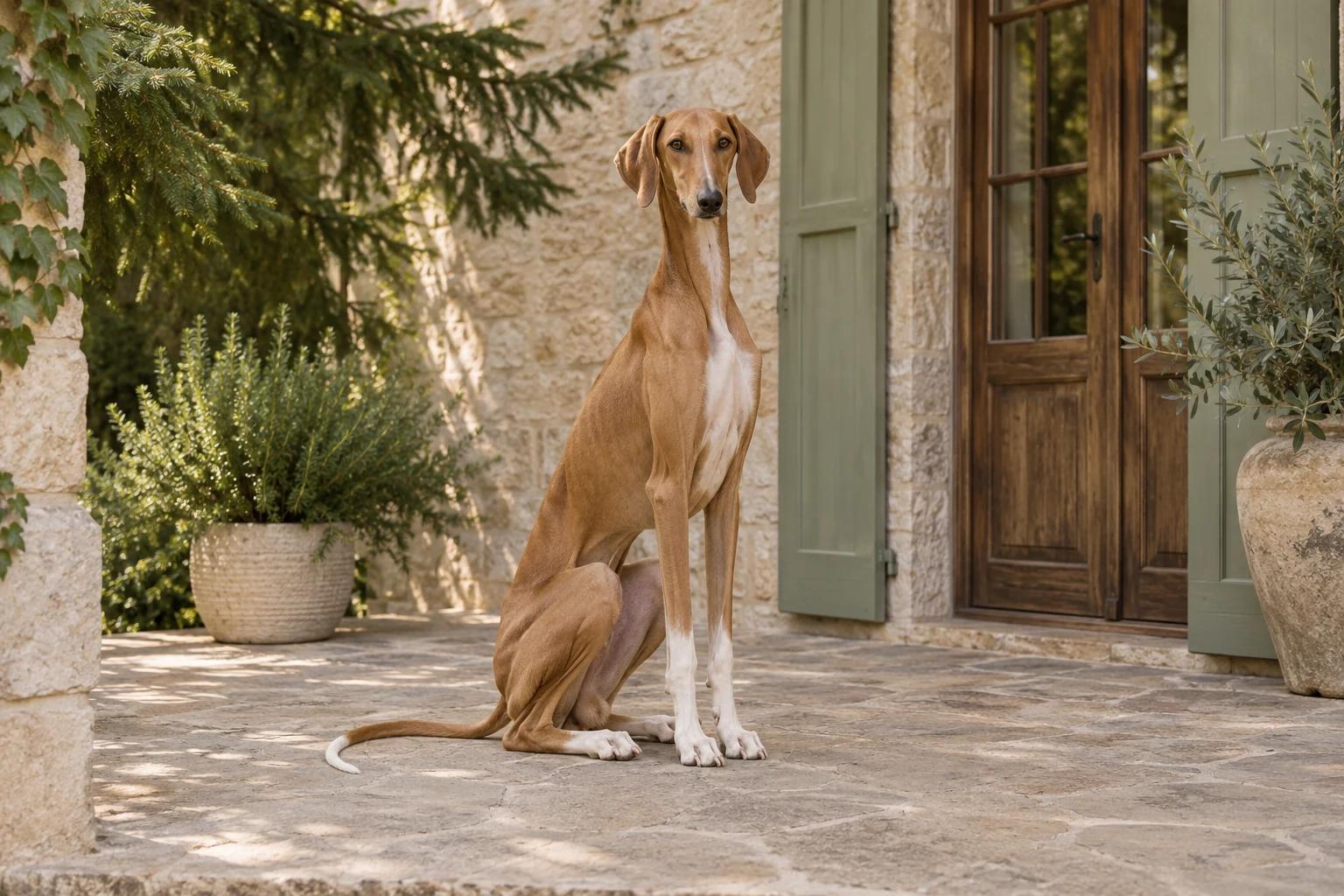
Azawakh training works best when you stop treating independence as a challenge to win and start asking what the dog needs to understand. You are building shared habits with an individual, not trying to make a sighthound behave like another breed. Clear tasks, a suitable setting, and rewards the dog values give you something useful to work with.
Begin with the moments that matter in your home: coming toward you, moving with you, accepting familiar equipment, and resting while other things happen. Those skills can be developed without turning every interaction into a formal drill.
Azawakh training: choose useful goals first
The AKC identifies the Azawakh as a West African sighthound. Our Azawakh profile describes a relatively independent approach to learning and recommends clear, brief, reward-based sessions. That combination suggests practical preparation rather than repeated commands delivered with increasing urgency.
Write down three situations you would like to make easier. Perhaps your dog needs help moving from the garden into the house, waiting while you prepare for a walk, or settling in a familiar room. Describe the behavior you want to see, not the personality you wish the dog had.
“Come within reach when called in the hallway” is a useful goal. “Be more obedient” is too broad to tell you what to practice tomorrow. A small, observable goal also makes progress easier to notice.
Choose the setting before choosing the challenge
A quiet room and a busy outdoor space are different learning environments. If you introduce a task in the busiest place available, you may learn only that the situation was too difficult.
Look at what can compete for attention: movement beyond a window, a new person, another animal, or an unfamiliar surface. Reduce what you can control. Then keep the first version of the task simple enough that both of you can understand what happened.
Azawakh recall training without shortcuts
The UC Davis recall guide emphasizes positive reinforcement, gradual increases in difficulty, and the fact that recall is never guaranteed. Begin close by in a low-distraction setting, reward returning, and keep outdoor management in place. Do not punish a dog for coming back, even after a slow response.
For your own practice record, separate distance from distraction. If yesterday's success happened across a quiet room, today's next step does not need to be across a large outdoor area. Change one part of the exercise, observe the result, and make the next choice from that information.
Azawakh recall training is still worthwhile even when you intend to keep using a leash and secure enclosures. A useful response to your cue can help with ordinary transitions. It does not need to become a promise that the dog can be released anywhere.
Plan what happens after the return
Think through the whole sequence before you start: where you will stand, what reward is ready, and what you will ask next. If you improvise every ending, the exercise can become less clear than you intended.
Notice whether the dog returns comfortably and remains nearby, or approaches and immediately moves away. Those are different observations. A reward-based trainer can help you break the sequence into smaller parts instead of trying to solve everything with more repetitions.
Teach cooperation with everyday equipment
An outing begins before you reach the street. Make a list of the steps involved: bringing out equipment, approaching the dog, fitting it, opening a door, and moving into a new space. If one step is awkward, practice that part separately at a quiet time.
For example, you might begin by rewarding comfortable interest in familiar equipment without immediately going anywhere. Keep the dog able to move away, and avoid turning the session into a chase around the room. Ask a trainer for help if handling is consistently difficult.
Equipment must also fit the individual dog. Training does not correct a poorly adjusted item. Follow the manufacturer's instructions, check the fit, and ask a professional if you are uncertain about the arrangement.
How to train an Azawakh around new people
Do not make a visitor responsible for persuading the dog to interact. Instead, prepare a comfortable area and decide how you will manage the arrival. The first goal may simply be for the dog to observe from a manageable distance.
You can practice the household part without a guest: moving to a resting place, following you into another room, or remaining comfortable while a door opens. Later, the visitor adds one element to a familiar arrangement rather than changing everything at once.
If the dog is worried, reduce the pressure. Progress does not require accepting touch from every person. For behavior that concerns you, seek individualized help from a qualified reward-based professional; for sudden changes or possible discomfort, talk with your veterinarian.
Make sighthound training measurable without making it rigid
Keep brief notes on three things: the setting, the task, and the response. You might write, “Quiet room, one return from nearby, came readily,” or “Garden with movement outside, struggled to disengage.” This is more helpful than a daily verdict of good or stubborn.
Use the notes to identify patterns. Perhaps the task is clear indoors but not outside. Perhaps a session begins well and becomes less useful when repeated too often. Those observations help you adjust the plan without assigning motives you cannot verify.
It is also reasonable to change your own goal. A behavior you imagined would be essential may turn out to be less useful than another skill. The point is a workable relationship, not completing a checklist borrowed from someone else's dog.
Our article on Azawakh movement and the breed standard concerns a separate conformation topic, not a training prescription. If you are still deciding whether this breed suits you, the dog breed quiz can help you compare your preferences before you make a training commitment.
FAQ
Can an Azawakh learn recall?
Recall is a useful skill to practice with an Azawakh through reward-based, gradually developed exercises. It should not be treated as a guarantee of off-leash control. Keep appropriate management in place and work with a trainer on the individual dog's challenges.
What should I teach an Azawakh first?
Start with skills that make daily care easier, such as approaching you, moving with you, and cooperating with familiar equipment. Choose a quiet setting and a small, observable goal. Build from what the dog understands rather than beginning with a demanding public situation.
Does an independent dog need harsher training?
No. Independence is not a reason to escalate pressure or punishment. Make the task clearer, use rewards the dog values, and adjust the setting or difficulty. A qualified reward-based trainer can help when progress stalls or a particular situation becomes difficult.
Sources behind this article
Article source checked: November 14, 2026. Source checked 2026-11-14
Keep reading

Affenpinscher Training: Build Useful Everyday Habits
Read article →