Australian Kelpie Training: Teach Precision, Then Add Distance
Build Australian Kelpie training through clear targets, feedback, transitions, and sensible steps toward dog sports.
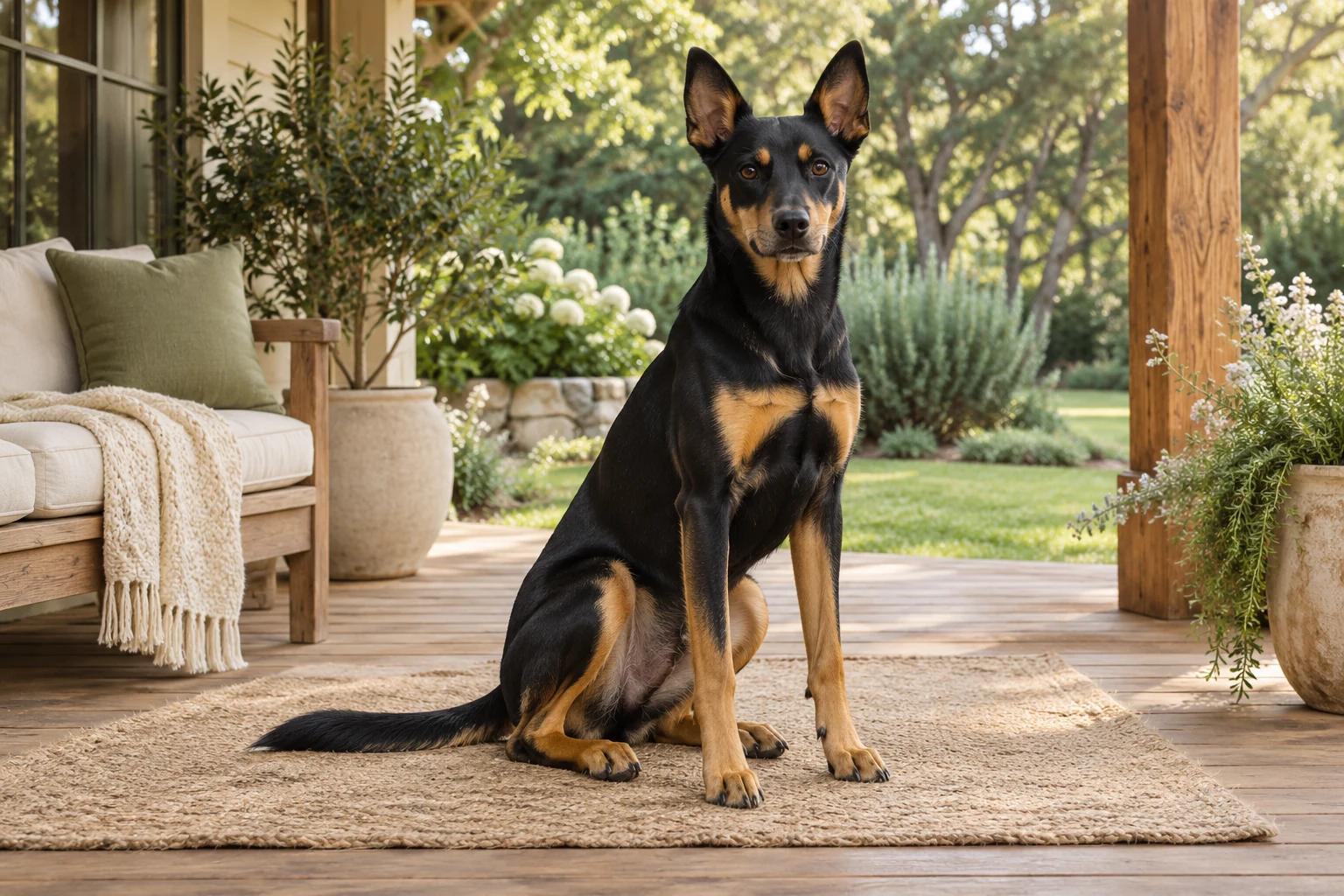
Australian Kelpie training can be deeply enjoyable when you like noticing small improvements. A dog moving to a target, waiting for a signal, or choosing to return to you gives a lesson a visible shape. Those modest skills can support everyday cooperation as well as a shared hobby.
The Australian Kelpie profile describes a breed with substantial activity and learning interests. Start by making each task understandable. Enthusiasm and intelligence are useful starting points, but neither replaces teaching or tells the dog what a new cue means.
Australian Kelpie training: separate the skill from the spectacle
The AKC's Kelpie introduction emphasizes an active, alert worker. It is easy to watch advanced performances and want to begin with speed or distance. A more useful first question is whether the dog understands the small action underneath the performance.
Suppose the eventual goal is going to a designated place across a training area. The early lesson might simply be approaching a nearby target. Moving farther away, remaining there, and responding around distractions are additional tasks, not features to demand on the first attempt.
Choose one change at a time. This makes progress easier to interpret. If a task becomes difficult after you move farther away, you know what changed instead of guessing among several new demands.
How to train an Australian Kelpie with clear feedback
When learning how to train an Australian Kelpie, pay attention to what immediately follows the behavior. VCA explains that rewards can encourage wanted actions to recur. The practical question is whether your feedback makes the intended action clear.
For a simple target exercise, decide what counts before you begin. Are you rewarding looking toward it, moving toward it, or touching it? Early steps can be small, but your current expectation should be clear to you.
Deliver the reward in a way that suits the task. If positioning is confusing, ask an instructor to watch your hands and timing. The dog may be responding accurately to what you show while you think you are asking for something different.
Film the handler, not just the dog
A short practice recording can reveal a hand moving before the verbal signal, an unclear release, or a body position that changes between repetitions. Review one issue rather than treating the video as a verdict on the entire session.
Keep the exercise simple enough to repeat thoughtfully. A polished social-media clip is not the goal. You want information that helps the next lesson become clearer and more pleasant for both of you.
Kelpie obedience training should include stopping and starting
Kelpie obedience training is not only about doing more. A clear beginning, a pause, and an understandable finish are useful skills in their own right. Think about where these moments occur in the activity you enjoy.
In a training class, the dog may work briefly and then wait while someone else takes a turn. At home, you may put the target away and return to an ordinary household activity. Practice those transitions as part of the routine rather than leaving them unexplained.
Do not use a pause as a challenge to see how long the dog can cope immediately. Start with a manageable version and get coaching if waiting consistently becomes difficult. The useful achievement is a dog who understands the situation, not a handler who has held out the longest.
Build distance only after understanding
Distance can change a familiar exercise substantially. You may become harder to read, the reward may arrive differently, and interesting things may lie between you and the dog. Increase the challenge in a controlled setting.
For example, practice a known response with a small change in your position before attempting it across the entire area. If the response becomes uncertain, return to an easier version. This is information about the current skill, not a reason to label the dog stubborn.
Keep real-life containment separate from your hopes for training. Use secure spaces and appropriate equipment while skills are developing. A promising practice session does not establish that the dog will respond identically beside traffic or unfamiliar animals.
Choose Kelpie dog sports by the experience you want
Kelpie dog sports can give training a direction, but the most useful choice is one you will both enjoy practicing. Ask local instructors about foundation classes and observe how dogs spend their time between turns, not only during the exciting part.
Compare the demands on the handler too. Do you enjoy precise positioning, searching tasks, or following a course? Can you attend regularly? Is the venue suitable for the dog's current comfort around other dogs? These details influence whether a hobby becomes sustainable.
For physical disciplines, discuss suitability with your veterinarian and the instructor before beginning. If you are interested in stock work, seek qualified specialist instruction rather than experimenting with animals yourself. A breed background does not authorize improvising a livestock lesson.
Avoid creating a permanent audition
A Kelpie does not need to demonstrate a skill every time you interact. Keep space for ordinary companionship and exploration. Otherwise, you may find yourself turning every outing into an assessment and missing what the dog enjoys about being there.
Choose a small training objective for the week, such as responding to one familiar cue in a second quiet setting. Record the setting and what happened. That modest detail is more useful than adding a long list of new commands before the first ones are dependable.
If a skill stalls, ask whether the problem is the cue, the environment, or your expectation. A trainer can help separate those possibilities. Repeating the same unsuccessful setup is not automatically productive persistence.
Keep the wider ownership picture in view
Training is one part of life with this breed. It should fit alongside appropriate activity, care, rest, and company. Use the dog match quiz to organize those preferences before deciding that enthusiasm for a sport settles the whole choice.
The site's Kelpie ancestry research article covers a different question about the breed. Neither an ancestry story nor an intelligence label tells you exactly how an individual will learn. Let observed responses guide your teaching.
FAQ
Are Australian Kelpies easy to train?
Kelpies are associated with alertness and learning interest, but easy training is not guaranteed. Clear tasks, appropriate rewards, and manageable practice matter. Assess the individual dog's experience and the particular skill rather than relying on a breed ranking.
What should I teach a Kelpie first?
Start with useful cooperation in simple settings, such as responding to a familiar attention cue and understanding a clear activity finish. Choose skills that support your actual routine. An instructor can help prioritize lessons for the individual dog.
Should Kelpie training always involve speed?
No. Precision, pauses, and understanding are valuable before speed or distance. A slow, clear response can be a better foundation than a fast but confused one. Add difficulty in manageable steps and keep practice enjoyable.
Does a Kelpie have to work livestock?
A companion Kelpie can have other suitable learning and activity outlets. If you want to explore livestock work, use qualified specialist instruction. Do not assume instinct alone makes an untrained dog ready to work around stock.
Sources behind this article
Article source checked: November 14, 2026. Source checked 2026-11-14
Keep reading

Affenpinscher Training: Build Useful Everyday Habits
Read article →