Australian Cattle Dog herding: instinct is the beginning
Distinguish a herding instinct evaluation from a trained trial performance, including fetching, driving and the importance of supervised livestock work.
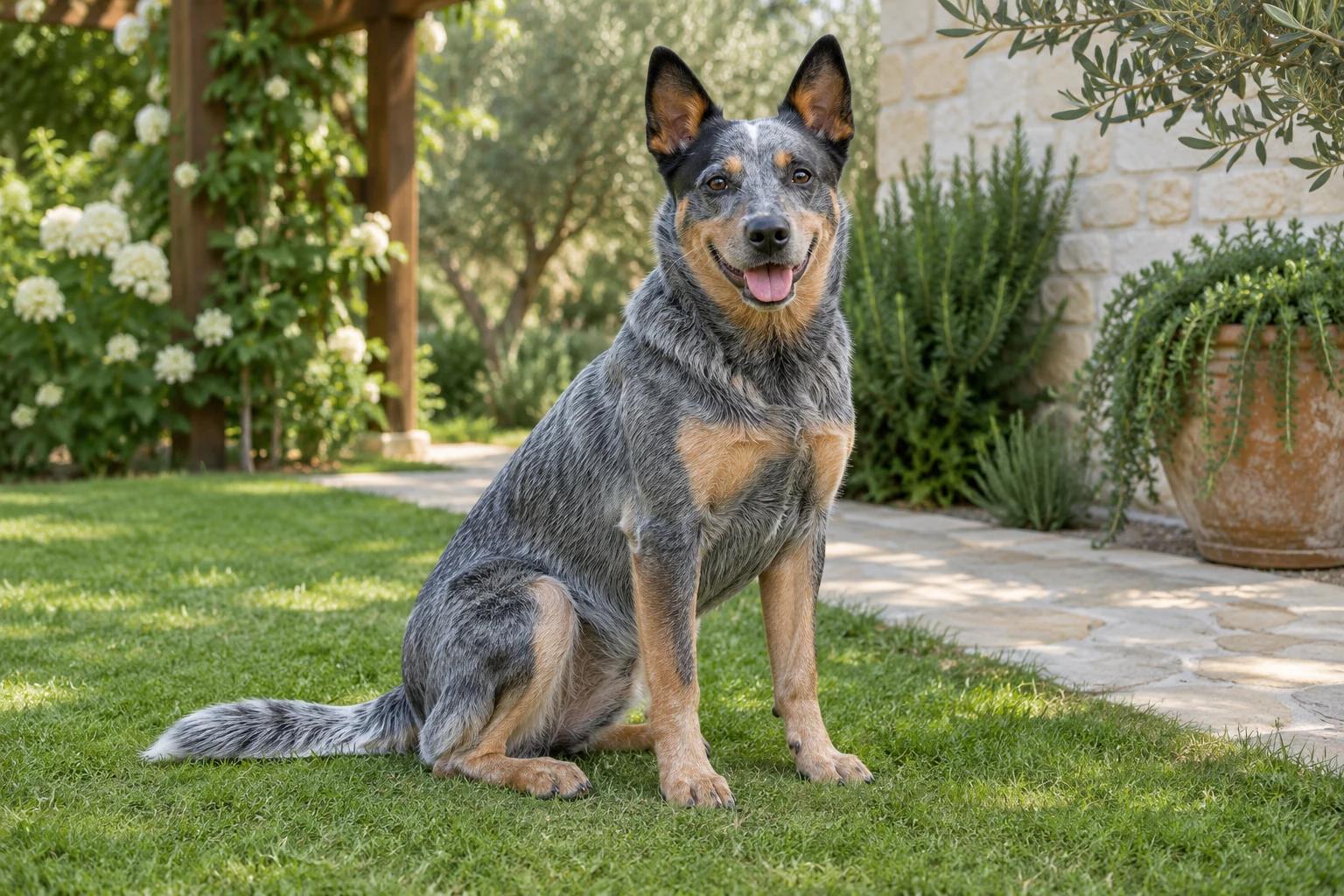
Interest and accomplished work are different observations
An Australian Cattle Dog noticing movement is not the same thing as a trained dog moving livestock through a course. The breed's working background makes herding an understandable area of interest, but a breed name does not tell you what an individual can already do. The Australian Cattle Dog Club of America distinguishes basic herding assessments from competitive trials.
AKC describes an instinct evaluation as looking for the dog's ability to move and control livestock through fetching or driving. In plain language, fetching brings stock toward the handler, while driving moves stock in another direction rather than bringing it to the handler. These describe the relationship among dog, stock and person, not simply the speed or intensity of a chase.
A trial adds trained control and a defined task
Competitive trials demonstrate developed herding skills in standardized situations. The distinction is useful when watching a video: an impressive course run reflects more than an initial interest in animals. Dog and handler have to work together around a task, with the livestock's movement affecting what happens next. A short instinct assessment answers a narrower question.
Neither result should be translated into a promise about everyday behavior at home. A dog circling children, following bicycles or nipping at movement has not thereby demonstrated readiness to work stock. Those household situations need appropriate management and training in their own setting, rather than being treated as a substitute herding lesson.
The livestock are participants, not practice equipment
Explore the activity through an experienced herding instructor or club with suitable facilities. Explain your experience and the dog's before arranging an introduction, and follow the facility's instructions about access and handling. Do not release a dog among somebody else's animals to see whether instinct appears. Permission to visit a farm is not permission to use its livestock for training.
As a spectator, watch for controlled movement and how the handler responds when the group changes direction, rather than judging only enthusiasm. Learn the current event's requirements before considering entry; a general introduction cannot establish eligibility or readiness. The most useful starting ambition is to understand the work and protect every animal involved. Titles and competitive goals can wait until you have that foundation.
Sources behind this article
- ACDCA: AKC Herding Titles ↗
- AKC: Getting Started in Herding ↗
- AKC: Tips for Teaching Driving, terminology only ↗
Article source checked: October 20, 2026. Source checked 2026-10-20
Keep reading
Australian Cattle Dog Training: Give Attention a Direction
Read article →