Anatolian Shepherd Training: Practical Cooperation
Plan Anatolian Shepherd training around practical cooperation, thoughtful socialization, handling, and clear boundaries.
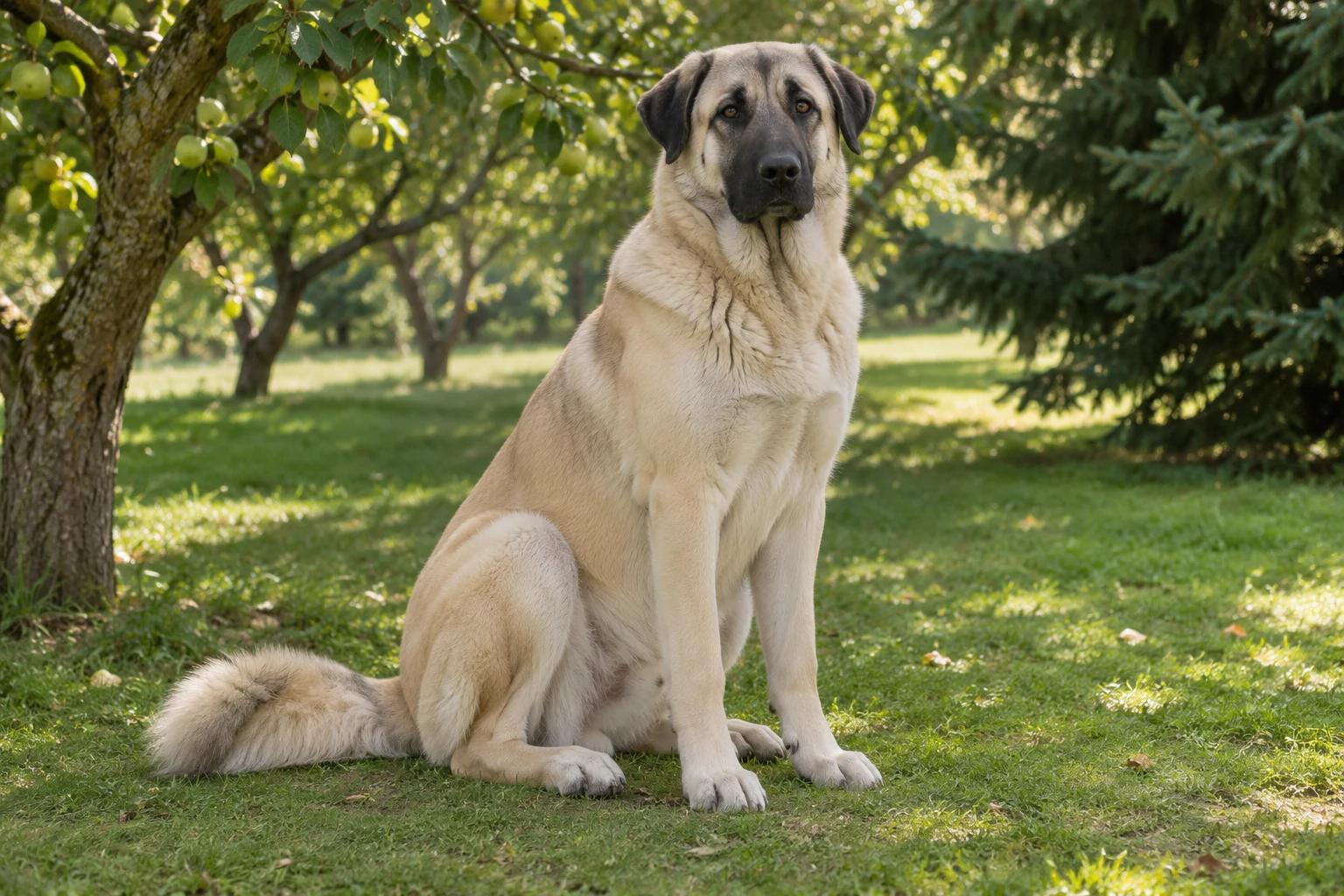
Anatolian Shepherd training should make daily cooperation clear without expecting this independent dog to behave like a constant performer. Useful goals include moving with you when needed, accepting familiar handling, and understanding routines around people and boundaries. The work is practical, and progress is best judged in the situations where you need it.
Our Anatolian Shepherd Dog profile describes an independent style of companionship and short practice for everyday manners. That is a different starting point from assuming the dog wants prolonged repetitions simply because you enjoy teaching them.
Anatolian Shepherd training starts with realistic expectations
The Anatolian Shepherd Dog Club of America's education page explains that independence can affect response to cues and emphasizes early introductions to varied experiences. The AKC standard places the breed in a livestock-guarding context. Together, these explain why cooperation and preparation deserve attention.
Independence is not a reason to stop teaching. It is a reason to make the purpose of a task clear and to avoid confusing repetition with useful practice. Choose an outcome that improves everyday life, then work on the smallest version the dog can understand.
For example, moving to a familiar area before a delivery arrives is a concrete task. Expecting the dog to understand the intentions of every unfamiliar person is not. Build the arrangement you can teach and manage rather than asking the dog to solve an ambiguous human situation.
How to train an Anatolian Shepherd around changing routines
When considering how to train an Anatolian Shepherd, begin with the events that happen regularly on your property or in your home. Deliveries, maintenance visits, vehicle movements, and changes in who handles the dog are worth planning before they occur unexpectedly.
Map the event from the dog's perspective. Where is the dog when it begins? What cue or routine is already familiar? Where can it wait comfortably while the task is completed? A clear sequence gives you something specific to practice.
Rehearse a quiet version before adding the real event. A household member walking toward a designated area is different from an unfamiliar contractor arriving with noisy equipment. Do not combine every difficult element in the first attempt.
Keep visitor management separate from a greeting
A visitor does not have to interact with the dog for the visit to go well. Sometimes the useful plan is simply comfortable separation while work is done. Decide this in advance instead of making an introduction happen because someone asks to meet the dog.
Tell visitors what the arrangement is in plain language. Consistency matters more than a complicated explanation of breed temperament. If the dog is struggling with visitors or handling, get professional help with that situation rather than testing it repeatedly.
Anatolian Shepherd socialization is not forced friendliness
Anatolian Shepherd socialization should introduce experiences thoughtfully. The goal is not to require enthusiastic contact with every person or animal. Observe whether the dog can remain comfortable and learn in the setting you have chosen.
Choose experiences relevant to real life. That may include travel, veterinary waiting arrangements, unfamiliar surfaces, or seeing ordinary activity at a manageable distance. Ask a qualified trainer how to adapt introductions to the dog's age and experience.
Avoid treating a busy place as automatically better exposure. More activity can make it harder to notice the dog's response or adjust the situation. A quieter introduction with room to move away may give you much more useful information.
Record what was actually comfortable
A note such as “watched the vehicle from across the yard and could respond to a familiar cue” is useful. “Socialized to vehicles” is much broader and may hide the limits of that experience.
Use specific observations when choosing the next step. Changing distance, movement, sound, and location together makes it difficult to know what the dog understands. Keep the progression clear enough that another caregiver can follow it.
Anatolian Shepherd obedience should support handling
Anatolian Shepherd obedience includes the ordinary tasks needed to care for a large dog. Think about standing for fitted equipment, moving through a familiar passage, or settling in a designated area. These accomplishments can be more valuable than a long list of showy tricks.
Introduce unfamiliar handling in manageable pieces with suitable guidance. Explain to your trainer or groomer which tasks matter in your home and ask for a demonstration you can reproduce. Do not wait until a time-sensitive appointment to discover that a routine is entirely new.
Keep physical care concerns separate from training labels. If a previously comfortable task becomes difficult or the dog appears uncomfortable, talk with your veterinarian. Assuming every refusal is disobedience can send you toward the wrong solution.
Boundaries require arrangements as well as lessons
A learned cue is not a substitute for suitable physical boundaries. Consider how doors, gates, and access areas are used by everyone who visits or works at the property. A system that depends on one person remembering an unwritten rule is fragile.
Make the instructions visible to the people who need them. Clarify which area the dog should be in before a gate opens and who checks that it is secured afterward. These are human responsibilities, not tests of whether the dog has learned enough.
For livestock-related training, seek a mentor experienced with the working role. Household manners and stock introductions overlap in the need for clarity, but they are not the same lesson. A general article cannot assess a particular dog and livestock arrangement.
Keep lessons short and purposeful
The site's profile favors brief practice. End with a useful, understandable repetition rather than continuing only to reach a planned session length. The dog does not need to perform the same action endlessly for the learning to matter.
Use the dog match quiz to consider whether this independent style fits your expectations. Our registry comparison article addresses naming separately; training decisions should center on the individual dog's experience and the routines it needs now.
FAQ
Are Anatolian Shepherds impossible to train?
No. Their independent style calls for clear, purposeful teaching rather than assuming constant eagerness to repeat tasks. Focus on useful everyday cooperation, brief practice, and manageable introductions. Seek professional help for situations that remain difficult.
Should an Anatolian Shepherd greet every visitor?
No. A comfortable separation arrangement may be more appropriate than a greeting. Plan visitor access in advance and teach the relevant routine in easier conditions. Forced interaction is not a necessary measure of successful socialization.
What does Anatolian Shepherd socialization involve?
It involves thoughtful introductions to relevant people, places, sounds, and routines at a level the dog can manage. The goal is not enthusiastic contact with everything. Observe comfort and adjust the setting rather than simply increasing exposure.
Can obedience replace secure boundaries?
No. Learned responses and suitable physical boundaries serve different purposes. Everyone using doors, gates, and access areas should understand the plan. Management should not depend on a dog responding perfectly when a boundary is opened.
Sources behind this article
Article source checked: November 14, 2026. Source checked 2026-11-14
Keep reading

Affenpinscher Training: Build Useful Everyday Habits
Read article →