Vizsla and Wirehaired Vizsla: more than a beard
See how the Vizsla and Wirehaired Vizsla differ in coat, undercoat and build, without mistaking appearance for proof of identity or cold tolerance.
Two breed names behind a similar color
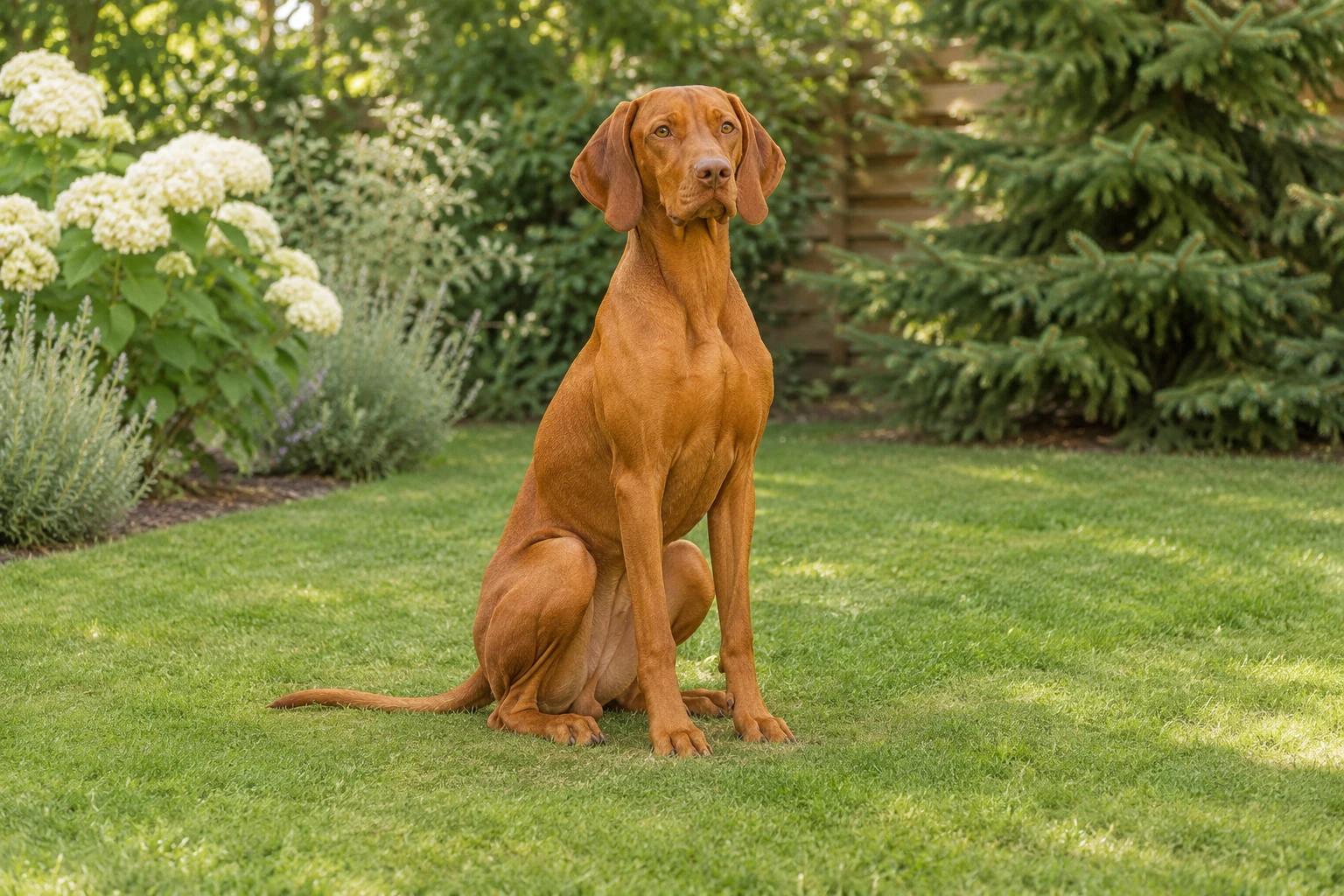
A rust-colored dog with a beard may bring a familiar Vizsla to mind, but Wirehaired Vizsla is a separate AKC breed. The resemblance is useful context, not a reason to treat the names as interchangeable. Each has its own standard describing the intended physical form. Start with that distinction before comparing photographs or listings.
In an adoption description, appearance can suggest questions without proving ancestry. A short coat does not establish that a dog is a Vizsla, and a beard does not establish that it is a Wirehaired Vizsla. Use the organization's information about the individual alongside what you can observe; avoid turning a visual resemblance into a confident pedigree claim.
The difference reaches below the surface
The Vizsla standard calls for a short, smooth, dense coat lying close to the body, without a woolly undercoat. The Wirehaired standard instead describes a wiry outer coat and dense undercoat. It also specifies prominent eyebrows and a harsh beard. The beard is therefore one visible part of a broader coat structure, not the entire distinction.
That explains why the two can look different even at the same coat color. A close, smooth surface follows the Vizsla's outline, while the Wirehaired coat has a different texture and facial furnishings. These descriptions concern naturally different coats; growing a smooth coat longer does not convert it into the other breed's coat.
Build and weather language need context
The Vizsla standard describes a comparatively light but robust build. The Wirehaired standard emphasizes substance and a strong, well-muscled body, consistent with its development for demanding hunting conditions. Those are descriptions of breed type, not a requirement that every individual fit a dramatic side-by-side contrast.
Likewise, a standard's account of weather-resistant coat is not a safe outdoor temperature chart. It cannot tell you how long an individual dog can remain comfortable in wind, rain or cold. Avoid using either breed name as permission to ignore the dog's condition or the environment.
For everyday planning, keep the questions concrete: what coat is actually present, what care does it currently receive, and what conditions will the dog encounter with you? The comparison helps you notice real differences. It should leave you more attentive to the animal, rather than more certain that a breed label has already answered every practical question.
Sources behind this article
Article source checked: October 20, 2026. Source checked 2026-10-20
Keep reading
Vizsla vs Weimaraner
Read article →