Turkish Van Cat Grooming: Follow the Seasonal Coat, Not One Fixed Routine
Plan Turkish Van cat grooming around a demonstrated combing routine, seasonal changes and individual handling, with clear limits on home care.
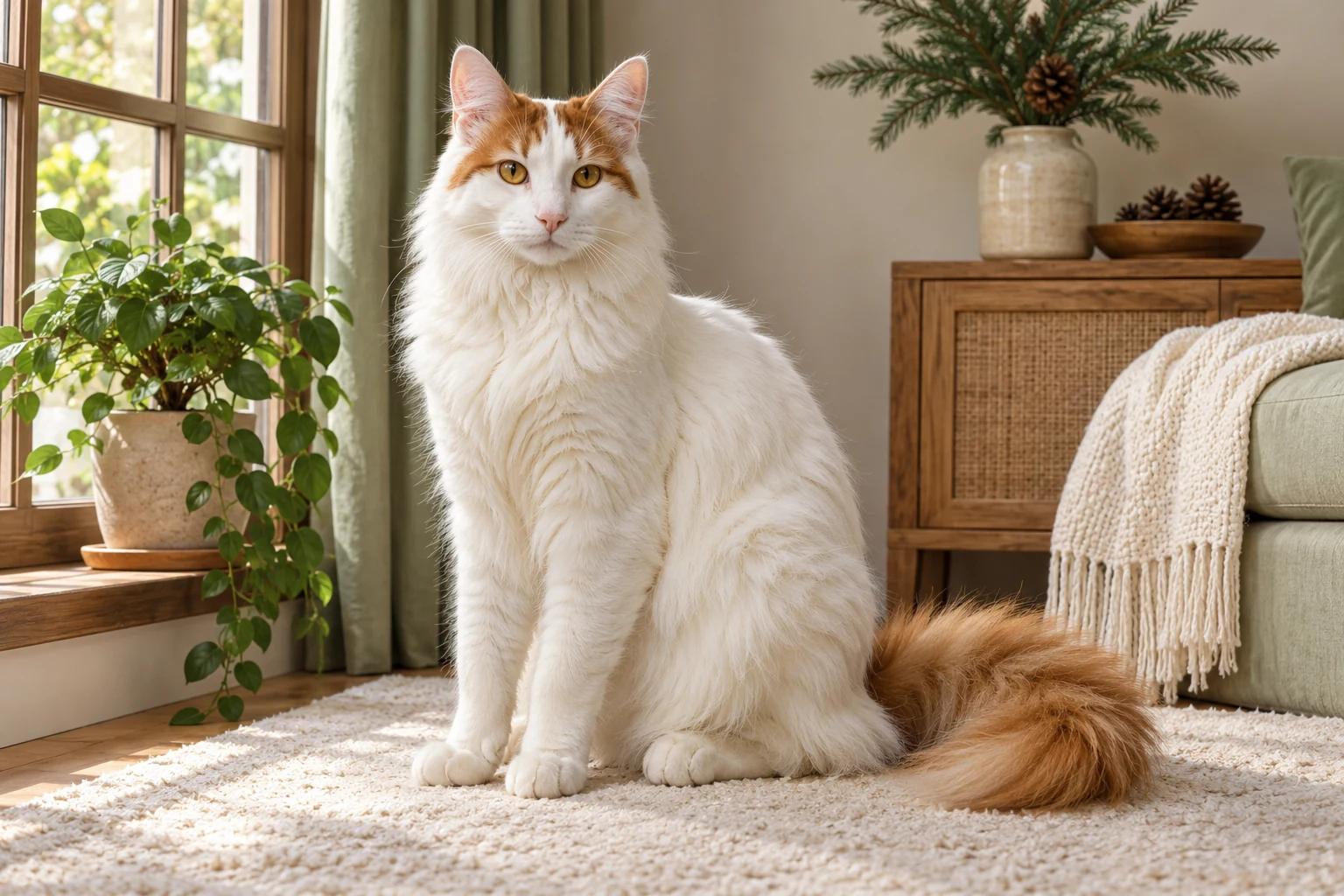
Turkish van cat grooming changes with the coat the animal is wearing. CFA describes a lighter warm-weather coat and a heavier winter coat, with weekly combing generally sufficient for the former and potentially more attention for the latter. The current profile retains weekly care adjusted for seasonal change and individual tangles, rather than promising one identical session throughout the year.
This guide explores turkish van cat coat care through a demonstrated combing routine and seasonal review. It does not use the breed's water reputation to select a bathing schedule or provide a home method for removing difficult mats.
Turkish van cat grooming: learn the coat as it is now
Ask the caregiver what season and coat condition the current routine reflects. The Turkish Van profile keeps seasonal adjustment visible. A brief demonstration in a lighter coat may not describe the work involved when the animal has a fuller winter outline.
CFA describes a soft coat without the undercoat associated with some other longhaired breeds. That description helps explain texture but should not be expanded into a guarantee that this individual cannot tangle. Check the actual coat and accepted care.
Learn where attention is needed and what should prompt professional help. A coat that looks smooth from above does not by itself establish that every area has been maintained or that an unfamiliar change is harmless.
Make the steel comb part of an understandable task
CFA discusses combing to remove loose hair. Ask an experienced caregiver or suitable professional to show appropriate use on this animal. Learn the tool's purpose and how to recognize catching rather than increasing force when something resists.
VCA's general coat-care guidance emphasizes equipment suited to the individual and gentle handling. Check the comb's condition before use. Set a rough or damaged item aside instead of testing it on the cat to decide whether it still works.
Keep the kit simple enough that another responsible caregiver understands it. Several devices promising a perfect longhaired finish can make the task less clear. The goal is suitable maintenance, not removing the largest possible quantity of hair.
Review the shift to a fuller coat
Ask how care has changed during previous seasonal transitions. The source's winter qualification is useful context, but it does not supply a date when every Van requires a new routine. Notice the actual texture, loose hair and accepted handling.
A short note can distinguish the lighter-coat routine from current needs. Record what has changed and who will ask for advice if ordinary care becomes difficult. A sitter should not be expected to discover an unfamiliar technique during the owner's absence.
Do not explain every coat concern as winter shedding. Contact your veterinarian about patchiness, skin changes, discomfort or altered self-grooming. The season can be part of the history without deciding the cause.
Keep closeness separate from restraint
The Van profile describes attachment without assuming enjoyment of carrying. A grooming arrangement should respect that distinction. Ask how necessary care is managed comfortably rather than deciding that a cat seeking company will tolerate any position.
Prepare a stable setting and supplies before beginning. Pause appropriately and let a departure remain meaningful. Repeatedly returning the animal to finish a coat target can obscure the response that needs review.
Adults should supervise children's involvement. Gathering tools or reporting an observation can be useful help; holding the cat still or deciding whether a difficult area is normal should not be a child's responsibility.
Know where routine maintenance ends
A difficult knot should prompt suitable advice rather than stronger pulling. VCA warns against scissors for mats and recommends professional help for severe or extensive tangles. No cutting, clipping or pulling procedure is provided here.
Explain the area involved, the animal's response and what has already been tried. If skin is irritated or handling has changed, tell the veterinary team instead of making the coat appear tidier before contact.
Recurring problems deserve review of the individual routine and condition. A source describing a relatively manageable coat cannot decide that ordinary combing will resolve every situation. Necessary help should not depend on proving the animal matches an easy-care reputation.
Keep bathing independent of a water story
CFA does not describe routine bathing as necessary for every Van, and VCA explains that bathing needs vary. An individual choosing to investigate water is not the same experience as a necessary cleaning task. The breed name does not establish tolerance or product suitability.
Ask the veterinary team about contamination, skin concerns or an individual need. Learn appropriate products and handling when a task is advised. This article provides no household-mixture recipe or way to continue through distress.
The separate Turkish Van water-safety guide addresses environmental access. It should not become a bathing demonstration or a reason to put the cat into water to test a reputation.
Plan for hair and care beyond the session
Turkish van cat shedding can be managed as part of ordinary household cleaning, but a clean sofa does not replace the animal's coat check. Keep household products separate from animal supplies and distinguish the two jobs in a shared care note.
FelineVMA's indoor-cat guidance places positive interaction alongside activity, resources and retreat. Offer company that does not always predict grooming, with familiar play and undisturbed rest available. A maintained coat is only one part of the relationship.
Use the cat quiz to consider the broader commitment, then discuss the actual seasonal routine with the caregiver. A useful plan is specific enough to follow and clear about when help is needed. It does not promise that one combing frequency or a water-loving label resolves every future care question.
Frequently asked questions
Does the source describe one routine for every season?
No. CFA distinguishes a lighter warm-weather coat from a heavier winter coat that may need more attention. Learn the individual routine and adjust with appropriate advice.
Does the coat description guarantee no tangles?
No. Maintain the actual coat and seek help where needed. A general account is not an assurance about every individual or future condition.
Should a difficult mat be cut out at home?
No cutting method is provided. VCA warns against scissors for mats; seek suitable professional care instead of pulling or experimenting.
Does interest in water establish bathing tolerance?
No. Voluntary investigation and a cleaning procedure are different experiences. Ask about the individual need, products and appropriate handling.
Sources behind this article
Article source checked: November 20, 2026. Source checked 2026-11-20
Keep reading

Abyssinian Cat Grooming: Care for the Short Ticked Coat
Read article →