Tennessee Rex Cat Training: Make a Mat Invitation Understandable
Plan Tennessee Rex cat training with small voluntary steps, clear rewards and a consistent mat invitation, without restraint or obedience guarantees.
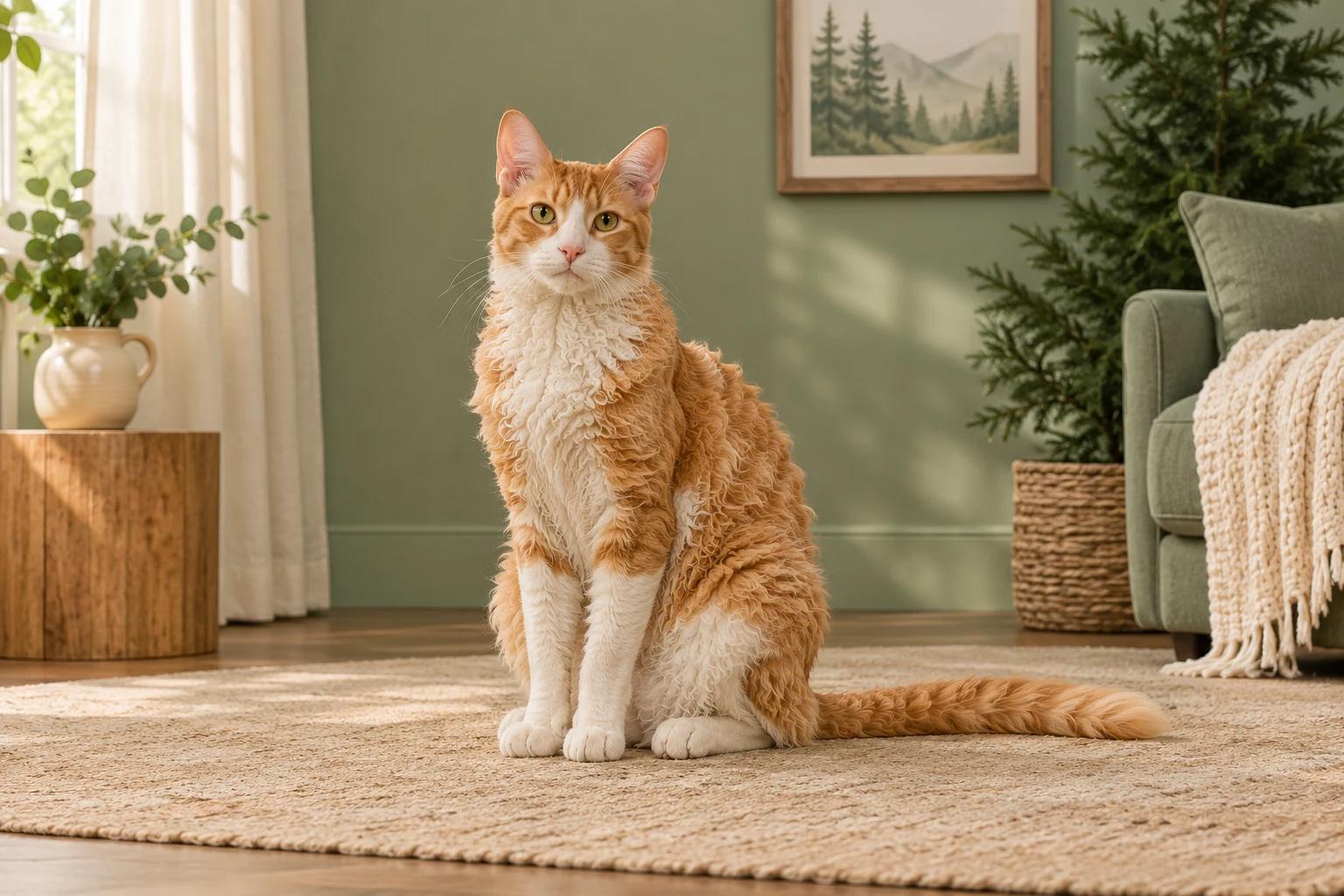
Tennessee rex cat training can begin with an ordinary, voluntary choice: approaching a familiar mat in a quiet setting. The mat is a clear place to notice an action, not a device for keeping the cat still through handling. A useful invitation should remain understandable even when progress is modest and the animal chooses to leave.
This guide considers how to train a tennessee rex cat through manageable steps and suitable rewards. It provides no fixed learning speed or promise of obedience, and it keeps care, access to essentials and physical safety independent of whether a cue is completed.
Tennessee rex cat training: choose an ordinary purpose
A mat can provide a recognizable destination for optional interaction in a suitable room. Begin with a familiar, appropriately maintained surface that the cat can approach comfortably. It need not be raised or require a jump.
The Tennessee Rex profile supports small, reward-based tasks. FelineVMA's training guidance explains breaking an action into manageable parts. Your first objective might be looking toward the mat or taking a step in its direction, rather than settling there for an extended period.
Choose a purpose that improves clarity between caregiver and cat. Do not begin with a vague expectation to behave, and do not use the exercise to delay necessary professional care. Ask the veterinary team about concerns affecting movement or comfort before proceeding.
Set up the opportunity without creating pressure
Choose a quiet time when the animal is awake and comfortable. Keep another pet from controlling the route, and leave access to retreat and essential resources available. The cat should not need to complete the exercise to reach food, water, litter or rest.
Prepare a suitable reward before asking for attention. If food is involved, fit it within current care instructions and seek advice about restrictions. Petting is only a useful response if the individual wants it at that moment.
Keep your own movements simple enough to recognize the intended action. Searching for a reward or moving the mat while the cat investigates can change what you are acknowledging. An understandable setup helps the person deliver clearer information.
Notice the smallest voluntary step
If the cat orients toward the mat, acknowledge that chosen response appropriately. An approach can develop through smaller steps rather than appearing complete on the first attempt. Do not place the animal on the surface or hold it there to create an apparently successful result.
FelineVMA describes shaping as building behavior in manageable parts. Seek qualified help if you are unsure where the next step belongs. Increasing distance and expecting a longer stay are separate changes; avoid adding several new requirements together.
Allow a pause or departure. One voluntary step is still an observation even if the cat does not return immediately. You do not need to retrieve it from a resting place to obtain a final repetition for the training record.
Introduce one consistent invitation
Once the action is becoming understandable, a simple signal can be introduced consistently. Agree what it means with anyone helping. At this stage it invites a particular action in a familiar setting, not a complete sequence of approach, restraint and grooming.
Record the current stage in plain words. For example, the animal chose to step onto the surface with one caregiver nearby. That is more informative than writing fully trained and expecting a visitor to reproduce the result in another room.
Do not have several people call at once or change the signal to test intelligence. TICA's standard describes curiosity and sociability, but those expectations do not establish an individual's learning speed. The task should remain clear without requiring a performance of the breed's reputation.
Add duration only as a separate question
Approaching a mat and remaining there are different behaviors. If a longer chosen pause is a useful goal, seek appropriate guidance and keep progression manageable. Do not begin physically preventing departure because the destination has been learned.
The mat should not become the only acceptable resting place or the only way to obtain contact. Maintain other resources and opportunities. A cat can enjoy the exercise while still choosing to settle elsewhere later.
If participation stops being comfortable, end the opportunity and review it. A familiar action becoming newly difficult deserves veterinary advice rather than an assumption that the cat is being stubborn or needs a stronger reward.
Keep coat care outside an unexpected cue change
Tennessee Rex coats vary in length and texture. An animal standing on a mat has not automatically accepted combing, lifting or a new product. Learn appropriate cooperative care with the caregiver and veterinary team instead of adding a procedure unexpectedly after approach.
This guide supplies no coat technique, restraint method or home treatment. FelineVMA advises against training a frightened, sick or painful animal. Those concerns should prompt appropriate help, not another attempt to complete the exercise.
The existing Tennessee Rex care-claims guide addresses the scope of care information. A training success cannot fill gaps in the animal's records or establish that an unrelated care promise is true.
Use the skill within a wider relationship
Tennessee rex cat socialization involves new experiences and people, not simply asking every guest to give a mat cue. Let the animal choose distance during introductions. Adults should guide children and protect resting places from repeated demonstrations.
Keep physical safety arrangements independent of the invitation. A mat cue should not be the only thing separating the cat from an exterior exit, uncertain furniture or hazardous material. Never create danger as a test of reliability.
Use the cat quiz to consider the wider commitment to interaction and care. Tennessee rex cat obedience is most useful as clearer everyday communication within those responsibilities. It does not remove the need for rest, choice or appropriate help, and it cannot guarantee participation whenever somebody wants an attentive companion.
Frequently asked questions
Must the cat settle on the mat immediately?
No. A voluntary look or step can be an initial response. Keep learning manageable rather than requiring a complete action at the outset.
Should I put the animal on the mat to demonstrate?
This exercise does not use physical placement or restraint. A person-created position is different from a voluntary learned choice.
Does being on the mat authorize grooming?
No. Approach and accepted coat care are separate tasks. Learn an appropriate individual care plan without adding handling unexpectedly.
Can the cue replace a physical safety boundary?
No. Keep hazards and exterior exits managed independently. Do not test a learned invitation in a dangerous situation.
Sources behind this article
- TICA: Tennessee Rex standard, May2023 ↗
- FelineVMA: Cat training techniques ↗
- FelineVMA: Indoor cats position statement ↗
Article source checked: November 20, 2026. Source checked 2026-11-20
Keep reading

Abyssinian Cat Training: Useful Skills for an Active Cat
Read article →