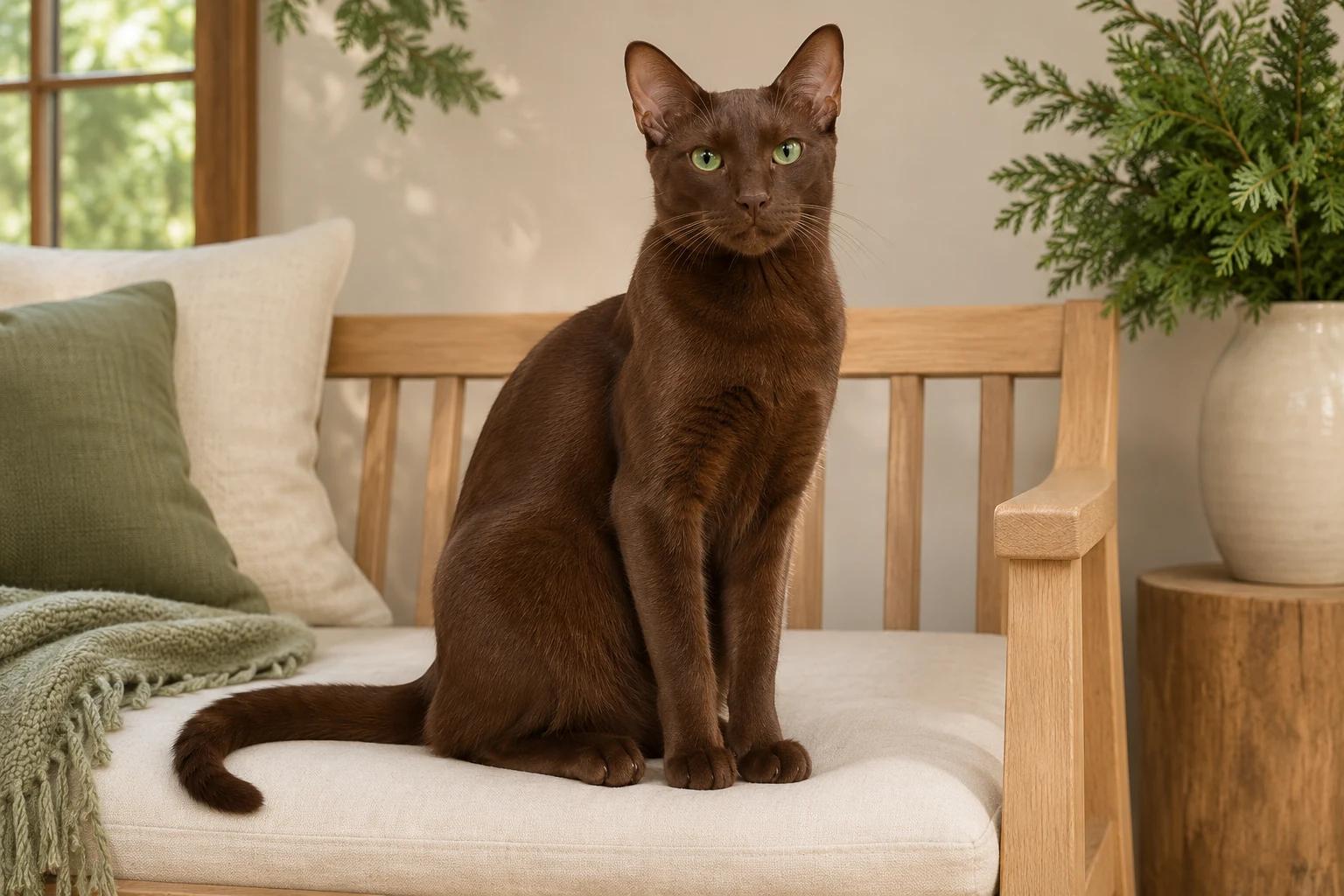
Adopting an adult European Shorthair when its history is incomplete
Organise an adult European Shorthair’s known and unknown history, preserving records and planning early care without inventing an age, diagnosis or pedigree.
Separate three kinds of information
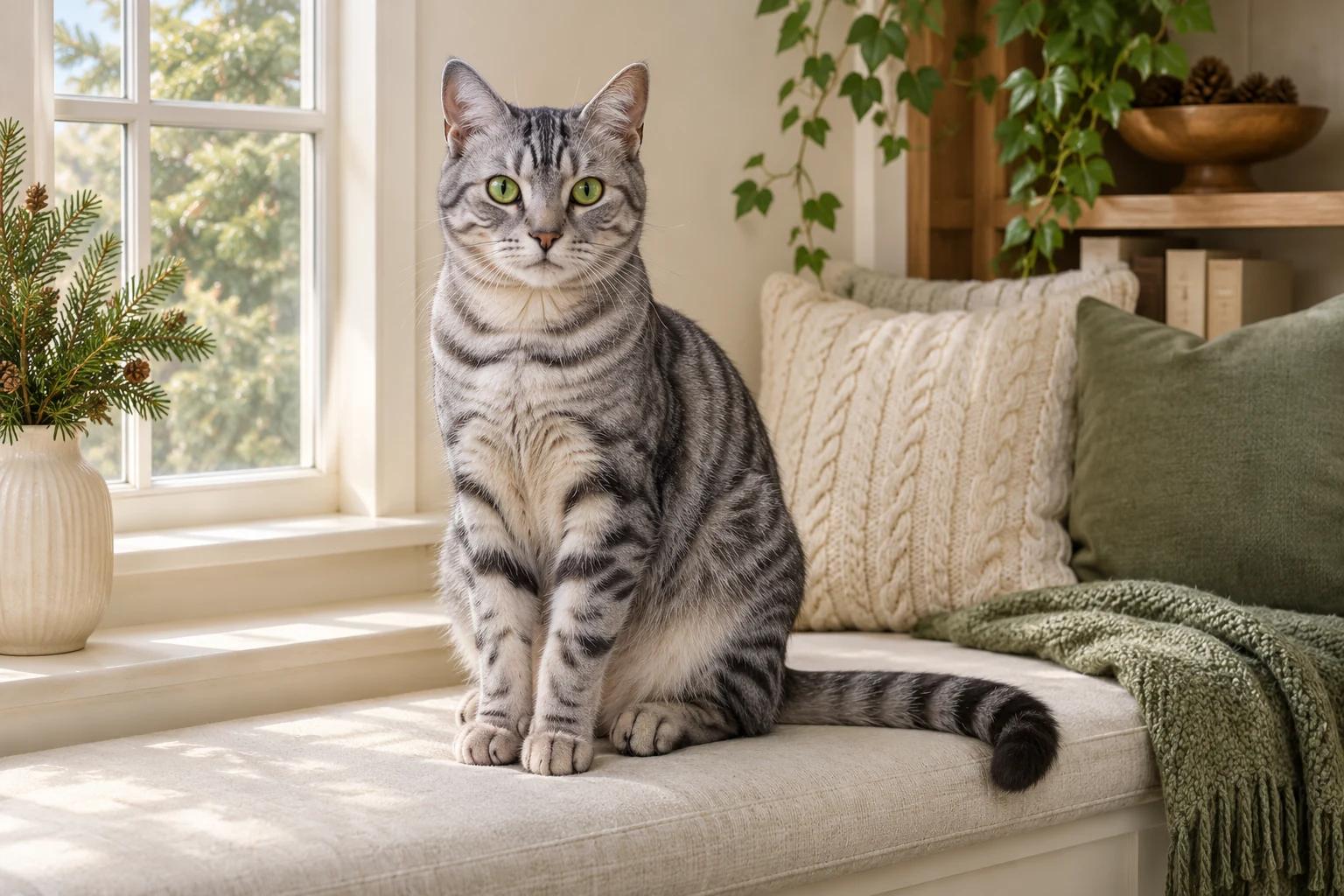
An adult European Shorthair may arrive with a detailed folder, a few pages or very little history. FIFe uses the breed name European; that listing does not verify an individual cat’s ancestry. Keep identity paperwork, previous care records and your new observations as separate categories so uncertainty in one does not quietly become certainty in another.
On a first-page summary, write what is documented, what someone has told you and what remains unknown. Label an estimated age as an estimate. If a date or name conflicts across records, retain both versions and ask the relevant organisation or veterinary practice for clarification. Do not tidy the folder by making unsupported details match.
Carry forward what is actually available
VCA’s first-visit advice recommends bringing available medical, vaccination and adoption records. Ask the organisation or previous caregiver which documents exist and how your vet can obtain them. A missing record is a question to resolve, not proof that a particular procedure was or was not performed.
Keep existing care instructions intact and note who supplied them. Where practical, ask about the current food, litter, handling preferences and ordinary day. These details can make the handover easier without establishing health status. If medication or another care instruction is unclear, contact the veterinary team rather than guessing from a partial label or another owner’s recollection.
Build a baseline without turning settling into a test
Choose a quiet starting arrangement with appropriate essentials and allow the cat to show its preferences. Cats Protection’s arrival guidance emphasises patience and an individual settling process. Do not use the first evening’s hiding, appetite or willingness to interact as a definitive description of its lifelong personality.
Keep short observations that can be shared at the first veterinary appointment. Describe what you see, such as the food offered or the resting place chosen, rather than filling missing history with a likely explanation. Contact the practice about a health concern promptly; incomplete records do not mean you need to wait until the cat has settled before asking for advice.
Give each unanswered question an owner
End the first week’s paperwork with a small action list: who is requesting old records, which questions go to the vet and what you need clarified by the rehoming organisation. Ask the vet to advise on preventive care based on the information available. This article does not supply a catch-up vaccination, testing or medication schedule.
Update the summary when reliable information arrives, retaining the original documents. The aim is not a perfect biography for your European Shorthair. It is a truthful, usable record that lets caregivers distinguish known facts from estimates and supports appropriate care while gaps are resolved. An honest unknown is safer and more useful than an attractive story nobody can substantiate.
Sources behind this article
Article source checked: October 22, 2026. Source checked 2026-10-22
Keep reading
Which identity and care records should accompany a Cherubim?
Read article →