Scottish Fold Training: Clear Signals Without Physical Pressure
Plan Scottish Fold training around voluntary, low-demand actions, with no movement tests, treatment advice or substitute for veterinary assessment.
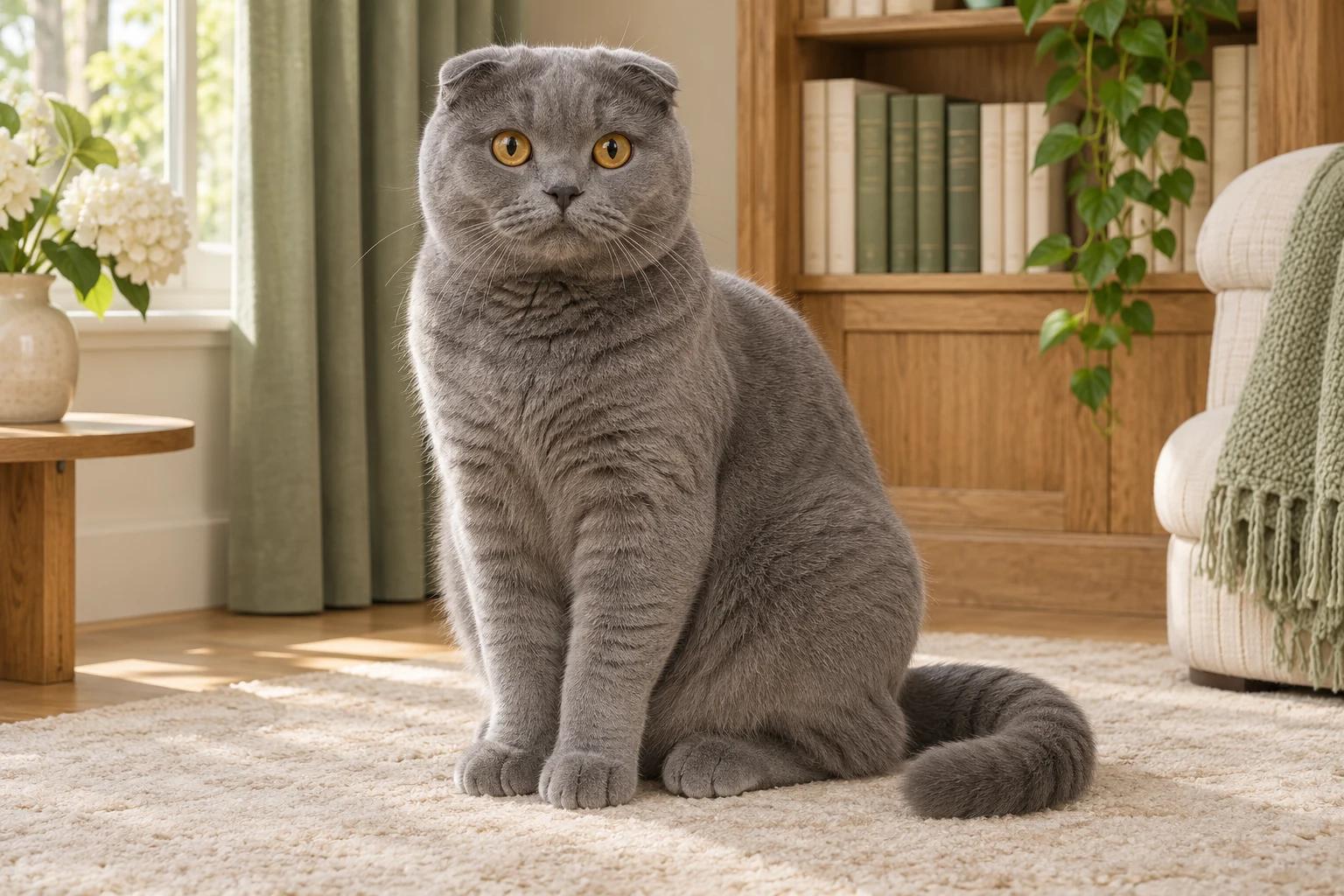
Scottish fold training should support communication while respecting comfort. It is not a way to test movement, overcome a reluctance to be handled or make a quiet animal perform a breed reputation. Before choosing a task, consider the cat's existing veterinary advice and ordinary behavior. A voluntary, low-demand interaction is a more suitable starting idea than an exercise built around jumps or unusual postures.
This guide considers how to train a scottish fold using simple observation and suitable rewards. It provides no treatment or rehabilitation program and does not turn training success into evidence that a cat is free from discomfort.
Scottish fold training: choose a goal that does not test mobility
Start with a modest purpose, such as helping a cat recognize an invitation toward a comfortable nearby place when it is already moving willingly. Avoid tasks that require jumping, stretching, standing upright or bending the tail or limbs. Ask the veterinary team whether a proposed activity fits the individual when there is uncertainty or an existing care plan.
The Scottish Fold profile emphasizes gentle opportunities and warns against dismissing reduced activity as personality. A task should respect those limits from the outset rather than adding caution only after the cat struggles.
Prepare a suitable setting with no hazards or competing animals. Essential resources and retreat should remain available. An unsuccessful invitation should be an unremarkable learning observation, not a situation where the cat must comply to reach something it needs.
Reward a choice, not a posture you create
FelineVMA's training guidance describes positive reinforcement and manageable learning steps. Notice an appropriate voluntary action rather than placing or holding the animal in the position you want. Physical stillness obtained through restraint is not evidence of understanding.
Choose a reward suited to the individual and its care instructions. If food is restricted or there are dietary concerns, ask how rewards should fit the plan. Essential food must not be withheld to make the exercise more persuasive.
Prepare before starting so that your response can follow the intended action promptly. A simple setup is easier to manage than several devices and signals at once. The cat's comfort and clear timing matter more than the appearance of a formal training session.
Keep the first step small and accessible
A suitable early step might be looking toward a familiar place or taking an ordinary voluntary step in its direction. You do not need to wait for a finished behavior before acknowledging progress. Nor should an early success trigger a sudden increase in distance or physical demand.
FelineVMA describes shaping as dividing a task into manageable parts. Apply that principle carefully and seek qualified guidance if you are unsure where the next step belongs. A cue repeated insistently does not explain missing information to the learner.
Allow the cat to leave. If participation stops, review the task and setting rather than increasing pressure. A pause can end the opportunity without a final repetition, and training does not need to last a particular number of minutes to be worthwhile.
Do not use obedience language to dismiss a concern
Scottish fold obedience may be a search term for easier everyday care, but a changed response is not automatically disobedience. If the cat newly avoids a familiar movement, touch or activity, contact the veterinary team. Do not make it repeat the task to decide whether the problem is genuine.
UC Davis links the fold trait with cartilage and bone effects, with variable progression. That evidence makes it especially important not to interpret every reluctance as a training problem. It does not authorize diagnosis from behavior or tell you which treatment, if any, an individual needs.
The existing Scottish Fold movement guide explains how to describe a concern without provoking it again. Use that separate guidance when needed. A training log should support appropriate care, not become a reason to postpone a call until enough attempts have been recorded.
Establish a signal before adding distractions
Agree on one simple invitation with anyone helping. Once an action is becoming understandable, introduce the signal consistently rather than having several people try different words and gestures. Keep a short note of the current stage so nobody expects a finished behavior after seeing one successful attempt.
A new room, visitor or nearby animal can change the task. Do not add all those demands because the cat responded in a quiet setting. Review each change in light of comfort and any professional advice, and keep physical safety independent of the cue.
A learned invitation cannot replace a secure exterior door or appropriate barriers around hazards. Do not test reliability where failure could put the animal at risk. Communication can be useful while still having limits.
Socialization should preserve the option to decline
Scottish fold socialization is not achieved by letting every guest handle the cat or ask for a trick. An unfamiliar person is a separate experience from a familiar exercise with a caregiver. Let the animal choose distance and protect its retreat.
Adults should supervise children and explain that the cat is not responsible for giving everyone a turn. Children can help prepare equipment or observe a voluntary action without being asked to hold the animal still or judge a health concern.
Do not carry a resting cat back to a training area to demonstrate progress. If the household wants a record, write what happened rather than obtaining a performance for a camera. An uneventful, comfortable opportunity is more useful than a photograph achieved through pressure.
Know when training is the wrong task
FelineVMA advises against training when an animal is frightened, sick or in pain. If comfort is uncertain, obtain veterinary advice. This guide does not recommend medication, supplements, stretching, massage or an exercise progression to address joint concerns.
The cat quiz can clarify preferences about daily interaction but cannot assess those clinical questions. Keep learning as one optional part of care, with suitable resources, rest and access to help remaining essential even when no cue is mastered.
A useful training approach makes an invitation easier to understand while leaving the individual free to participate. It does not prove tolerance, remove the fold trait's concerns or give a household a reason to expect more physical effort from a quiet cat.
Frequently asked questions
Should training include jumps to test ability?
No. Do not use an exercise to test movement or provoke a concern. Ask your veterinary team about a suitable task for the individual.
Does completing a cue prove the cat is comfortable?
No. One successful action cannot settle a health concern. Describe changed behavior and seek appropriate assessment rather than testing repeatedly.
Should rewards replace normal access to food?
No. Keep essential resources available and fit any food rewards within the agreed care plan, with veterinary advice when needed.
Can guests use a familiar cue to socialize the cat?
Not automatically. New people add a separate demand. Respect distance and retreat instead of requiring a performance or a turn for every visitor.
Sources behind this article
- TICA: Scottish Fold ↗
- UC Davis VGL: Scottish Fold variant ↗
- FelineVMA: Cat training techniques ↗
- FelineVMA: Indoor cats position statement ↗
Article source checked: November 20, 2026. Source checked 2026-11-20
Keep reading

Abyssinian Cat Training: Useful Skills for an Active Cat
Read article →