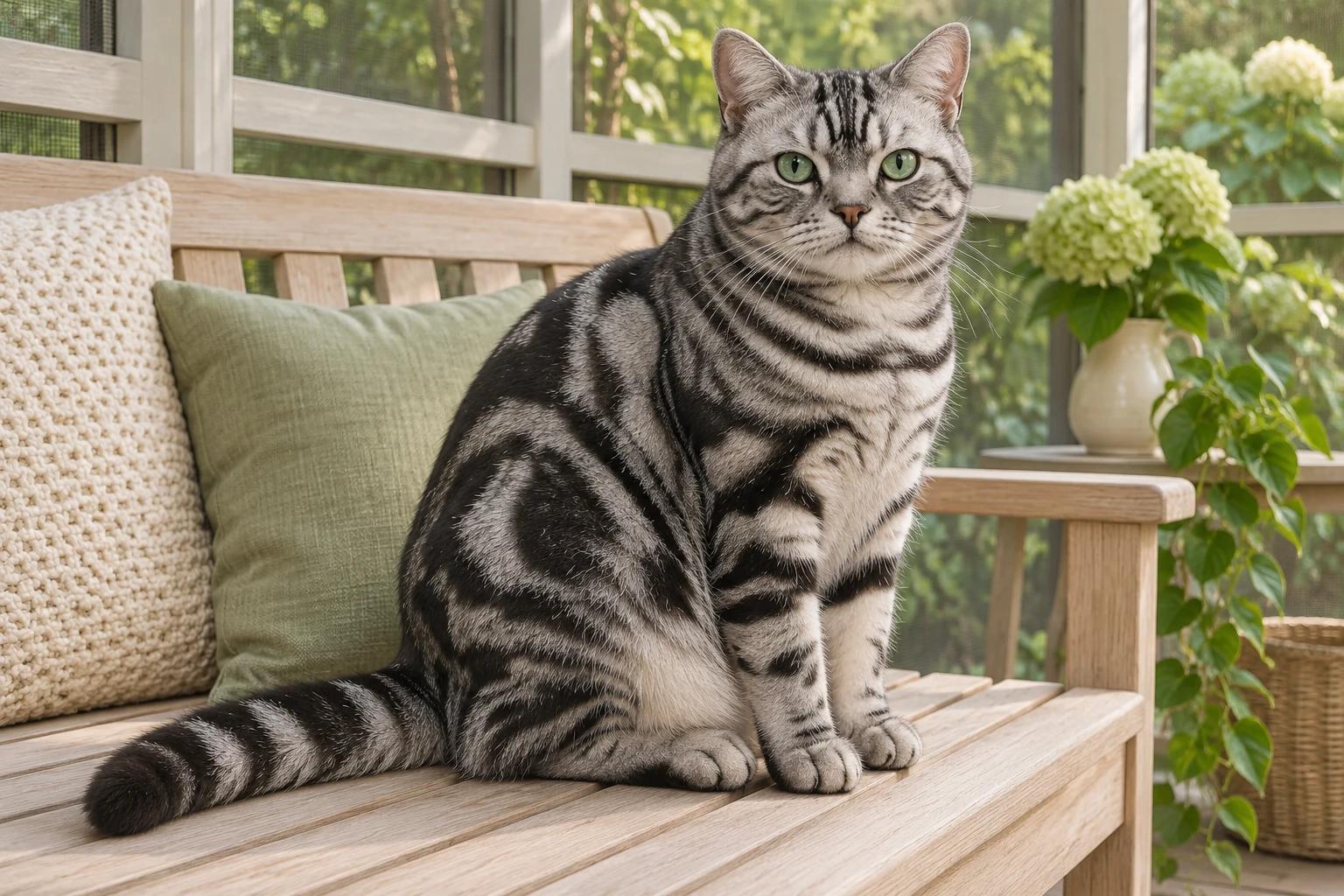
Ragdoll Cat Training: Invite Comfortable Carrier Exploration
Plan Ragdoll cat training around comfortable carrier exploration, suitable rewards and clear steps without treating calmness as permission to force.

Ragdoll cat training can support a practical task without asking a cat to live up to its name. One useful goal is voluntary investigation of a suitable carrier at home, separate from the pressure of an imminent journey. A calm-looking animal may still be uncertain about a container, an opening or a new sound. Learning should give you clearer communication, not a reason to force the task because the breed is reputed to be gentle.
This guide considers how to train a ragdoll cat in manageable steps. It does not replace veterinary advice about travel distress or provide a restraint method for a necessary appointment.
Ragdoll cat training: prepare the equipment first
Start with a suitable carrier and ask your veterinary team for help if fit or access is difficult. The Ragdoll profile describes a substantial adult, so usable room and secure handling matter as well as the manufacturer's load rating. A cat should not be asked to learn comfort inside equipment that is poorly suited to its body.
Place the carrier securely in an appropriate, quiet area according to its instructions. Avoid a setup that shifts, closes unexpectedly or blocks the cat's exit. Keep another animal from interrupting the exploration and have a suitable reward ready before inviting interest.
FelineVMA's training guidance describes positive reinforcement and small learning steps. The breed's calm reputation does not change those principles or justify a deadline. Your starting point is the actual cat's response to the equipment today.
Reward investigation rather than manufacture it
Notice voluntary interest, which might initially be looking toward the carrier or approaching its entrance. Respond to an appropriate small action with something the cat values. Do not pick it up and place it inside repeatedly, then describe the resulting presence as a learned choice.
Choose rewards that fit the individual and its care plan. If food is restricted or the cat has dietary concerns, ask your veterinary team how rewards should be managed. Do not withhold essential food to make participation more likely.
The timing should remain understandable. Prepare before starting so that you can respond promptly instead of opening cupboards while the cat waits. A marker word or other suitable signal can help when established appropriately, but extra equipment is not a substitute for observing the learner.
Separate approaching, entering and remaining
An approach to the entrance is not the same task as entering, and entering is not the same as remaining inside with a door closed. Keep those distinctions clear. A cat that has taken one small step should not suddenly encounter every later part of the travel routine.
FelineVMA describes shaping through manageable steps. Apply that by advancing only when the current part is comfortable and understandable. Ask for professional guidance if you are unsure how to divide the task or if the animal has an existing history of distress.
A familiar item may help make equipment less novel when appropriate, but do not use it to conceal an abrupt change or trap the cat. The ability to leave is part of voluntary exploration. Do not close an opening merely because you finally obtained the position you wanted.
Add a consistent invitation carefully
A cue becomes useful when it connects with an action the cat is learning, not when it is repeated until something happens. Agree on the signal with other caregivers and avoid several people calling at once. One calm, consistent setup is easier to understand than a group trying different techniques.
Keep a short note of the stage reached. Someone who sees the cat investigate the entrance should not assume it is ready for a journey or prolonged confinement. The record should distinguish voluntary behavior from the later transport tasks that still need their own plan.
If the cat leaves, allow the pause. Review the setting, reward and difficulty before another opportunity. Repetition through frustration is unlikely to clarify what you mean, and the animal should not have to remain near the carrier to end the interaction.
Do not confuse obedience with necessary care
People searching for ragdoll cat obedience may hope training will make appointments straightforward. It can be helpful, but urgent or necessary care still requires appropriate professional guidance. Do not delay contacting the veterinary team about a health concern because a training program is incomplete.
The existing Ragdoll handling-boundaries article explains why the breed name does not authorize carrying or restraint for entertainment. The same principle applies here: quietness does not establish that a particular step is comfortable.
A sudden change in willingness, mobility or handling tolerance should be discussed with your veterinarian. Avoid deciding that the cat needs a stronger incentive when the reason may require assessment. This guide does not diagnose travel anxiety or prescribe products or medication.
Keep socialization separate from an audience
Ragdoll cat socialization is not proved by showing visitors a carrier exercise. Familiar training with one person and meeting an unfamiliar person are different situations. A guest should not become a new handler without consideration of the cat's current comfort and learning stage.
Adults should supervise children's involvement. Children can help prepare supplies or learn to watch a voluntary step, but the cat should not be called back repeatedly so everyone receives a turn. Protect its resting place when the opportunity ends.
Also keep exterior-door safety independent of the task. Learning to approach a carrier is not a guarantee against escape and should never be tested beside an unsecured exit. Training supports communication within reliable safety arrangements.
Review the process before expecting the outcome
After each opportunity, ask what the cat actually chose and whether your own response was clear. A small comfortable investigation is meaningful progress even when it does not produce the finished journey you have in mind. Adjust one part at a time and obtain guidance when the task is not working.
The cat quiz can help clarify your preferences about daily interaction. Learning together can then become one part of a broader relationship with rest, care and choice. The useful result is a task the animal understands in suitable circumstances, not a performance guaranteed by the word Ragdoll.
Frequently asked questions
Will a Ragdoll automatically accept a carrier?
No. Calm breed descriptions do not establish comfort with particular equipment or travel. Assess fit and the individual's history before planning training.
Should I put the cat inside to teach the task?
This guide focuses on voluntary exploration, not repeated placement. Ask your veterinary team for appropriate help with necessary transport or an existing difficulty.
Does approaching the carrier mean the cat is ready to travel?
No. Approaching, entering, remaining and traveling involve different demands. Keep those stages separate and plan necessary care appropriately.
What if the cat's response changes suddenly?
Stop and discuss concerns with your veterinarian. Do not assume a new reluctance is disobedience or a reason to increase pressure.
Sources behind this article
Article source checked: November 20, 2026. Source checked 2026-11-20
Keep reading

Abyssinian Cat Training: Useful Skills for an Active Cat
Read article →