RagaMuffin Cat Grooming: Care for the Silky Coat You Have
Plan RagaMuffin cat grooming with suitable tools, individual tangle checks and clear limits on home care when professional help is needed.
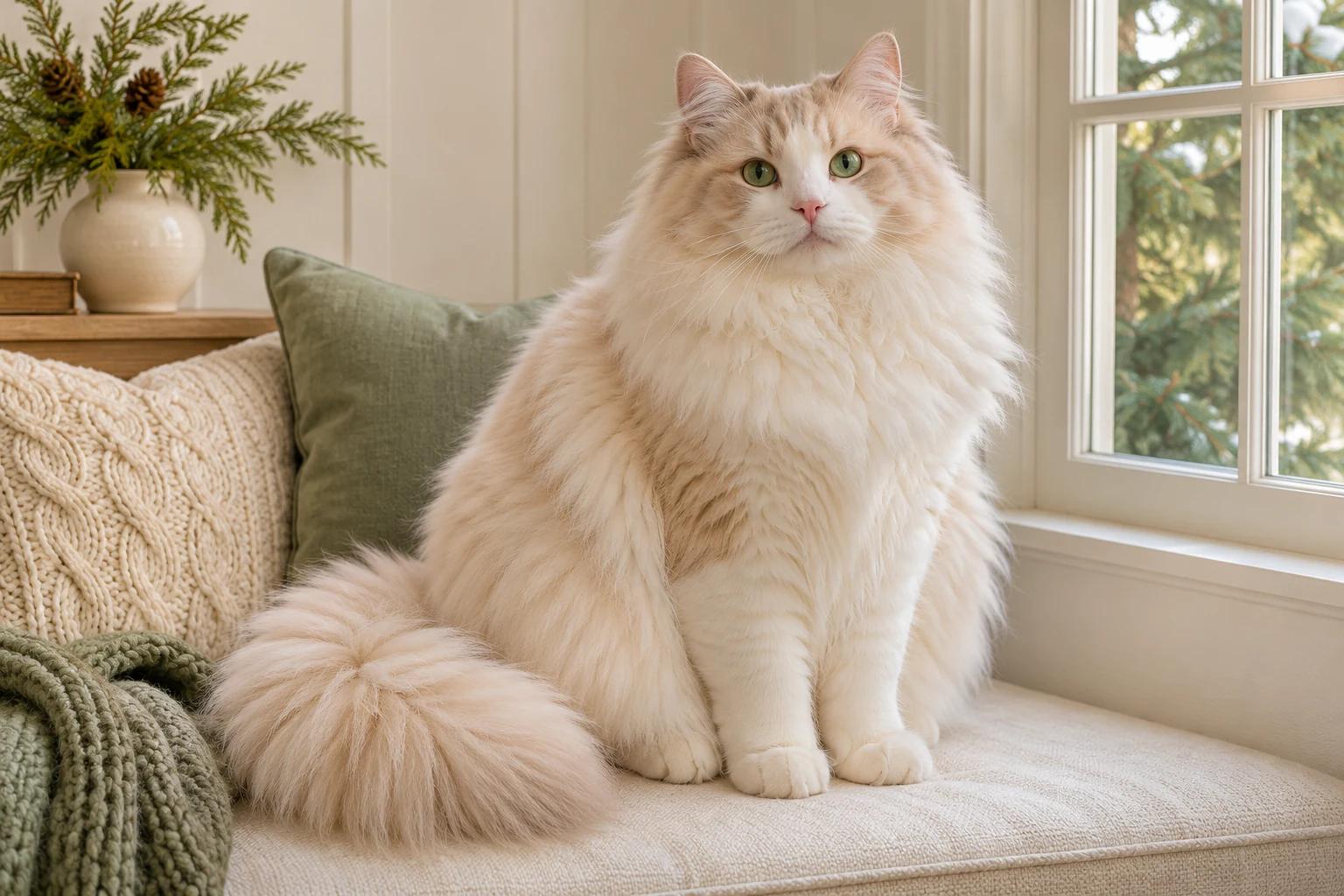
Ragamuffin cat grooming begins with a regular opportunity to check the actual coat. CFA suggests combing once or twice a week, and the current site profile retains that starting point while warning against assuming the fur cannot mat. A silky appearance does not tell you whether the underside has been checked or whether the cat finds a particular tool comfortable.
This guide explains ragamuffin cat coat care as a practical household responsibility. It does not provide a mat-removal procedure, bathing recipe or promise that a long coat will remain manageable without adjustment.
RagaMuffin cat grooming: begin with the familiar routine
Before adopting or changing tools, ask the current caregiver to demonstrate what the cat already accepts. Notice where the grooming happens, how the animal is positioned voluntarily and which areas need more attention. A brief demonstration can reveal more than a description of an easy coat.
The RagaMuffin profile recommends combing once or twice weekly with checks for individual tangles. Treat that as a reference to review against the coat, not a rule to follow despite visible changes. Ask a veterinarian or experienced cat groomer how to adapt care if the current routine is insufficient.
Separate a light surface smoothing from checking through the coat appropriately. You do not need to produce a large amount of hair to prove useful care. You do need to understand which tasks are suitable at home and which should be left to trained help.
Choose equipment with professional guidance
CFA mentions a long-toothed comb for the breed. VCA's general coat-care guidance likewise explains that tools should suit coat type and be used gently. Product names and dramatic before-and-after images are less useful than a demonstration on the animal you will care for.
Ask about pressure, direction and areas where extra caution is needed. If the tool repeatedly catches, do not assume the answer is to pull harder. Stop and seek advice about the coat and equipment rather than turning a grooming session into a test of restraint.
Keep tools clean, stored safely and available before inviting the cat. An organized setup makes it easier to respond to the animal instead of reaching across it for missing equipment. Other caregivers should know which tool belongs to the current plan rather than substituting something intended for another pet.
Make comfort visible throughout the task
If you are asking how to groom a ragamuffin cat, begin with the cat's ability to participate comfortably. Choose a stable setting and a familiar time where possible. Leave room for a break instead of cornering the animal because a scheduled task must be completed.
Watch the response to particular areas and movements. Enjoying contact beside a person does not establish tolerance of every coat-care technique. If handling becomes newly difficult, or the skin appears uncomfortable, contact your veterinarian rather than assigning a personality label.
Adults should manage grooming and children's involvement. A child can help prepare supplies or learn what to observe, but should not be expected to interpret every sign or hold the cat still. The coat-care commitment belongs to the responsible adults in the household.
A tangle is a reason to reassess, not increase force
Do not treat the breed's reputation for a relatively manageable coat as a guarantee against knots. Ask for help if you find a difficult tangle or an area you cannot assess comfortably. VCA cautions against scissors for mats and recommends professional care for severe or extensive tangles.
This article does not describe cutting, clipping or pulling a mat apart. The relevant decision is when the task has moved beyond the routine you were shown. Explain the location, the cat's response and any product already applied when asking for advice.
If a problem returns, review the routine with the professional rather than repeating the same difficult cleanup. Changes in the coat or the cat's ability to groom itself may need veterinary assessment. Do not assume that an attractive surface means there is no underlying concern.
Understand shedding without chasing a hair-free result
Ragamuffin cat shedding is part of living with a coated animal. The amount you notice can depend on furnishings and cleaning routines as well as the cat itself. Avoid treating one brushful as a quantitative test of whether the animal is normal for its breed.
Use manageable household cleaning arrangements alongside appropriate coat care. Washable covers and safely stored cleaning supplies address a different task from grooming. Furniture products and lint-removal equipment should not become improvised tools for the animal.
Describe a sudden or concerning change to your veterinarian, especially if there are bare areas, irritation or discomfort. More vigorous brushing is not a way to determine the cause. Keep the observation separate from a diagnosis and follow the advice you receive.
Do not add baths merely because the coat is long
CFA does not describe regular bathing as necessary for every RagaMuffin. VCA also explains that bathing needs vary with the individual and circumstances. Ask about the animal's established routine rather than borrowing a schedule from another longhaired cat.
If bathing appears repeatedly necessary, discuss the reason and suitable care with your veterinary team. Do not choose products from a human bathroom cupboard or apply a home remedy to an unexplained skin concern. Contamination and ordinary loose hair require different decisions.
Keep current instructions accessible to anyone providing backup care. A sitter should know what can wait, what needs reporting and whom to contact. Care continuity matters more than returning the cat with a perfectly arranged coat for a photograph.
Plan grooming alongside the wider household
The separate RagaMuffin resident-dog guide addresses introductions rather than coat technique. Even when animals get along, provide a grooming setting where another pet cannot repeatedly interrupt or block the cat's exit.
Before committing, use the cat quiz to organize your care preferences and ask for an honest account of this individual's needs. A sensible plan includes regular attention, suitable tools and access to help. The aim is a comfortable, understood routine, not proof that the breed needs no work.
Frequently asked questions
How often does the site suggest combing?
The current starting reference is once or twice weekly. Adjust with professional guidance to the individual's coat and condition instead of following a schedule despite developing tangles.
Can a RagaMuffin coat mat?
Do not rely on a no-matting guarantee. Check the coat appropriately and seek advice about difficult tangles or a routine that is no longer working.
Should I cut out a mat at home?
This guide gives no cutting procedure. VCA warns against scissors for mats; ask your veterinarian or a qualified groomer about appropriate help.
Does every RagaMuffin need regular baths?
No shared schedule is established here. Review the individual need and suitable products with the caregiver and veterinary team rather than adding baths solely because the coat is long.
Sources behind this article
Article source checked: November 20, 2026. Source checked 2026-11-20
Keep reading

Abyssinian Cat Grooming: Care for the Short Ticked Coat
Read article →