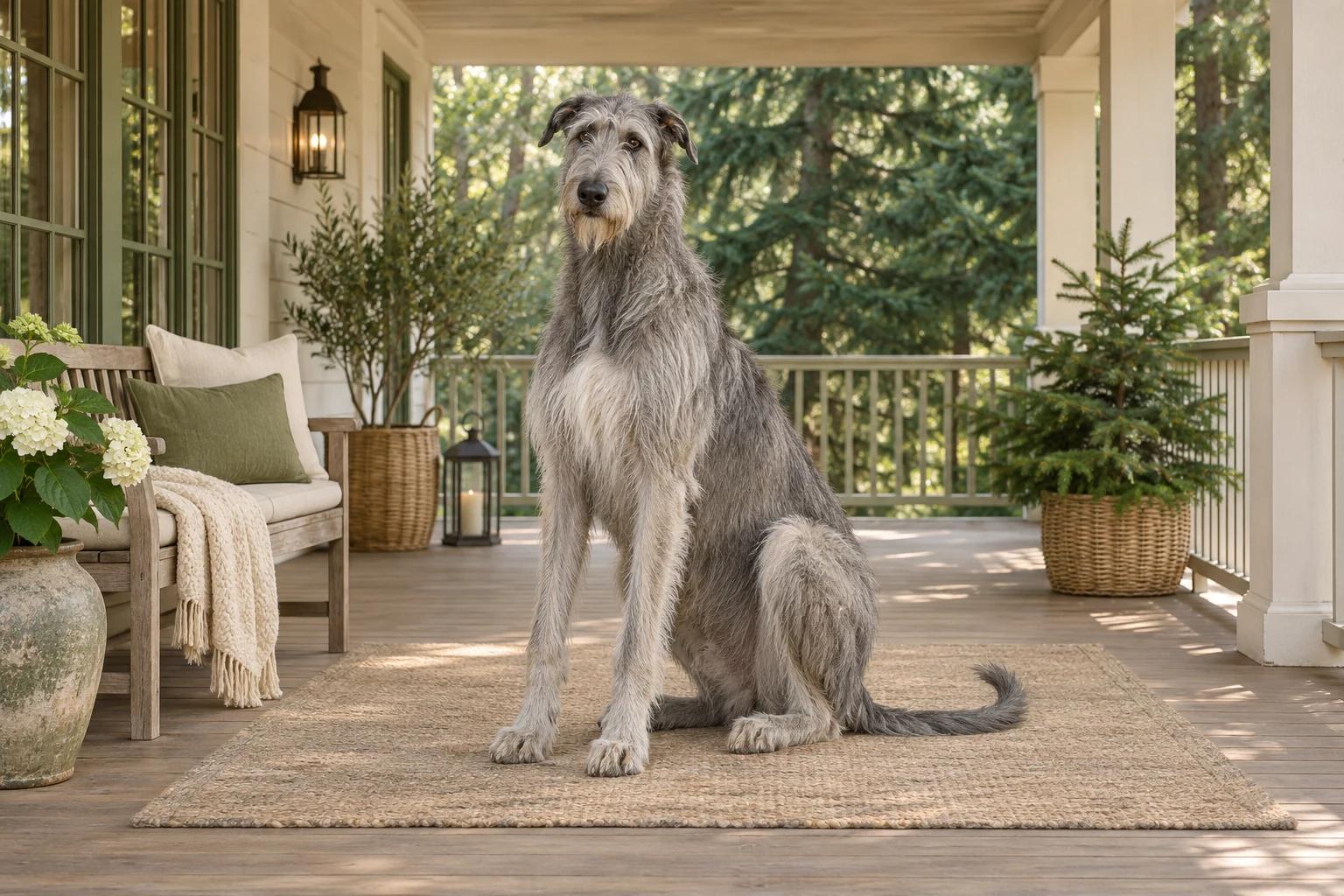
A longer Puggle muzzle is not a breathing-health certificate
Understand the limits of longer-muzzle claims for Pug-Beagle crosses, ask what supports a health statement, and recognize breathing changes that need veterinary attention.

Separate a comparison from a medical conclusion
A Puggle combines Pug and Beagle ancestry. PetMD notes that Puggles often have longer muzzles than their Pug parent, but explicitly cautions that this does not mean they avoid problems associated with brachycephalic dogs. A visible difference can be real without establishing the broader health conclusion attached to it.
This distinction matters when a description moves from a photograph to a promise. Saying that one dog's muzzle looks longer than another's describes appearance. Saying that crossing the breeds has eliminated breathing problems makes a medical claim that the photograph cannot establish. The cross name itself does not supply the missing evidence.
Ask what the reassuring statement actually refers to
For an illustrative example, imagine a description that calls a Puggle a healthier alternative because of its longer nose. Ask which individual dog was assessed, what was examined and who made the assessment. Was the statement based on a veterinary consultation, a relative comparison or simply the writer's impression? Keep those answers separate rather than treating them as equivalent.
A parent's examination also answers a different question from an examination of the puppy or adult you are considering. Request the available records and discuss them with your veterinarian. If the evidence is incomplete, record that gap honestly. This approach does not presume that the dog is ill; it avoids turning limited information into a guarantee.
Respond to the dog, even when the description sounded reassuring
PDSA advises veterinary assessment for breathing that is quicker or noisier than usual, including less serious signs that improve after the pet calms down. A Puggle's mixed ancestry is not a reason to dismiss a change. Describe the current signs and follow the clinic's advice about assessment.
Struggling to breathe is an emergency: take the dog to the nearest veterinary clinic and call on the way if possible. Keep the dog calm and cool while obtaining help. Do not stage a walk or exercise challenge to test a claim about its muzzle. A useful health conversation starts with evidence and the individual dog's condition, not a comparison photograph.
Sources behind this article
Article source checked: October 20, 2026. Source checked 2026-10-20
Keep reading
Bulldog breathing assessments: read the record clearly
Read article →