Bulldog breathing assessments: read the record clearly
Understand what a Bulldog respiratory function assessment records, why it is not a home fitness test, and which details to take to a veterinary discussion.
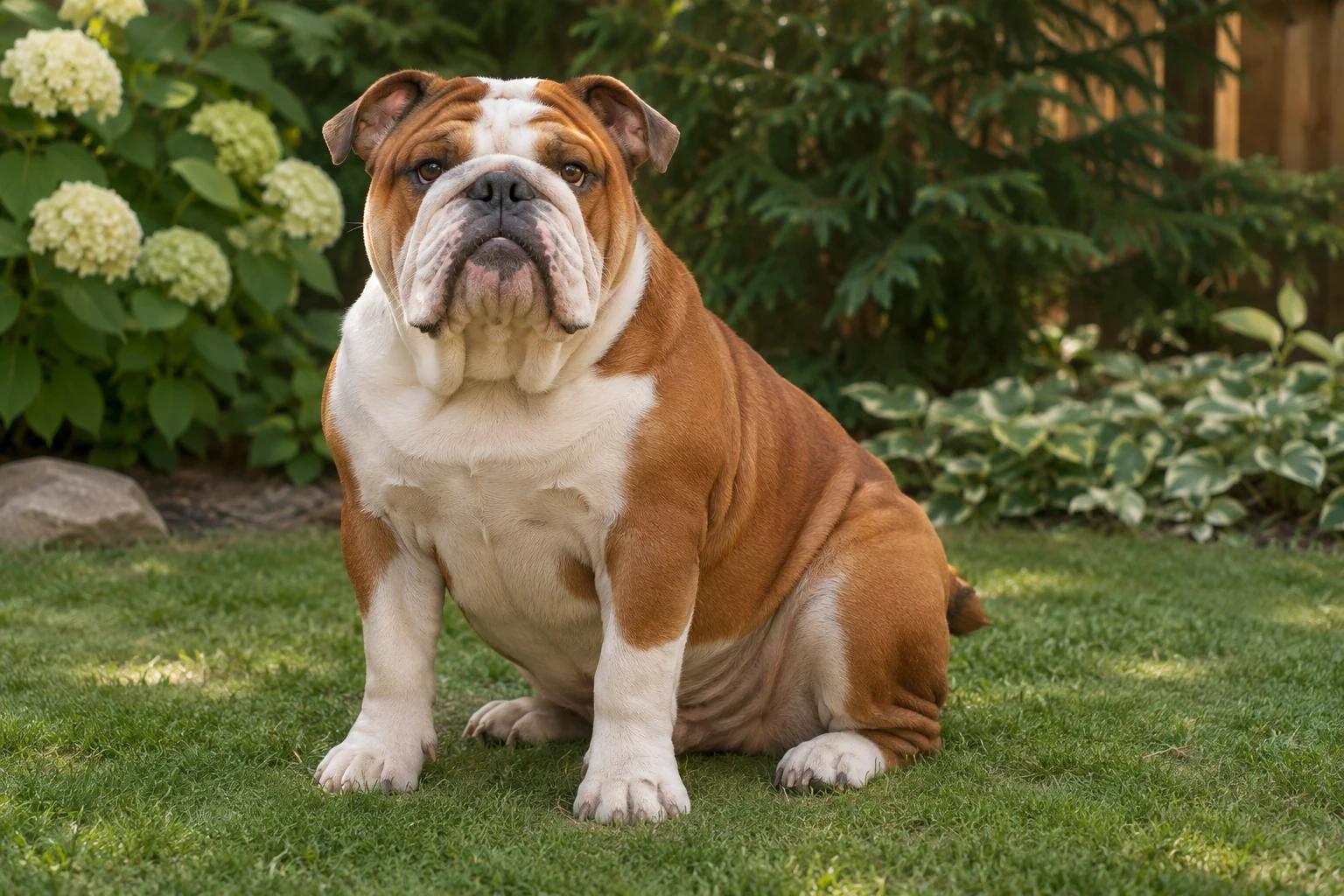
A familiar breathing sound is still information
The Orthopedic Foundation for Animals explains that Bulldogs can be affected by brachycephalic obstructive airway syndrome, or BOAS, and that owners sometimes mistake breathing difficulties for normal breed characteristics. A cheerful description of snoring does not establish whether a particular dog is comfortable. The useful starting point is a clinical record and the veterinarian’s interpretation.
Collect observations without trying to grade them: what happened, what the dog was doing, and whether it was a new change. A naturally occurring video may help the veterinarian understand an observation, but do not provoke symptoms for a recording. Breathing difficulty needs prompt veterinary attention rather than an appointment with a buyer’s checklist.
What the formal assessment does
OFA’s Respiratory Function Grading Scheme uses a trained, approved veterinarian. It combines a breathing history, assessment at rest, a controlled exercise component when appropriate, and a further assessment afterward. OFA explicitly distinguishes this process from a cardiovascular fitness test. It is not an exercise challenge for an owner to reproduce at home.
When someone supplies a result, look for the dog’s identity, assessment date, grade and assessor details. Put the original report alongside any follow-up recommendations. A message saying breathing checked leaves those details unresolved; a proper record lets your own veterinarian see what was assessed and discuss what it means now.
Keep the result within its scope
OFA cautions that even breeding from unaffected parents cannot guarantee puppies free of BOAS. Likewise, a respiratory grade should not be stretched into a promise about every aspect of the dog’s health or every activity you hope to share. Keep parental screening, the individual dog’s assessment and its current care plan as separate parts of the conversation.
A CHIC number answers another question. OFA says it records completion and public release of the required breed-specific screening results; the number does not mean every result was normal. Open the actual entries rather than treating a badge as a complete medical summary.
Make the next conversation specific
Prepare a short cover sheet: dog and identifier; report date; reported grade; current observations; advice already given; and the question you want resolved. For example, you may need to understand whether a change warrants reassessment or how to plan normal daily activity. This article cannot answer those individual clinical questions, but an organized record can help you use the veterinary consultation well.
Sources behind this article
- Orthopedic Foundation for Animals: Respiratory Function ↗
- Orthopedic Foundation for Animals: CHIC Program ↗
Article source checked: October 20, 2026. Source checked 2026-10-20
Keep reading
Ask for your Irish Wolfhound puppy’s liver screening record
Read article →