Puggle exercise needs: plan a varied daily routine
Plan Puggle exercise needs around useful walks, sniffing, shared activities, rest and the individual dog rather than a rigid distance target.
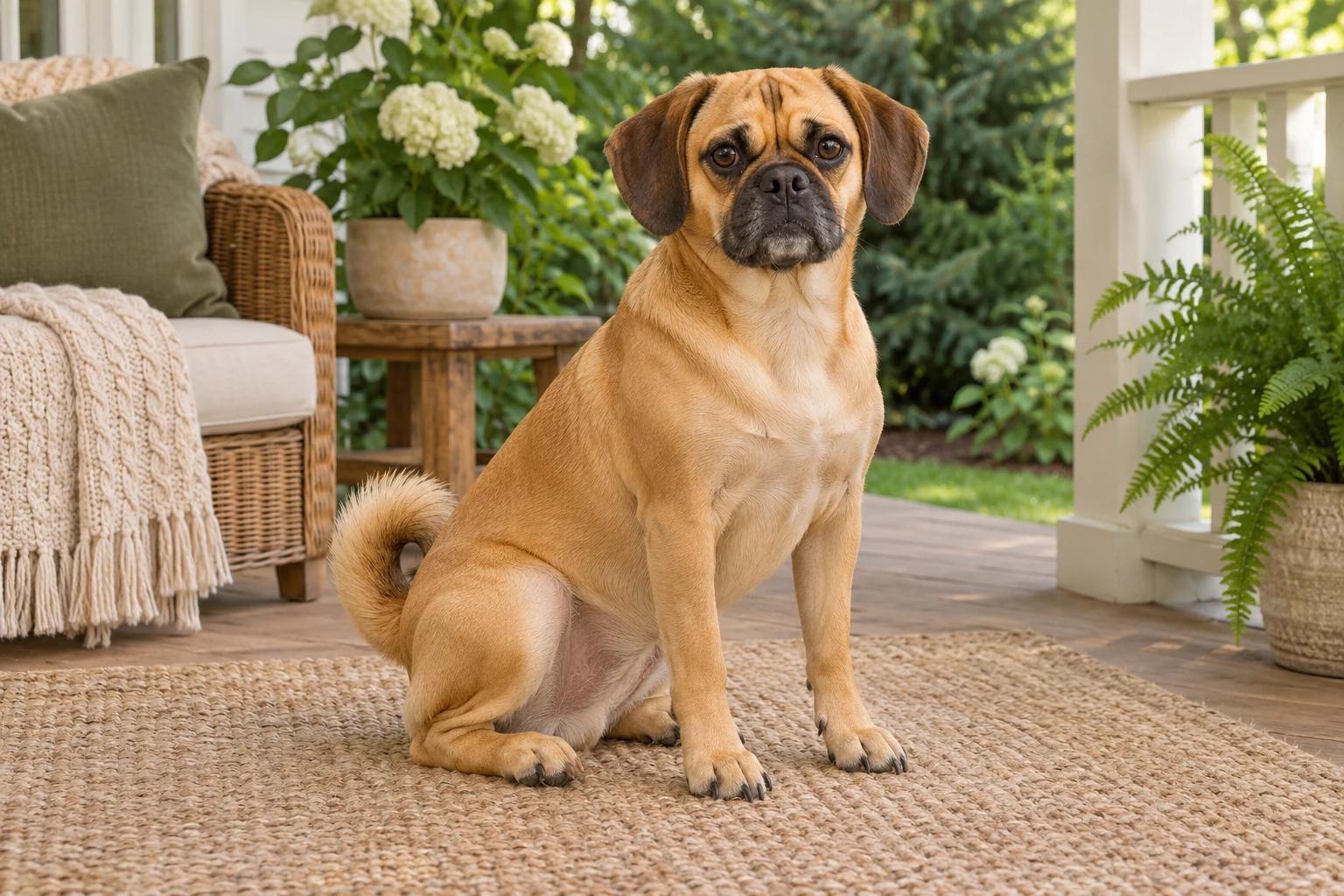
Puggle exercise needs are best approached as a daily planning question, not a contest to cover the most miles. You need time for outdoor access, shared activity and the less visible work of making those outings suitable. A workable routine should fit the individual dog and your actual weekdays, including the days when work runs late or your favourite route is unavailable.
Puggle exercise needs are more than a walk total
The Puggle profile describes daily activity and learning as part of life with this cross. Its broad activity estimate should help you recognise a real time commitment, not become a compulsory stopwatch target. Ask your veterinarian what is appropriate for your dog's age, condition and history before planning demanding activity.
When asking how much exercise does a Puggle need, separate several questions. How often can you provide outdoor access? Which activities does the dog already enjoy? What guidance has its veterinarian given? Who can maintain the routine when you are away?
These answers are more useful than combining an assumed Pug exercise allowance with an assumed Beagle allowance. The Puggle you meet is not a mathematical average of two breed descriptions. Build from its current routine and professional guidance.
Give some walks a different purpose
The AKC guide to sniff walks explains that scent-focused outings prioritise exploration rather than pace or distance. Sniffing provides mental engagement, although it does not automatically replace all other physical activity. A quiet, appropriate location gives you more room to notice what the dog finds interesting.
For your Puggle daily walk, consider whether the route serves the dog or merely connects errands. A pavement beside heavy traffic may be convenient for you but leave little space for a relaxed outing. Scout alternatives before you need them.
Keep control and respect local lead rules. An interesting smell beside a road is not a reason to follow the dog into danger. You remain responsible for choosing where exploration can happen.
You can label routes for your own planning: the straightforward toilet route, the quieter exploration route and the accessible backup. This prevents every departure becoming a hurried decision about where to go.
Make a weekday plan you can actually keep
Start with the immovable parts of your day. Write down when you leave, when you return and who is available in between. Then place the dog's care into the gaps honestly, including preparation, travel and cleanup rather than counting only time spent walking.
For example, an outing before work may require getting equipment ready the night before. A midday caregiver needs access arrangements, current instructions and a way to report what happened. An evening plan needs an alternative when a meeting overruns.
Do not promise a long adventurous walk every day if most weekdays cannot support it. Several clearly assigned opportunities may fit your life better, provided the overall routine meets the dog's needs. Discuss the arrangement with the professionals helping you care for the individual.
Keep weekends recognisable too. A household that disappears for a full day of human activities still needs a dog-care plan. The dog should not depend on everyone remembering the missing arrangements at the last minute.
Include company and learning without constant entertainment
VCA's guidance on predictability and enrichment recommends predictable routines and activities matched to the individual. Mental engagement can include learning and problem-solving, not just physical movement. A qualified trainer can help you choose manageable activities that fit your home.
Ask yourself what you would enjoy teaching regularly. A simple useful household skill may be more sustainable than a complicated hobby bought on impulse. Keep any equipment appropriate to the dog and use it as directed.
Do not assume that a cupboard full of toys amounts to a daily plan. Decide when someone will participate, how the activity will be set up and where it will end. Shared involvement is a task to schedule, not an accessory to purchase.
Leave room for ordinary quiet time as well. The goal is a balanced day, not a household permanently searching for another way to occupy the dog. If you cannot find a workable balance, seek individual advice rather than continually adding more activity.
Judge the outing, not just the distance
When comparing notes about the Puggle activity level, describe what actually happened. A walk with pauses, traffic and unfamiliar dogs is different from the same distance along a quiet path. Distance alone hides those differences.
Useful notes might include the route, conditions, interruptions and anything you want to ask about. Keep the record brief enough to maintain. You are creating context for decisions, not assigning the dog a performance score.
Tell your veterinarian about changes in willingness or ability to participate. Do not dismiss them as laziness or try to solve them by extending the walk. The existing guide to Puggle muzzle-related health claims explains why appearance should not be used as a health certificate.
If the problem is practical rather than medical, name it accurately. A dog walker arriving too late, an unsuitable route or missing equipment requires a different solution from a change in the dog's condition.
Prepare for disrupted days
Have a backup person and explain the routine before you need help. They should know what activities are familiar, which equipment to use and whom to contact with a concern. A rushed handover at the door leaves too much to guess.
Review weather and local conditions before committing to an outing. A route that worked last week may be unsuitable today. Ask your veterinary team about environmental precautions for your dog rather than treating the calendar as the only guide.
If outdoor plans change, contact the caregiver early and adapt the day within the dog's established limits. Do not try to compensate automatically with an unusually demanding session later. Consistency means meeting needs thoughtfully, not paying back imaginary mileage.
Before choosing a Puggle, use the dog match quiz and picture your least flexible weekday. If the routine only works when you have unlimited free time, change the arrangements before bringing the dog home.
FAQ
Is there one correct daily distance for every Puggle?
No. Plan around the individual's current routine and veterinary guidance rather than a universal mileage figure. Include outdoor access, appropriate activity and practical care arrangements across the day.
Does a sniff walk count as useful activity?
Yes. A sniff-focused outing offers mental engagement and some physical activity. It is one possible part of a wider routine, not an automatic replacement for every other activity your Puggle needs.
What if my working day changes unexpectedly?
Use a prepared backup caregiver and share the dog's established routine. Arrange help early instead of assuming one unusually long outing later will resolve the missed care.
Sources behind this article
- AKC: Why Sniff Walks Are So Good for Your Dog ↗
- VCA: Using Predictability, Scheduling, and Enrichment to Train Your Dog ↗
Article source checked: November 15, 2026. Source checked 2026-11-15
Keep reading

Afghan Hound Exercise Needs: Build a Workable Active Day
Read article →