Pug vs French Bulldog: choosing for everyday life
Compare Pug vs French Bulldog through companionship, grooming, training, practical outings and the individual care questions that matter.
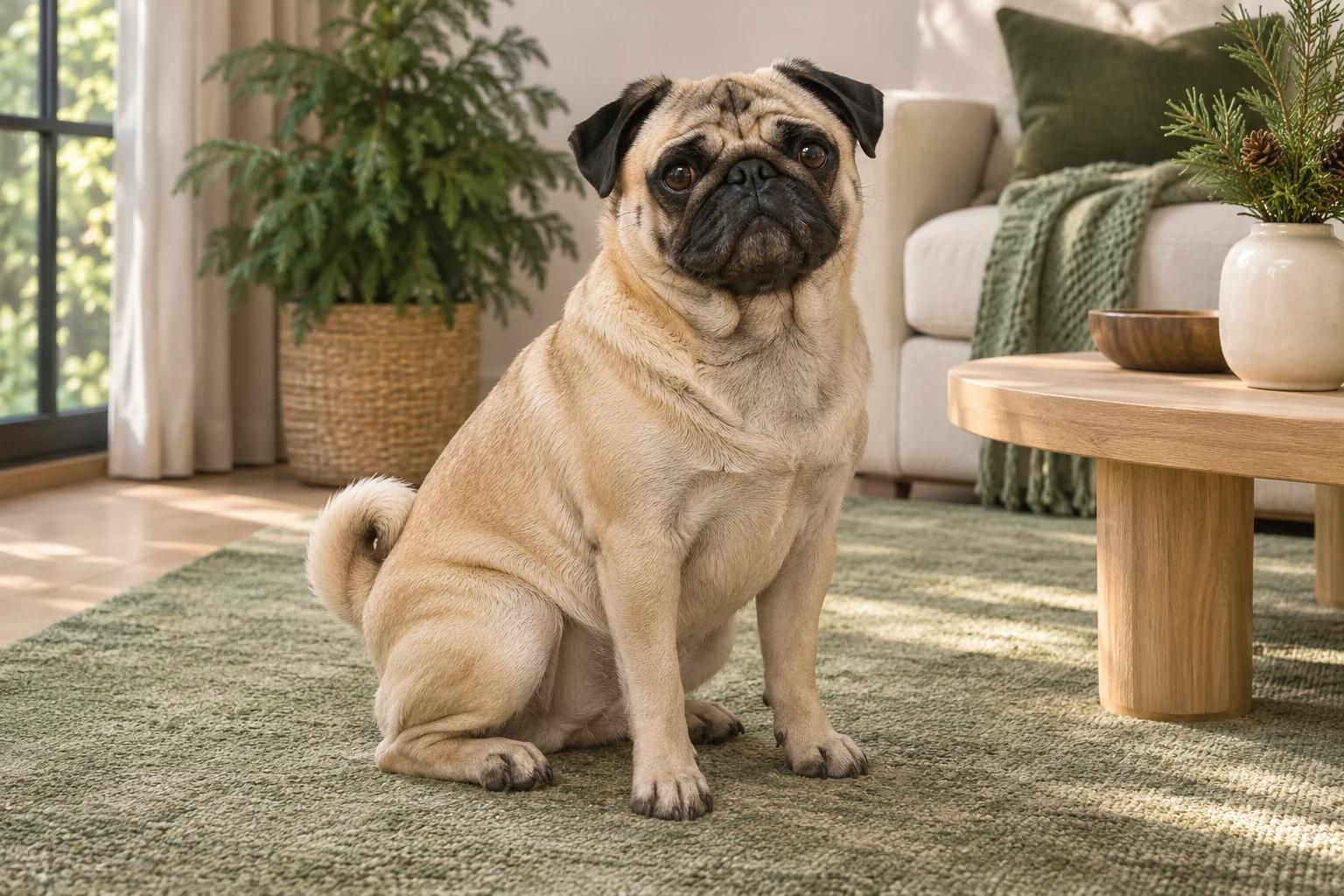
Pug vs French Bulldog is a decision about far more than a favourite face. Both may appeal to someone seeking close companionship in a relatively compact dog, but daily care still takes time, planning and money. Compare how each individual will fit your home, transport, work schedule and willingness to learn. The right choice is not necessarily the dog that looks most entertaining online; it is the one whose needs you can meet consistently.
Pug vs French Bulldog: start with shared responsibilities
VCA's Pug profile describes a playful, affectionate companion. Its French Bulldog profile also emphasises affectionate playfulness and reward-based learning. These similarities make daily involvement a better starting point than a contest over which breed is more amusing.
Read the Pug profile and French Bulldog profile, then move from general descriptions to questions about the actual dogs you may meet. Ask what they do during a normal day, which care tasks are familiar and what situations need support.
Neither label promises a particular response to every person or animal. A pleasant first meeting is useful, but it cannot answer all the questions that arise in a shared home. Ask for history and examples rather than treating a cheerful greeting as a complete assessment.
Size needs a practical interpretation
Both profiles describe compact dogs, but do not assume they occupy identical space or require identical equipment. Measure the individual before selecting a carrier, travel arrangement or resting area. A product marked for small dogs may not fit the dog you bring home.
Consider how you will move through your building and reach outdoor space. Are there stairs, narrow lifts or long corridors? Who can help with transport if your normal arrangement becomes unavailable? These questions matter even when a dog is smaller than many alternatives.
If you are choosing a puppy, allow for uncertainty and growth rather than buying everything for its present dimensions. For an adult, obtain current measurements and discuss handling comfort. Being physically able to lift a dog does not mean it enjoys being picked up repeatedly.
The difference between Pug and French Bulldog fit may become clear through these practical details. Compare the actual candidates against your home instead of deciding that one breed must suit every apartment better.
Plan outings around the dog, not the itinerary
The veterinary profiles flag heat as a concern for both breeds. Ask your veterinarian about suitable activity and environmental precautions for the individual. Neither should be chosen on the assumption that it will automatically accompany every strenuous or warm-weather outing you enjoy.
Think through the less obvious parts of a day out. Travel, waiting, access to a comfortable resting place and a route home can matter as much as the planned walk. A destination being dog-friendly does not establish that it suits your dog in the conditions that day.
If your household's main leisure activity is prolonged strenuous exercise, consider what the dog will do while you participate. Having separate arrangements may be entirely workable, but it needs planning rather than disappointment later.
For a French Bulldog vs Pug decision, ask about existing activity and how it is organised. Avoid turning a comparison into a medical ranking or using a lively demonstration as proof of unlimited capacity. Discuss health records and individual care with your veterinarian.
Compare the work between grooming appointments
The Pug profile places shedding higher than the French Bulldog profile. Both still bring loose hair and cleaning into the household. Consider washable bedding, vehicle coverings and the time you are willing to spend maintaining them.
A short coat is only one part of care. Ask the veterinary team to demonstrate the individual dog's fold-care routine and explain which products, techniques and changes require attention. Brushing and fold care are separate tasks, not interchangeable versions of the same job.
Ask the current caregiver how the dog responds to grooming. Does it tolerate equipment calmly? Are there tasks a professional handles? What should a new owner learn before taking over? These answers are more useful than calling either breed low-maintenance.
If you plan to use a groomer, discuss the dog's needs before the first appointment. Confirm what the service includes and what remains your responsibility at home. Do not assume a salon visit replaces all observation and care between appointments.
Training is part of companionship
Both dogs need clear household rules. Decide what should happen at the door, during meals and when someone sits down to work. A small dog still benefits from being taught what to do rather than being moved around whenever its behaviour becomes inconvenient.
Look for a qualified reward-based trainer who can help you create manageable lessons. Tell them about your home and the situations you want to improve. Training should connect to daily life rather than consist only of tricks you rarely use.
Do not interpret a comparison of training ratings as a fixed timetable. One dog may already understand a routine while another needs a slower introduction. Ask what has actually been taught and where the skill has been practised.
If you share care, agree on the same cues and expectations. A behaviour encouraged by one person and discouraged by another creates avoidable confusion. Your consistency is more useful than deciding in advance which breed ought to be easier.
Make room for company and time apart
Before choosing a Pug or French Bulldog, consider how much of the day the dog will spend with people and how necessary absences will work. Ask about the individual's experience rather than relying on a general companion label.
Home working can be helpful without solving every care need. Meetings, appointments and travel still happen. Identify a backup caregiver and introduce the arrangement before it becomes urgent. A dog that knows only one person's routine may need preparation for a change.
Discuss other animals and children honestly with the breeder or rescue. Adults must supervise interactions and protect the dog's resting space. No playful reputation establishes automatic suitability for every family or every existing pet.
Make household responsibilities explicit. Who provides the early outing, handles cleaning, organises appointments and stays home when plans change? Agreement on the unglamorous tasks is an important part of choosing a companion together.
Choose with records and realistic expectations
Ask for relevant health and care records, then review their meaning with your veterinarian. Do not treat a document, price or coat colour as a guarantee. Compare what is known about each dog and what still needs assessment.
For a separate discussion of measurements, read Pug weight and body condition. Keep that topic distinct from this choice about daily life. Neither a number on a scale nor an appealing photograph can decide the whole match.
Use the dog match quiz to organise your priorities. Then test them against your diary, home and budget. If neither dog's care needs fit comfortably, reconsidering the shortlist is a thoughtful outcome rather than a failure to choose.
FAQ
Which breed is guaranteed to be easier for a first owner?
Neither breed offers that guarantee. Compare the individual dog's history, care requirements and training with the support you can access. A realistic routine matters more than a general easy-dog label.
Is either breed free from grooming work?
No. Both need ongoing care and household cleaning. Ask about the actual coat, handling and fold-care routine, and learn which tasks belong with a groomer or veterinary professional.
Should I decide from photographs alone?
No. Photographs cannot show how a dog manages care, time apart or your daily environment. Ask detailed questions, review records and arrange appropriate meetings before making a commitment.
Sources behind this article
Article source checked: November 15, 2026. Source checked 2026-11-15
Keep reading

Affenpinscher vs Brussels Griffon: Everyday Differences
Read article →