Portuguese Water Dog exercise needs: a balanced day
Plan Portuguese Water Dog exercise needs with purposeful walks, shared games, learning and rest rather than relying on a single daily mileage target.
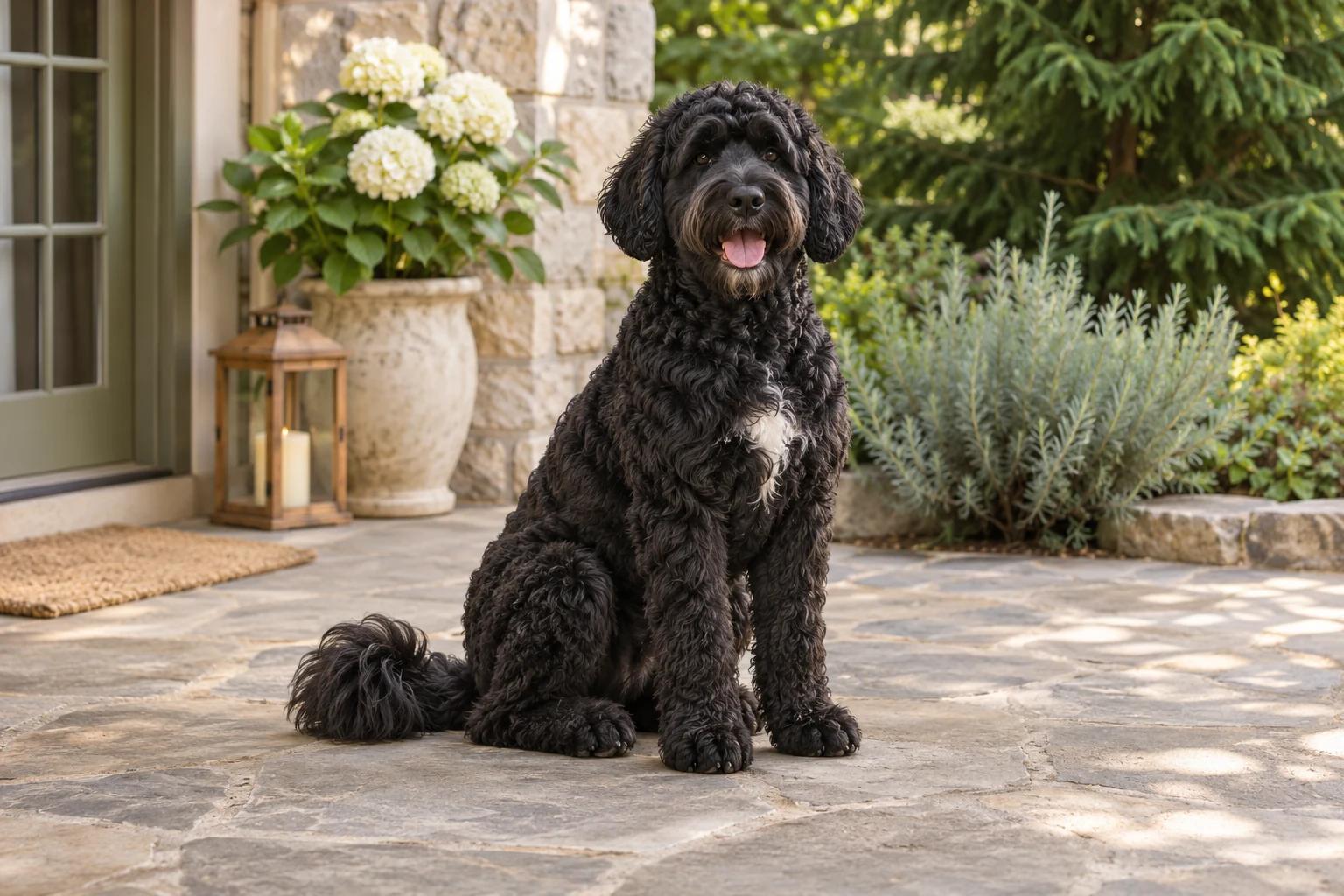
Portuguese Water Dog exercise needs are easier to meet when you plan a varied day instead of searching for one perfect distance. Walking, playing, learning and resting each have a place. The aim is not to keep adding activity until the dog cannot move, but to provide an appropriate routine that you can repeat. Start with the dog’s current experience, your available time and advice suited to its age and health.
Portuguese Water Dog exercise needs beyond a stopwatch
The Portuguese Water Dog Club of America’s care resource emphasises both physical and mental exercise, preferably involving the owner. That distinction is useful: a dog can spend time outdoors without receiving much interaction, and a long walk is not the only form of engagement.
The breed profile describes about an hour of active time as part of a typical day. Treat that as a broad planning reference, not an instruction for every puppy, older dog or dog with a health condition. Your veterinarian can help you choose appropriate activity and progression for the individual.
When asking “how much exercise does a Portuguese Water Dog need?”, include the kind of activity and the setting. A quiet exploratory walk, a busy training class and repeated fast play are different experiences even if they occupy the same amount of time.
Give the morning outing a clear purpose
A useful Portuguese Water Dog daily walk might begin with a calm departure, include opportunities to explore and finish with an unhurried return. Choose a route where you can adjust distance or turn back without being committed to a large loop.
Before leaving, check the equipment and decide what you will practise. One small goal is enough: pausing at the door, walking a short stretch without pulling or responding to a familiar cue in a manageable location. Do not turn the whole outing into a continuous examination.
Allow appropriate investigation as well. A walk is a shared activity, not simply transportation at your preferred speed. Notice which places are comfortable and which make attention difficult, then use that knowledge when planning the next route.
If another person provides the outing, share the purpose and the current limits. “A relaxed local walk with brief practice at the gate” is clearer than “tire the dog out.” It also makes it easier to compare how the dog responds to different caregivers.
Add a game with an understandable finish
The club’s breed standard describes a working dog with stamina and a spirited disposition. That background is not a reason to make every game faster or longer. Choose a form of play you can manage calmly and end clearly.
For example, practise bringing a suitable toy a short distance in a secure area, with a pause between repetitions. Keep the surface and space appropriate, and avoid launching objects into hazards or encouraging uncontrolled collisions. If you are unsure about the physical demands, ask your veterinarian or a qualified instructor.
A simple search for a suitable toy can provide a different kind of task. Begin with an easy location the dog can find, then change one element at a time. The point is shared exploration, not making a puzzle so difficult that the dog becomes frustrated.
Put the equipment away at the end and transition to a quieter activity. If everyone keeps restarting the game, the dog receives a different message from the one you intended. Agree on the routine with the whole household.
Use learning as part of the activity plan
Portuguese Water Dog activity level is not only about physical movement. Short teaching sessions can fit into practical moments: waiting while equipment is prepared, moving to a mat or returning attention before a door opens. These skills also make later outings easier to organise.
Choose rewards and steps the dog understands. When a task is new, reduce distractions and keep the session brief enough to remain productive. Add difficulty gradually instead of expecting performance in a busy park because it happened once in the kitchen.
Keep a record of one useful achievement and one next step. This prevents training from becoming an endless rotation of unrelated tricks. It also helps another household member practise the same version of the skill rather than unintentionally changing the criteria.
A class may provide structure if the instructor and setting suit the dog. Ask how sessions are managed and whether you can observe before enrolling. The class should help you learn how to practise at home, not merely occupy an hour on the calendar.
Water is an option, not an obligation
The breed’s name does not mean that every individual is ready for open water. If water activities interest you, seek suitable instruction and evaluate the location, conditions, access and equipment. Do not throw or push a dog into water to test an assumed ability.
Keep introductions voluntary and manageable. A dog that chooses to remain on shore is giving you information, not failing a breed requirement. Land-based activity can still be part of a satisfying routine while you learn more about its preferences.
Plan the return as well as the outing. Wet coats, equipment and car surfaces need attention. Make time for appropriate cleanup and drying rather than ending the schedule at the moment the dog leaves the water. For coat terminology, see the separate article on Portuguese Water Dog coat types and clips.
Prepare for days that do not go to plan
Weather, work and your own health can interrupt the usual routine. Keep a small selection of lower-key indoor activities ready, and arrange help for situations that last longer than a brief disruption. Do not make a single long weekend outing responsible for the whole week.
After activity, provide somewhere quiet to rest. Notice the dog’s response over time rather than interpreting every restless moment as a need for more exercise. Discomfort, overstimulation, unmet care needs or a confusing routine may require a different response.
Stop an activity that appears uncomfortable and seek veterinary advice about limping, unusual fatigue or other concerning changes. Do not use an online breed target to override what you observe in front of you.
For a prospective owner, test the schedule before bringing a dog home: walk the proposed route, allow time for cleanup and identify who can help. The dog match quiz can frame the decision, but the calendar shows whether the commitment is realistic.
FAQ
Is one long walk enough each day?
A single walk does not describe the whole routine. Consider suitable movement, learning, interaction and rest across the day. The right balance depends on the individual dog, and health or age-related questions should be discussed with your veterinarian.
Must a Portuguese Water Dog swim for exercise?
No. Do not force swimming because of the breed name. Suitable land-based activities can form part of the routine, while any water introduction should be voluntary, carefully managed and appropriate to the dog and conditions.
Should I keep increasing exercise if my dog is restless?
Not automatically. Review the whole day, including rest, clarity and possible discomfort. Seek professional guidance for persistent difficulties or concerning changes instead of assuming that more intense activity is always the answer.
Sources behind this article
- Portuguese Water Dog Club of America: Puppy Resource Kit ↗
- Portuguese Water Dog Club of America: AKC Breed Standard ↗
Article source checked: November 15, 2026. Source checked 2026-11-15
Keep reading

Afghan Hound Exercise Needs: Build a Workable Active Day
Read article →