Poodle toy vs maltipoo: compare the daily partnership
Compare Toy Poodle and Maltipoo ownership through learning, company, coat care and practical questions about the individual dog.
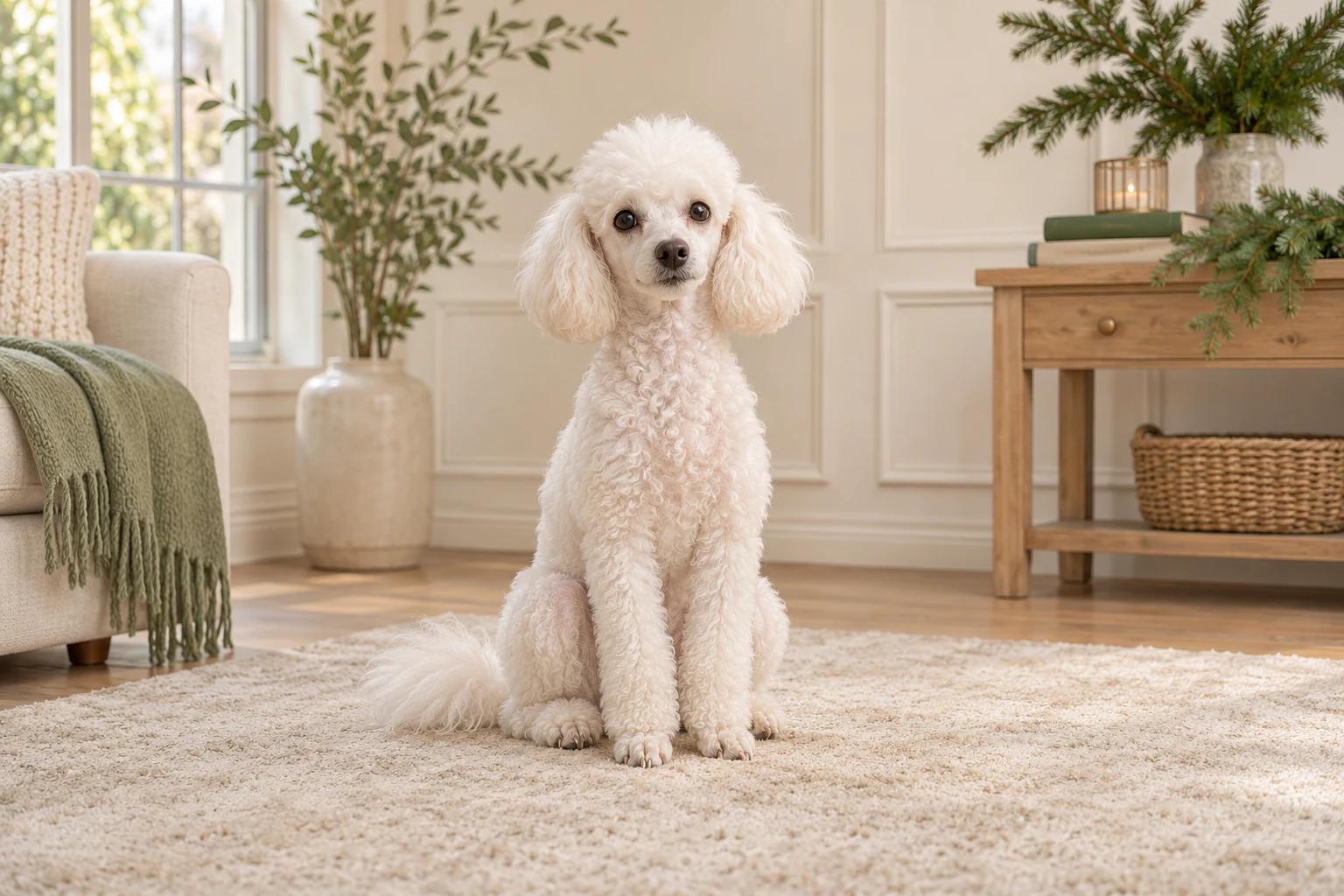
Poodle toy vs maltipoo is not a contest between two photographs of small, appealing companions. The useful comparison is between the relationships and routines you are considering. What information is available about each dog? Which care tasks would you enjoy, and which would be difficult to sustain?
A Toy Poodle is a Poodle variety; a Maltipoo combines Maltese and Poodle ancestry. VCA's guide to designer dogs identifies that cross and explains that inherited traits can vary. Neither description tells you everything about an individual puppy or adult.
Poodle toy vs maltipoo: compare evidence, not promises
Start with the Toy Poodle profile and Maltipoo profile, then make two columns for the actual dogs you are considering. Record what is known about their daily lives. Leave room for unanswered questions rather than awarding points based only on breed reputation.
The Canadian Kennel Club describes the Toy Poodle as an intelligent, responsive companion. That is a reason to ask about learning and interaction, not to assume a Toy arrives with manners. For either candidate, request examples of familiar cues, preferred games, and routines still being learned.
The important difference between poodle toy and maltipoo ownership is not necessarily visible on meeting day. With either dog, useful information includes its background, current care, and observed responses. With a Maltipoo, ask what is known about the actual parentage rather than imagining that the name specifies an exact mix of characteristics.
Compare a working Tuesday
Write a realistic weekday before selecting a favorite. When can you provide an outdoor break? Who is present between breakfast and lunch? What happens if your return is delayed? The same schedule should be used for both columns so that one dog is not being judged against an ideal day and the other against reality.
The breed profiles describe meaningful needs for company and activity in both cases. Do not assume the Maltipoo is the effortless option or that the Toy Poodle can live as a decorative passenger. Ask each caregiver how the dog currently spends the hours when people are busy.
If you work from home, include the moments when you are physically present but unavailable. A dog resting nearby during a call is a different arrangement from a dog being entertained throughout it. Decide where a bed could go and who would handle an unexpected interruption.
For an adult, ask about established routines in settings comparable to yours. For a puppy, ask what has actually been introduced so far. Neither a seller's optimism nor your own enthusiasm should replace a care plan for the first weeks.
Learning: compare your interest with their experience
A maltipoo vs poodle toy search often hides a more personal question: “Which dog will be easier for me?” Replace easy with specific tasks. Do you enjoy teaching a new behavior? Can you repeat an instruction consistently? Would you attend a suitable reward-based class if you needed help?
Observe the dog with its familiar caregiver. Ask them to demonstrate something ordinary, such as attaching the lead or moving to a resting place. Watch the explanation as well as the result. You need to understand how to continue the routine after the handover.
Avoid making the first meeting a competition. One dog may have more experience, be more rested, or feel more comfortable in that setting. A puppy failing to perform for a stranger does not establish poor potential. Likewise, an impressive trick does not tell you how the dog handles a noisy hallway.
Write down what you would need to learn as the owner. That list may be more useful than ranking the dogs. A strong match includes a human who is willing to practice, not simply an animal described as trainable.
Coat care is a practical commitment on both sides
Compare what the current caregiver actually does, not just how the coat looks after an appointment. Ask to see the tools and hear which parts of the routine need skill or assistance. A neat photograph can conceal work that you have never tried.
For a Maltipoo, ask about this dog's coat rather than assuming every dog with the same cross name has the same texture. For a Toy Poodle, ask how the current coat is maintained and what you would need to learn. Neither column should say no grooming simply because the dog is small.
Arrange a conversation with a suitable groomer before committing to a demanding appearance. Explain your handling experience and any physical limitations. The question is not which dog wins on looks, but which actual maintenance arrangement you can support.
Do not treat either coat description as an assurance about allergies or individual suitability. If that is a concern in your household, seek appropriate professional advice rather than making a decision from marketing terms.
Noise and visitors need individual questions
Both profiles flag frequent vocal behavior as something to consider. Ask what prompts barking in each current home: arrivals, activity outside, excitement, or time apart. Request a recent example and the caregiver's response.
Then compare those situations with your address. A dog used to a quiet detached home may encounter a different daily pattern beside a shared lift. That is a planning issue, not a reason to assume either name guarantees quiet apartment living.
For visitors, ask how the dog prefers to approach new people and whether it can move away. Avoid testing friendliness by reaching over or picking up an unfamiliar small dog. A thoughtful introduction gives you more useful information than demanding an immediate cuddle.
Choose the relationship you can support
If you are deciding “poodle toy or maltipoo,” look for the candidate whose known needs match your actual resources and interests. A clear care history, useful observations, and realistic support matter more than a polished promise that the dog will suit everyone.
Keep physical dimensions as a separate topic. Our Toy Poodle measurements article covers size descriptions without making them the deciding factor here. Use the dog match quiz to examine your routine, then return to the unresolved questions in your two columns before choosing.
FAQ
Is a Maltipoo always easier than a Toy Poodle?
No name can establish that for your household. Compare the actual dog's routines, learning experience, handling needs, and response to time apart. Then consider whether you can provide the care and teaching required. Easy is meaningful only when you explain which daily tasks you mean.
What should I compare during a first visit?
Ask the caregiver to demonstrate an ordinary routine and describe recent situations involving visitors, rest, and household sounds. Let the dog approach without forcing contact. Record observations alongside context instead of treating one performance as a permanent personality test.
Which should I choose if grooming worries me?
Speak with a groomer about the individual dog's coat and your ability to maintain it. Ask for a demonstration rather than relying on appearance or a generic breed claim. Choose only when you understand the tasks and have a workable arrangement for the parts you cannot manage yourself.
Sources behind this article
Article source checked: November 15, 2026. Source checked 2026-11-15
Keep reading

Affenpinscher vs Brussels Griffon: Everyday Differences
Read article →