Pont Audemer Spaniel size: planning for an adult dog
Understand Pont Audemer Spaniel size, height and weight references, then use real measurements to plan equipment and space.
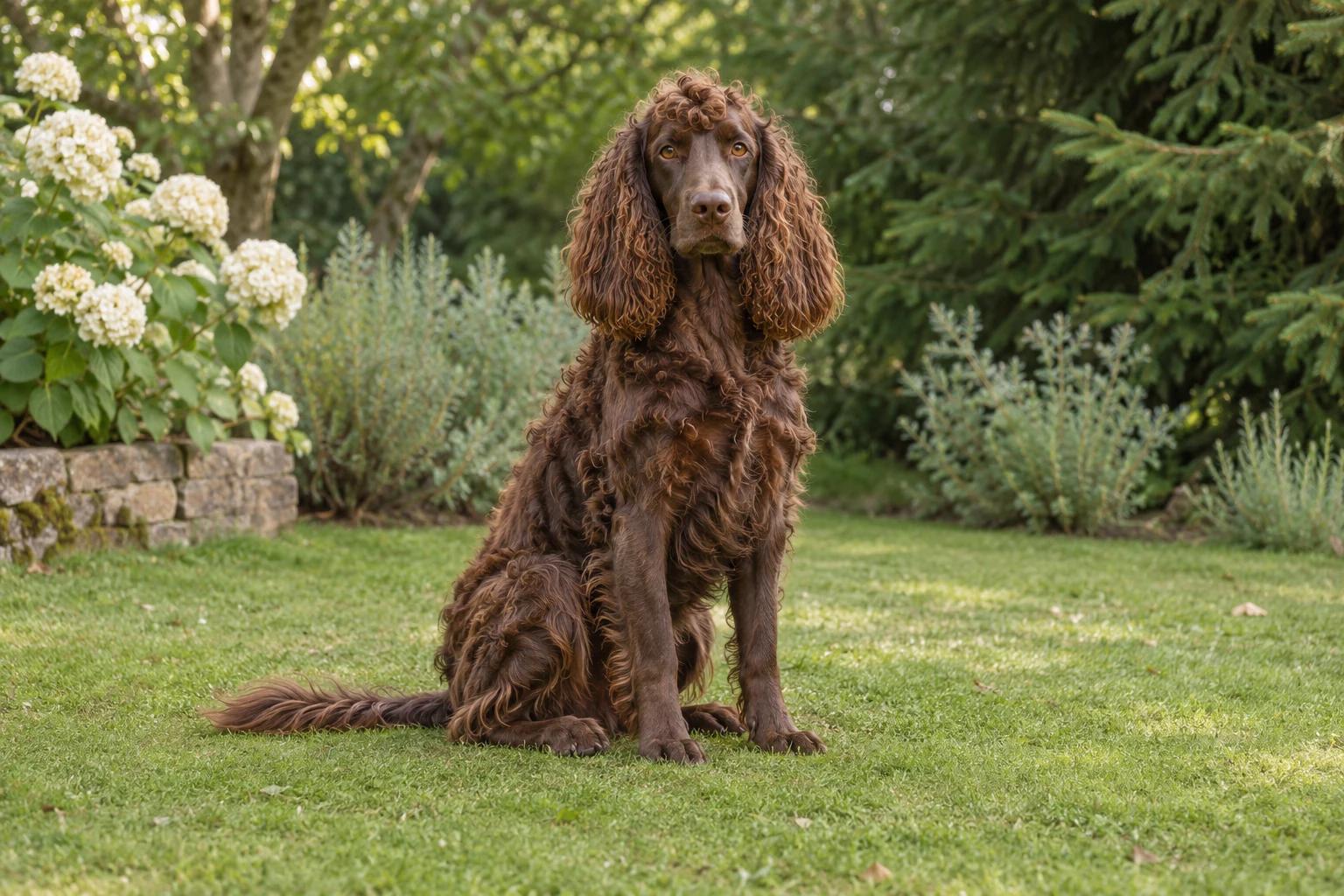
Pont Audemer Spaniel size is best understood with a tape measure and an adult dog in mind, not a close-up of a puppy's curls. This is a substantial companion whose practical needs include room to rest, suitable travel arrangements and equipment fitted to its own body. A breed range helps you begin planning, but it cannot complete those jobs for you.
The Pont-Audemer Spaniel profile lists an adult height of roughly 20–23 inches. Its weight references are 38–48 pounds for males and 33–40 pounds for females. Use those as broad planning information rather than targets for a particular dog.
Pont Audemer Spaniel size: what the numbers describe
For planning here, use the live profile's roughly 20–23-inch adult reference. UKC measures breed height at the withers, meaning the shoulder area, rather than the tips of the ears or the top of a raised head. The FCI description adds context about the breed's stocky build. FCI standard; UKC standard.
That distinction matters when you compare equipment. A dog can stand a certain height at the shoulder while needing more vertical room to hold its head naturally. Similarly, shoulder height alone says little about the floor space needed to turn or lie comfortably.
If you are asking “how big do Pont Audemer Spaniels get,” start with those adult references and then ask for the dog's own measurements. For a puppy, request information about its parents and other adult relatives where available. That adds context, but it does not turn an estimate into a guarantee.
Record measurements with their purpose
Keep height, body length and relevant circumference measurements in separate fields. Write the units clearly and date the record. A note that simply says “twenty-two” is easy to misunderstand months later or when another family member orders equipment.
Follow the measuring instructions for the specific item you are considering. If the manufacturer asks for chest circumference, do not substitute a breed weight range. If you are unsure where to measure, ask a knowledgeable professional to demonstrate rather than guessing beneath the coat.
Weight is not a description of body condition
Pont Audemer Spaniel weight references help with broad logistics, but a number alone does not tell you whether an individual dog is at an appropriate weight. Ask your veterinarian to assess the dog and explain what you should monitor. Do not change feeding simply to make the scale agree with a breed chart.
The coat can also make visual guesses unreliable. Compare records taken in a consistent way rather than trying to estimate weight from photographs. If you are tracking a growing dog, bring the dated records to veterinary appointments so they can be interpreted alongside the dog's development.
For equipment with a load limit, use a current measured weight and the manufacturer's guidance. Remember that a weight rating is only one part of suitability. An item may support the load while still being the wrong shape or dimensions for the dog.
Plan resting space in the room, not just on paper
Before buying a bed or crate, identify where it will actually go. Leave enough room for people to pass without stepping over the dog and for doors to open normally. Check whether the location becomes busy during meals, visitors or the school run.
Use a temporary outline on the floor to understand the footprint of a proposed item. This does not tell you whether it fits the dog, but it tells you whether it fits the room. Include the space needed to open an enclosure door or remove bedding, not just the outside measurements of the base.
Ask the current caregiver what sleeping arrangement the dog knows. If you intend to change it, plan an introduction rather than assuming a new piece of equipment will immediately become a comfortable resting place. Size and familiarity are separate parts of the decision.
Think through transport before collection day
A medium-sized dog may fit in your vehicle while the planned restraint or enclosure does not. Measure the usable area and check how the equipment will be installed. Consider the entrance opening as well as the interior, especially when a rear hatch slopes or seats limit access.
Do a practice setup without the dog first. Can you reach the fastenings? Can another person operate them? Where will luggage go without crowding the dog or interfering with the arrangement? Sorting this out in the driveway is easier than improvising at collection time.
If you will use a transport service, share actual measurements and confirm its requirements directly. Do not rely on the word “spaniel” to communicate size. Keep a copy of the information you supplied so everyone is working from the same record.
Prepare for growth without buying every adult item early
A puppy's equipment needs will change. Prioritize items that fit now and can be checked regularly, rather than choosing something loose in the hope it will last longer. Ask how to recognize when an adjustment or replacement is needed.
Make a small review list for the items most likely to become unsuitable: walking equipment, resting arrangements and travel equipment. Add a check to an existing routine so it does not depend on remembering after the dog has already outgrown something.
Do not create a deadline for achieving adult measurements. Growth information is best discussed with the veterinarian who can assess the individual dog. Family measurements provide context, while the dog's own records show what is actually happening.
Put size beside the rest of ownership
A Pont Audemer Spaniel height range cannot tell you whether the breed fits your life by itself. Room layout, outdoor access, time for activity and handling arrangements matter too. A large room with no dependable care plan is not necessarily more useful than a smaller, thoughtfully arranged home.
For the breed's distinctive appearance, see our topknot and ear-curl article. For a broader look at your preferences, use the dog match quiz. Keep size as one practical part of your decision, then meet the individual whose needs you will be supporting.
FAQ
How tall is an adult Pont-Audemer Spaniel?
The My Breed Atlas profile lists roughly 20–23 inches for adult shoulder height. Measure the individual dog for practical decisions, and do not confuse shoulder height with the clearance needed above its head.
What should my Pont-Audemer Spaniel weigh?
The breed profile provides broad adult weight references, not an ideal weight for every dog. Ask your veterinarian to assess body condition and interpret the dog's measurements. Do not feed toward a chart number without that context.
Can I buy equipment using the breed name alone?
No. Use the individual dog's current measurements and the manufacturer's fitting instructions. Weight limits, internal dimensions and room layout can all matter. Recheck fit as a puppy grows or an adult dog's needs change.
Sources behind this article
Article source checked: November 15, 2026. Source checked 2026-11-15
Keep reading
Pont Audemer Spaniel temperament: life beyond the curls
Read article →