Pomeranian vs Chihuahua: choose for everyday life
Compare Pomeranian and Chihuahua routines, coat commitments, handling and home setup before choosing an individual dog.
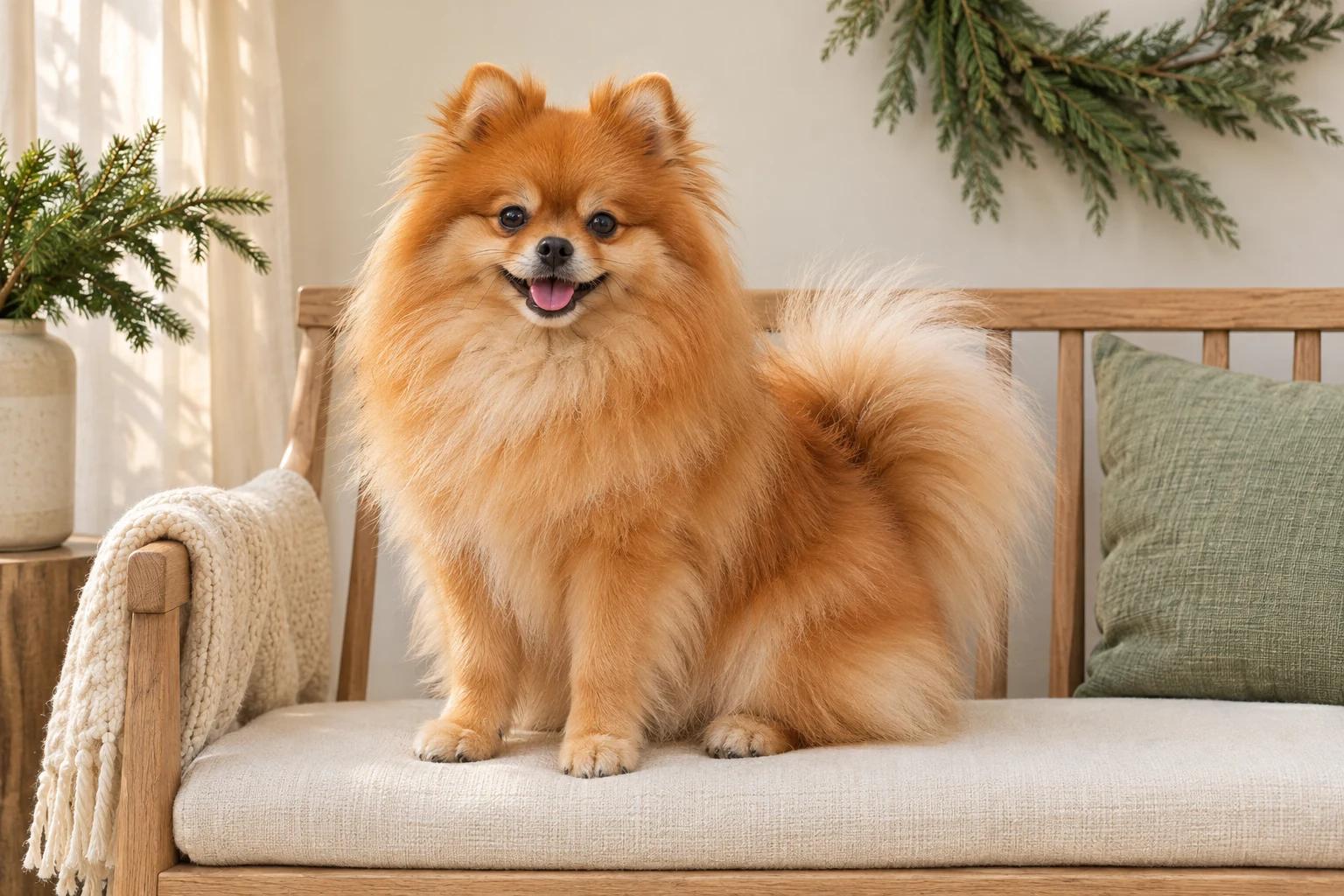
Pomeranian vs Chihuahua is less a contest between two tiny dogs than a choice about the ordinary days you want to share. Both can fit physically into a small home. Neither arrives knowing how to handle a busy hallway, a visitor at the door or your working hours. Start with the care you can reliably provide, then meet dogs whose actual routines fit it.
The Pomeranian profile and Chihuahua profile are useful companions to this comparison. Read them before visiting a breeder or rescue, and take questions about a particular dog rather than asking which breed wins overall.
Pomeranian vs Chihuahua: the visible differences
The Pomeranian standard describes a compact, square outline, a substantial double coat and a heavily plumed tail. Its stated weight range is 3–7 pounds. Those features give a Pom a very different silhouette from a smooth-coated Chihuahua, even where their weights overlap. AKC Pomeranian standard.
The Chihuahua standard describes a slightly longer-than-tall body and recognizes both smooth and long coats. It specifies a weight not exceeding six pounds. A long-coated Chihuahua can have a ruff and feathering, so “fluffy versus short-haired” is not an adequate way to identify the two breeds. AKC Chihuahua standard.
Treat those standards as descriptions, not shopping targets. Ask for the measurements of the dog you are meeting. A carrier needs to accommodate the dog's body and natural position, not merely display a weight rating that sounds suitable. Check the openings in gates and the route through your home at dog level as well.
Look beyond the photograph
If you are comparing puppies, ask to see recent, ordinary photographs of adult relatives where available. A posed puppy picture cannot show an adult grooming routine or how the dog moves through a room. If you are meeting an adult, notice the practical details: the equipment currently used, where the dog rests, and how the caregiver prepares for an outing.
Write down which features are preferences and which affect your ability to provide care. Liking a full coat is a preference. Being willing to maintain it is a commitment. Keeping those columns separate makes the choice clearer.
What the coat changes in your calendar
A Pom's coat deserves a planned place in the week, not whatever attention remains after a walk. Our existing Pomeranian coat-care guide explains how to turn a groomer's demonstration into a home routine. Here, the comparison question is simpler: will you still want that routine when work is busy?
For a Chihuahua, first establish which coat the individual has. Ask the current caregiver to show you the tools they use and how the dog responds. Do not assume that choosing a smooth coat removes every care task. Nails, handling practice, equipment fit and veterinary care still belong on the calendar.
Before deciding, make a realistic list of who will do each job. If you expect to use a groomer, include travel, booking and collection time, not just the appointment price. If two people share care, decide where notes and supplies will live. Otherwise, a job can be missed because each person thinks the other completed it.
Compare their real responses, not personality slogans
The standards portray both dogs as alert. The Pom is also described as inquisitive and outgoing; the Chihuahua description emphasizes confidence and a terrier-like attitude. These broad portraits are starting points for questions, not a reliable forecast of how two specific dogs will behave in your kitchen. Pomeranian standard; Chihuahua standard.
For a useful Chihuahua vs Pomeranian meeting, ask the same concrete questions about each candidate. What happens when a delivery arrives? How does the dog respond when a familiar person leaves? Which situations currently need extra space or careful management? Ask for examples from the last ordinary week, rather than accepting “friendly” or “independent” as a complete answer.
Watch without trying to manufacture a test. You do not need to startle the dog, take away possessions or insist on holding it. A calm visit with the caregiver present can tell you more about the normal relationship than an improvised challenge.
Does your home work for a small dog?
Small size is only one part of apartment suitability. Think through the trip from the sleeping area to the outdoor toilet location. Does it involve a lift, busy lobby or several doors? Who can make that trip during your workday? Where could the dog wait while you unload shopping without being underfoot?
Noise deserves a plan for either candidate. Ask about known triggers and choose a resting area that does not force the dog to watch every passerby. In a shared building, find out whether there is a quieter exit and whether visitors can announce themselves before arriving at your door.
A small dog also needs people to notice its presence. Agree on household rules about open doors, moving chairs and greeting the dog. If children visit, plan adult supervision and a retreat that visitors leave alone. Selecting a breed cannot replace arranging the room and teaching people how to interact.
Pomeranian or Chihuahua: a practical decision exercise
Imagine a wet Tuesday rather than a sunny weekend. Write out your departure time, outdoor access, care coverage and evening availability. Add the dog's current routine beside yours. Highlight gaps that require another person, a changed habit or a service you have not yet arranged.
Then compare two actual candidates against that page. One might already have experience of a building like yours. Another might need a transition you cannot currently support. This is often more informative than trying to rank two breeds by intelligence, affection or ease.
Use the dog match quiz to organize your priorities, but keep the final conversation specific. The difference between Pomeranian and Chihuahua ownership should become a list of jobs you understand, not a promise that one will be effortless. Choose the individual whose needs you are ready to meet, including on the uneventful days.
FAQ
Is a Pomeranian always larger than a Chihuahua?
No. The breed standards' weights overlap, and individual dogs differ. Measure the actual dog for carriers, bedding and equipment rather than choosing from the breed name alone.
Which is easier to groom?
Compare the individual coats and the demonstrated routines. A Pomeranian's full double coat is a real maintenance commitment, while Chihuahuas have smooth and long coat varieties. Ask what work you will need to repeat at home.
Which should I choose for an apartment?
Choose by the dog's observed behavior and your building's practical demands. Outdoor access, hallway traffic, time alone and noise management matter alongside size. A conversation about an actual dog's current routine is more useful than a general apartment ranking.
Sources behind this article
Article source checked: November 15, 2026. Source checked 2026-11-15
Keep reading

Affenpinscher vs Brussels Griffon: Everyday Differences
Read article →