Petit Basset Griffon Vendéen Size: Adult Planning
Learn Petit Basset Griffon Vendéen size and use height, weight, and individual measurements to plan transport, equipment, and home space.
Explore the
Petit Basset Griffon Vendéen
Background, care, and everyday considerations.
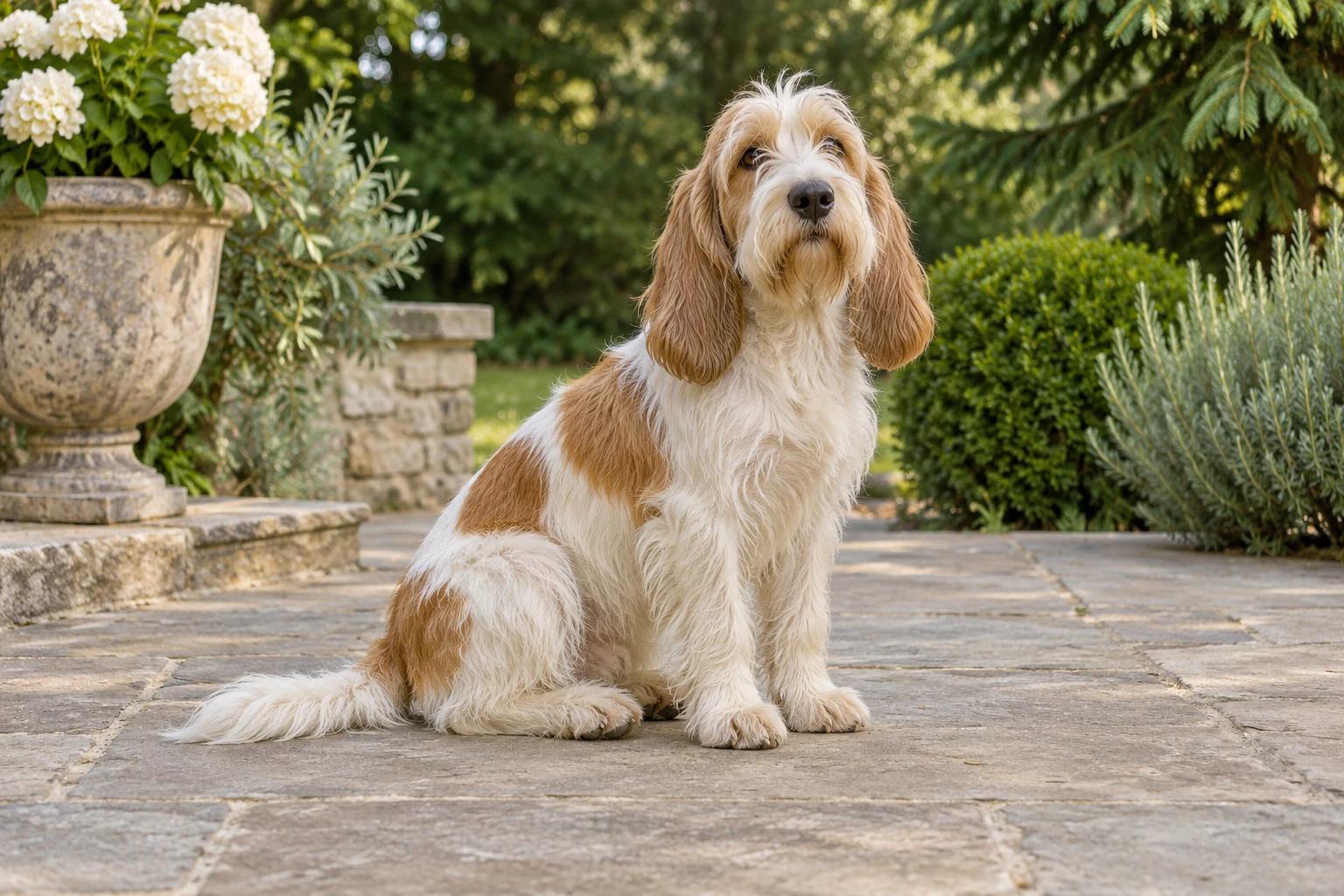
View breed profile →Petit Basset Griffon Vendéen size places a substantial little hound fairly close to the ground: the adult reference is 13–15 inches at the shoulder, with a weight range of 25–40 pounds in the My Breed Atlas profile. That is useful for an initial picture, but it is not enough to choose every item of equipment. Plan around the individual dog's measurements and daily activities rather than treating petit as a promise of toy-dog logistics.
Petit Basset Griffon Vendéen size: read the numbers properly
The breed club's posted standard gives the 13–15-inch measurement at the withers. Withers means the shoulder area, not the top of the head or ears. The PBGV profile supplies the broader ownership reference, including adult weight. Neither number should be used as an individual feeding target.
The American Kennel Club introduction identifies a small French hunting hound. Keep both parts of that description in mind. Small describes scale; hound helps explain why your planning needs to include outings and secure handling rather than only the dimensions of a dog bed.
If someone gives you a measurement, ask when it was taken and whether the dog was still growing. Record units clearly. Confusing pounds and kilograms or head height and shoulder height can create an expensive equipment mistake long before it becomes obvious in person.
Height is not a harness size
Petit Basset Griffon Vendéen height gives a standing reference, but a harness manufacturer may ask for chest and neck measurements instead. Use the requested measurements in the way the maker specifies. Do not order the size called small simply because the breed introduction uses that word.
Arrange a fitting where possible. Watch how the equipment sits while the dog stands and moves, and ask a knowledgeable fitter to check it. A photograph can help you remember an adjustment, but it is not a substitute for evaluating the actual fit.
For a puppy, make the purchase with growth in mind without choosing something so large that it cannot fit now. Write the measurement date beside the receipt and note the adjustment range. Put a reminder in your own care calendar to review fit, rather than relying on the day you happen to notice that the equipment looks different.
The rough coat can make a quick visual judgment less straightforward. Measure the dog as directed instead of estimating from the outer outline. Ask for help if you cannot obtain a calm, useful measurement.
Weight matters when people handle the dog
Petit Basset Griffon Vendéen weight deserves consideration if your plan involves lifting the dog regularly. Think about your own physical ability, the height involved, and whether another arrangement would be more practical. Do not assume that a short dog will always be easy to pick up and carry while holding bags or opening doors.
Discuss suitable handling with your veterinarian if lifting is part of a necessary care routine. Have a plan for transport when the dog is unwell rather than improvising during a stressful moment. This is a household logistics question, not a reason to try lifting a dog that is uncomfortable being handled.
For equipment with a rated capacity, check the actual manufacturer's limits. A breed's average weight does not certify a carrier, table, or restraint for your individual dog. If you are near a stated limit, resolve the uncertainty before purchase instead of assuming a small difference will not matter.
Buy resting space, not a label
Before choosing a bed, watch how the dog normally rests. Some curl up for one part of the day and stretch out for another. Measure the usable area you need, then compare it with the actual interior of the product. Thick bolsters can make a large-looking bed less spacious than its external measurements suggest.
Place a paper outline where the bed will go. Check whether doors open, people can pass, and the dog will be disturbed whenever someone reaches a cupboard. A spot that looks generous in an empty room can become a busy walkway during normal life.
The same principle applies to a crate or travel enclosure. Ask for appropriate fitting guidance and check usable interior space, not only the product's headline dimensions. Then verify that the equipment itself fits the vehicle or room in which it will be used.
Plan the loading routine in advance
Car space involves more than the footprint of an enclosure. Measure the door opening and consider how you will load it, secure it, and reach the dog when needed. Include the luggage, groceries, or other passengers that will normally share the journey.
Try the equipment arrangement without the dog first. If it only works when one person holds a door at an awkward angle while another forces the item through, reconsider the setup. The best solution is one you can manage calmly on an ordinary day, not a feat you can perform once with several helpers.
If somebody else will transport the dog, demonstrate the arrangement. Give them the actual equipment and instructions rather than a note saying that the dog is small. A sitter's car may have a very different opening and layout from yours even if both vehicles look similar outside.
Puppy expectations need context
When asking “how big do Petit Basset Griffon Vendéens get,” follow the breed range with questions about the puppy's family and current growth record. Ask the breeder to explain the expectation rather than demanding a precise future number. An adult dog with established measurements may be easier to plan around if you have a strict practical limit.
Keep growth discussions separate from attempts to influence final size through feeding. Your veterinarian should guide nutrition and body-condition assessment. The aim is appropriate care for the individual, not making it fit the midpoint of an internet chart.
Our article on PBGV proportions explains the breed's outline in more detail. For everyday planning, use the full breed name and the dog's own dimensions instead of borrowing assumptions from another similarly named hound.
Put physical fit beside daily fit
A PBGV may fit comfortably into your available room while still asking for more activity, company, or tolerance of sound than you expected. Size should narrow the equipment question, not answer the entire ownership question. Read the profile's care sections and compare them with your real weekday.
Use the dog breed quiz to organize those priorities, then make a short practical list: where the dog rests, how it travels, who handles it, and what equipment needs individual fitting. That list turns a height range into decisions you can actually make before bringing a dog home.
FAQ
How tall is an adult PBGV?
The breed reference is 13–15 inches at the withers, meaning the shoulder area. Measure a particular dog rather than using ear or head height, especially when the result will determine an equipment purchase.
Is a PBGV light enough to carry everywhere?
Do not assume so from its height. The profile lists an adult weight range of 25–40 pounds, and your ability to handle an individual matters. Plan ordinary access and transport without depending on repeated carrying as the default.
Can I use a breed chart to buy a harness?
Use the manufacturer's requested individual measurements and fitting instructions instead. A breed chart offers a starting idea, not a verified fit. Recheck growing dogs and ask a knowledgeable fitter if the adjustment is unclear.
Sources behind this article
- Petit Basset Griffon Vendéen Club of America: Posted Breed Standard ↗
- American Kennel Club: Petit Basset Griffon Vendéen ↗
Article source checked: November 15, 2026. Source checked 2026-11-15
Keep reading
Petit Basset Griffon Vendéen Temperament at Home
Read article →