Oriental Longhair Cat Training: Make Everyday Signals Clear
Plan Oriental Longhair cat training with voluntary steps, suitable rewards and clear signals. Keep comfort and safety separate from performance.
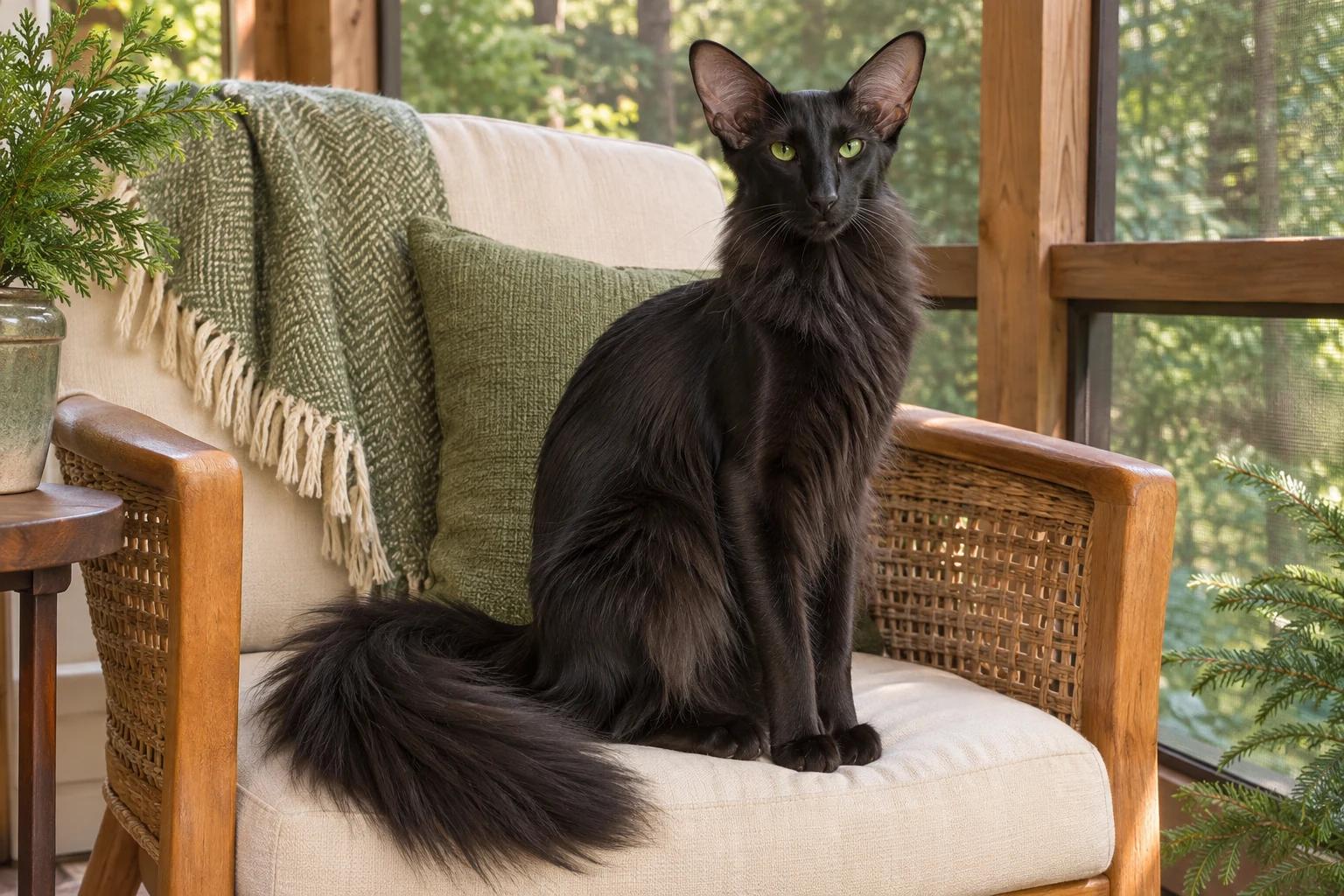
Oriental longhair cat training can turn an ordinary invitation into a signal the cat understands. It begins with a small, voluntary action and a reward that matters to that animal. The breed's lively, interactive reputation may make learning together appealing, but it does not give you a deadline or a reason to demand a performance. A useful goal is easier communication during daily life, with the cat free to pause or leave.
This guide explains how to train an oriental longhair cat through a simple target-based invitation. It does not teach restraint, medical procedures or a promise that a trained cat will ignore an open door or another danger.
Oriental longhair cat training starts before the cue
Choose one purpose. You might want to invite the cat toward a suitable resting area while you organize a room. Write the task in plain terms before choosing a word or buying a clicker. If you cannot describe the action clearly, the cat will have difficulty understanding what earns the reward.
The Oriental Longhair profile describes an inquisitive cat and recommends reward-based learning. FelineVMA's training guidance explains positive reinforcement, shaping and targeting. Those principles apply to the individual learner; they do not establish that every member of the breed enjoys the same exercise.
Prepare a safe, quiet area and have the reward ready. Keep essential resources available. Training should not depend on making the cat unusually hungry or withholding access to something it needs. If there are dietary restrictions, ask your veterinary team how any food rewards should fit the existing plan.
Find out what counts as a reward
A treat is useful only if this cat values it in this situation. A familiar toy, an appropriate food reward or another interaction may be preferred, but a reward should not be assumed from a breed reputation. Observe what the cat chooses when it is relaxed and willing to take part.
The timing matters. Prepare before beginning so you can respond to the behavior you intend to encourage. If you spend the next moment searching a cupboard, the connection becomes less clear. Keep your setup simple enough that one person can manage it without crowding the cat.
A marker, such as a quiet word, can identify the moment followed by a reward. FelineVMA describes pairing such a signal with the reward so it acquires meaning. You do not need a loud clicker if that sound startles the learner. Ask for guidance if you are unsure how to establish a marker clearly.
Build a target invitation in manageable steps
Use a safe target recommended by a qualified professional if you need help selecting one. Start by presenting it where the cat can notice it without reaching into its face. Reward an appropriate voluntary investigation. Do not push the object against the cat to manufacture the action you want.
FelineVMA describes shaping as dividing a behavior into small steps. For your task, the early step may be looking toward the target, followed later by approaching or touching it. Progress depends on the cat's response. If an invitation repeatedly fails, make the setup easier rather than repeating the cue more insistently.
Once the familiar action is reliable in that easy setting, you can consider a small change in position. Avoid simultaneously moving the target farther away, changing the room and adding another person. A gradual change makes it easier to see whether the signal is understood or the environment has become too distracting.
Add the word to something the cat recognizes
Choose a short, consistent cue and agree on it with other caregivers. The purpose is clarity, not finding a word that sounds authoritative. Avoid several people using different signals for the same task and then interpreting the resulting confusion as stubbornness.
Do not repeat a new cue continuously while waiting for an unfamiliar action. First establish what the cat is learning, then seek advice on introducing the cue at a useful point. Keep a brief note of the current step so another person does not expect a finished behavior after watching one successful attempt.
End while participation remains comfortable. A useful session need not contain a particular number of repetitions. The question is whether the cat is still choosing the activity and whether your own timing remains clear. Stop when either of you is frustrated instead of trying to obtain one last success through pressure.
Keep obedience language in perspective
People searching for oriental longhair cat obedience often want fewer misunderstandings at home. A trained invitation can help, but it is not a remote control. Use physical safety arrangements for exterior doors, cooking areas and other hazards. Do not test a cue for the first time where failure could put the animal at risk.
A target task also does not authorize care the cat finds painful or frightening. The existing Oriental Longhair hygiene article explains why soiled fur and repeated cleanup can require professional help. Training cannot decide which grooming technique or product is appropriate.
FelineVMA advises against training when a cat is frightened, sick or in pain. Contact your veterinarian about a change in willingness or comfort rather than assuming you need a stronger incentive. The absence of a familiar response may be useful information, not a challenge to your authority.
Separate learning from social exposure
Oriental longhair cat socialization is not achieved by asking a cat to perform for every visitor. Introduce people and settings with attention to comfort, distance and retreat. A familiar task may be useful in some circumstances, but an unfamiliar audience adds a new demand and should not be treated as proof of progress.
Explain to children that the cat can decline. An adult should manage the session and the equipment. If a guest wants to try the cue, first decide whether that is appropriate for this cat at its present stage, rather than treating the exercise as entertainment.
The cat quiz can help you consider whether an interactive companion fits your preferences. Training then becomes a shared activity built around the actual learner: a clear task, understandable signals and respect for the animal's choices.
Frequently asked questions
Are Oriental Longhairs automatically easy to train?
The breed has an interactive reputation, but learning varies by individual and task. Suitable rewards, clear timing and comfortable circumstances matter more than expecting a particular speed.
Do I need a clicker?
No. FelineVMA describes several possible markers. Choose an approach the cat tolerates comfortably and learn how to pair the marker with a reward.
What if the cat walks away?
Allow it to leave. Review the setting, reward and difficulty before trying another time. Seek veterinary advice if willingness changes suddenly or the cat seems uncomfortable.
Can a trained cue replace a closed exterior door?
No. Training is an additional communication tool, not a substitute for reliable physical safety arrangements around hazards.
Sources behind this article
Article source checked: November 20, 2026. Source checked 2026-11-20
Keep reading

Abyssinian Cat Training: Useful Skills for an Active Cat
Read article →