Old Danish Pointer grooming: a simple routine that lasts
Plan Old Danish Pointer grooming with simple coat care, shedding cleanup, bathing preparation, and comfortable handling.
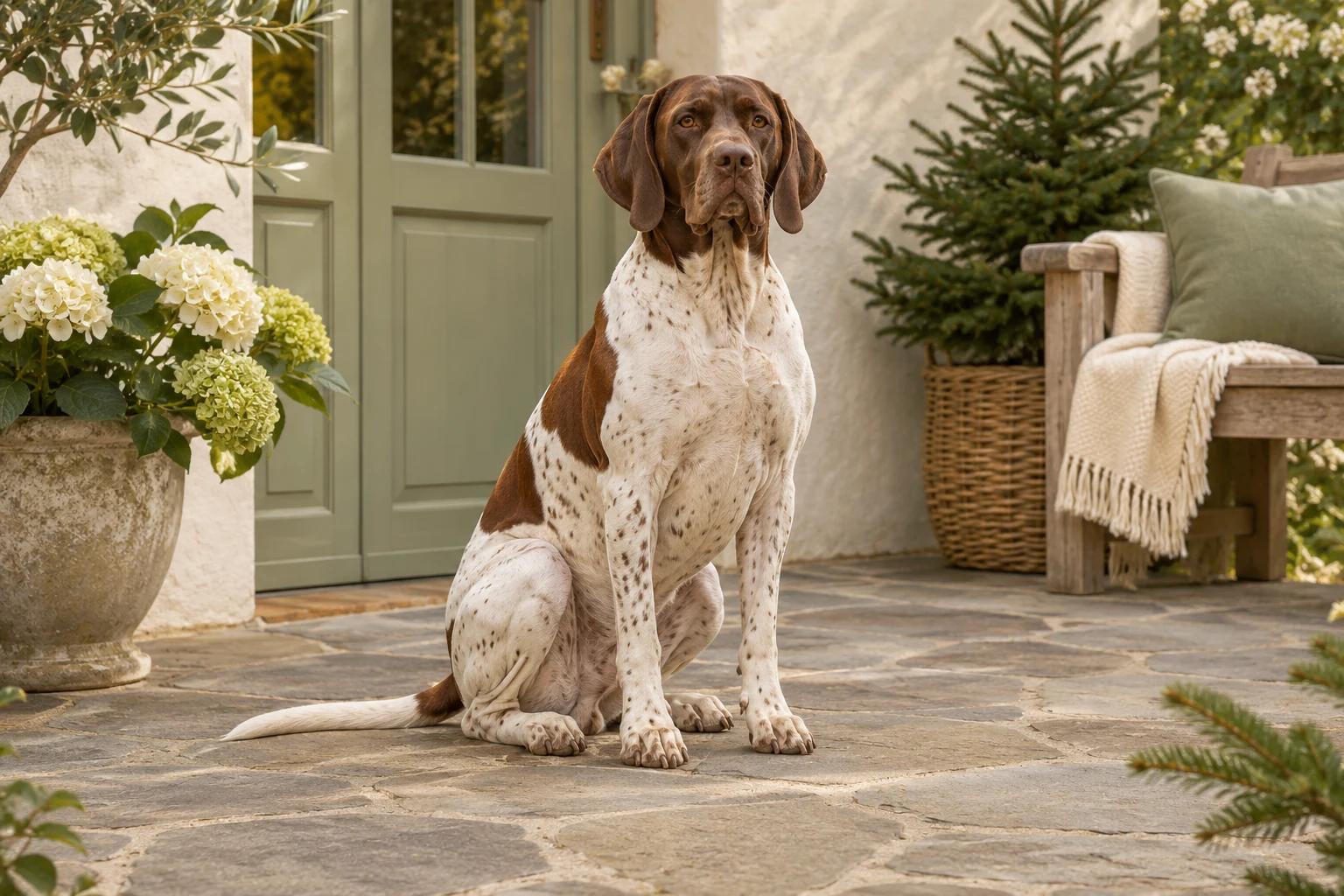
Old Danish Pointer grooming is relatively straightforward, but the useful routine extends beyond making the coat look tidy. A short-coated dog still brings home dust, sheds hair, and needs to become comfortable with ordinary handling. The aim is a small, repeatable care plan that fits beside walks and meals, not an elaborate salon schedule or a promise of a hair-free home.
Start with the Old Danish Pointer profile for the overall ownership commitment. Here is how to organize coat care, bathing preparations, and the observations worth recording between professional appointments.
Old Danish Pointer grooming starts with the coat
The FCI breed standard describes a short, dense coat with a somewhat firm texture. It also describes hanging ears and looser skin around parts of the head and neck. Those features help you know what you are looking at; they do not supply a medical cleaning schedule.
The live breed profile suggests brushing once or twice a week as a usual starting plan. Choose a gentle tool appropriate for a short coat and ask a groomer to demonstrate if you are unsure. Work comfortably with the hair rather than treating grooming as a contest to remove every possible loose strand.
Set the dog on a stable, nonslip surface where both of you have room. A substantial dog does not need to balance on furniture for a quick brush. Keeping sessions at floor level may be more convenient if it lets the dog stand or lie without repeated repositioning.
Build a coat-care station by the exit
Old Danish Pointer coat care becomes easier when the supplies live where you use them. Keep a clean towel, your everyday brush, and a washable mat near the return route from walks. Store products securely out of the dog’s reach.
After a muddy outing, pause before the dog crosses the whole house. Check where the dirt actually is. A little mud on the feet calls for a different response from a coat covered in something unpleasant. Avoid turning every ordinary walk into a full bathing event simply because the equipment is available.
Work through the same inspection route each time: feet, legs, underside, sides, and head. This is an organizational aid, not a diagnostic examination. If you notice something painful, embedded, or unfamiliar, stop and ask your veterinarian rather than trying to solve it with a brush.
Use separate towels for the dog and the floor. That small distinction saves you from wiping a clean area with a towel that has just collected grit from the entrance. Put used towels directly into their wash container so they are not mistaken for clean supplies next time.
Shedding is a housekeeping task, not a failure
Old Danish Pointer shedding is part of the normal care picture, including loose hair through the year. A short coat does not mean hair stays on the dog. Plan washable bedding and regular cleaning around the places the dog actually uses.
A light-colored blanket may make brown hairs obvious; a dark one may show pale hairs. Choose covers for easy laundering rather than trying to find a color on which every hair disappears. Keep a spare dry cover ready so washing does not remove the dog’s resting place for half a day.
Notice what is normal for your own dog over time. A sudden change accompanied by itching, bare patches, soreness, or an unusual smell belongs with a veterinarian, not an increasingly forceful brushing routine. This guide cannot determine the cause of a coat change.
A simple record can help: note the date, what you noticed, and whether anything in the routine changed. Photographs taken in similar lighting may be useful when explaining the concern at an appointment. Avoid diagnosing the issue from a comparison with another dog’s coat.
Make bathing a prepared event
VCA’s bathing guidance recommends pet-formulated products, gentle water delivery, and thorough rinsing according to product instructions. Ask your veterinarian which product is suitable if the dog has a skin concern. Do not substitute a medicated product on your own.
Before getting the dog wet, lay out the towels, check the water, and clear the route out of the bathing area. Decide where the dog will stand while you prepare. Trying to open a bottle one-handed while a wet dog turns toward the doorway is avoidable.
Introduce the location separately from the full bath. Walking into the bathroom, standing on the mat, or hearing water at a comfortable distance can each be a small practice session. Finish while the dog remains comfortable; the first lesson need not end with shampoo.
Choose a setup that works for the adult’s size and your own reach. If leaning over a bath is difficult, arrange professional help rather than improvising an unstable platform. Explain any handling concerns when booking so the groomer can plan appropriately.
Do not set a rigid bathing calendar from the breed name alone. Lifestyle, dirt, individual skin needs, and veterinary advice matter more than an arbitrary date. Keep the process simple enough that a necessary bath is manageable without making unnecessary baths a weekly project.
Handle the dog, not just the hair
If you are learning how to groom an Old Danish Pointer, include comfortable handling in the lesson. Briefly touching a shoulder, looking at a foot, or presenting the brush can be practiced without completing the entire routine. Reward cooperation and let the dog move away when the exercise is over.
Keep nail care, dental care, and ear-care questions on your appointment list. Ask your veterinarian or groomer to demonstrate the appropriate approach for your dog. A hanging ear does not justify putting products into it without guidance, and a dog pulling a foot away is not an invitation to hold harder.
Tell anyone sharing care which tools are used, where records are kept, and what the dog finds difficult. A short written handover can prevent three people from independently deciding that the same task needs doing on the same day.
The working-pace article covers a different aspect of this gundog’s life. If you are comparing ownership routines before choosing a breed, use the dog match quiz alongside a realistic assessment of who will do these everyday tasks.
FAQ
Does an Old Danish Pointer need daily brushing?
The breed profile suggests brushing once or twice weekly as a usual starting plan. Adjust the routine to the individual coat and recent outings, using gentle tools rather than increasing pressure to remove more hair.
Does the short coat mean little shedding?
No. Old Danish Pointers shed, and loose hair can appear throughout the year. Regular brushing and washable household covers help with cleanup, but they do not create a non-shedding dog.
How often should an Old Danish Pointer have a bath?
There is no universal breed-only interval. Base bathing on actual dirt, the dog’s skin needs, and veterinary guidance. Prepare the space and use an appropriate pet product according to its instructions.
Sources behind this article
- FCI: Old Danish Pointing Dog Standard No. 281 ↗
- VCA Animal Hospitals: Get Your Pet Bathing Routine Down ↗
Article source checked: November 15, 2026. Source checked 2026-11-15
Keep reading

Affenpinscher Grooming: A Practical Coat-Care Routine
Read article →