Ocicat vs Bengal: compare the cat and the daily routine
Compare Ocicat vs Bengal history, activity, company, size and coat care, then assess the individual cat and the routine your home can support.
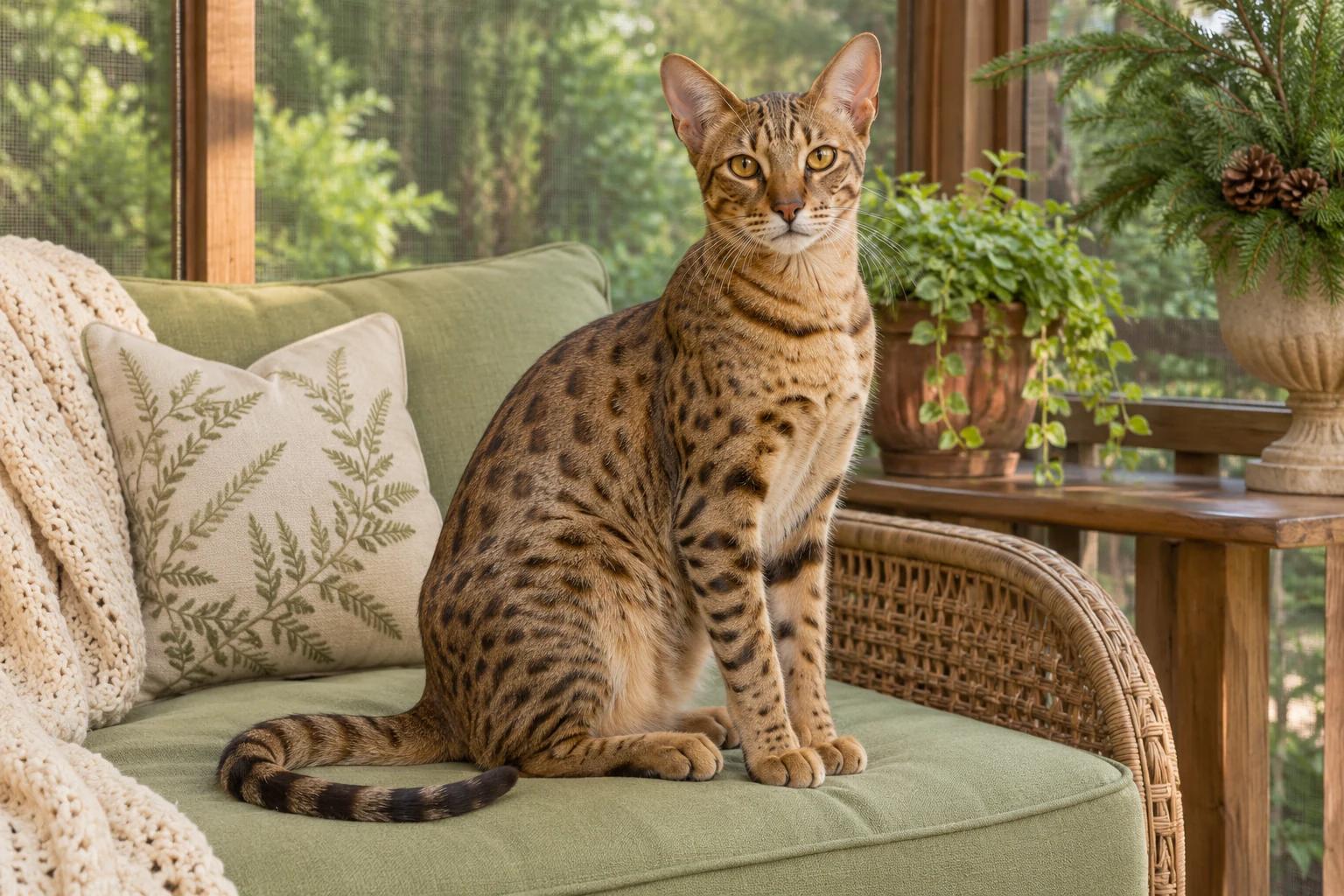
An ocicat vs bengal comparison starts with two striking spotted cats, but a photograph leaves out most of the decision. Both breeds deserve an interesting home and an owner who wants to learn about the individual. Their patterns do not tell you how a particular cat handles visitors, asks for company or responds when play ends. Start with the practical differences, then use a meeting and the cat's existing care history to test your assumptions.
Whether you search for bengal vs ocicat or ask about an ocicat or bengal, the practical difference between ocicat and bengal needs more than a coat comparison. The useful question is whether you can support the routine already familiar to this cat. Choose a companion with that information in mind, rather than expecting a breed description to predict every interaction.
Ocicat vs Bengal: understand the resemblance
CFA describes the Ocicat as a domestic breed developed through Siamese, Abyssinian and American Shorthair ancestry. Its name and spots do not make it an ocelot cross. That distinction matters when someone uses a wild-looking photograph to describe the cat's needs or explain its behavior. Ask for clear identification and records rather than treating appearance as ancestry evidence.
TICA traces Bengal development to domestic-cat crosses with the Asian leopard cat. That differs from the Ocicat's documented domestic-breed ancestry. The Bengal account describes rosettes or marbling, while the Ocicat has a spotted coat. These distinctions explain breed development and appearance; they do not predict the behavior of an individual cat. You do not need to identify a coat pattern perfectly to make a thoughtful care decision. You do need to distinguish the documented breed from an attractive label attached to an individual animal.
Read the Ocicat profile and Bengal profile alongside this comparison. They provide the site's current reference information and the sources behind it. For a cat whose background is uncertain, keep that uncertainty visible instead of assigning a pedigree from a photograph.
Compare activity through ordinary situations
The site's Ocicat profile describes active, inquisitive cats. TICA's Bengal account places particular emphasis on climbing, chasing and investigating. In a Bengal discussion, ask to see the established climbing and play arrangements; in an Ocicat discussion, ask which interactive games and exploration opportunities the individual uses. Both need an interesting environment, but a different emphasis in a registry account is not a measured ranking between the two animals you meet. Neither description answers how much attention the individual will request on your busiest working day. Before a meeting, list the times you can reliably take part and the activities you would enjoy sharing.
Ask the current caregiver to describe an ordinary morning and evening. Which toys are used, which surfaces attract climbing, and what happens when the person starts another task? Ask for examples rather than a rating such as easy or demanding. A useful answer might identify a favorite activity and the circumstances in which the cat chooses to rest.
FelineVMA's indoor-cat guidance emphasizes meeting physical and emotional needs. Apply that principle to the room, not just the toy cupboard. Look at opportunities to explore, scratch, hide and settle away from household movement. Your assessment should include access to those places while another person is cooking, working or receiving visitors.
Plan company without promising compatibility
CFA presents the Ocicat as active and social; TICA also emphasizes social engagement in its Bengal description. Those broad tendencies make company worth discussing, but they cannot establish whether a particular pair of animals will live comfortably together. A friendly meeting with one person is not a test of every future relationship.
Describe who lives at home and how routines change. Ask whether the cat has lived with other animals, how introductions were managed, and which situations led it to seek distance. Separate what the caregiver actually observed from what someone hopes will happen. Give the cat somewhere to withdraw during a visit, and avoid interpreting withdrawal as a failed personality test.
If your home includes children, an adult should organize interactions and remain responsible for care. Do not choose between these breeds by asking which is automatically safe with children. Discuss the individual, the environment and supervision instead. The same approach helps when considering a resident dog or another cat: compatibility needs its own careful assessment.
Use body size to check equipment
The profiles contain numerical references with different scopes, including Ocicat summary averages and Bengal adult intervals. Those are not like-for-like measurements, so this article does not compare the numbers or use them to rank individual size. Discuss the actual cat's body condition with your veterinarian rather than treating a breed reference as a feeding target.
For equipment, ask about the actual cat's measurements and movement. Check whether a carrier provides comfortable room and whether a perch is stable and accessible. A product marketed for a medium cat may still be unsuitable for a particular animal. Consider the opening, supporting surface and route to the equipment rather than relying on the label alone.
Avoid deciding that one breed must be easier to handle because its reference range is smaller. Comfort with handling, previous experience and individual mobility also affect daily tasks. Ask your veterinarian about body condition or a concern about weight rather than trying to adjust the cat toward a breed average.
Look beyond a short coat
Both profiles describe short coats, but the care decision still needs an individual routine. Ask which brush or other tool the cat accepts, what the caregiver actually does, and whether there have been skin or coat concerns. A short coat is not permission to skip checking how the cat responds to touch.
CFA describes the Ocicat as a relatively light shedder with modest grooming needs. That is a breed-level description, not a promise that your furnishings will stay hair-free. Compare your tolerance for loose hair and the care you are prepared to maintain. Ask a veterinarian about sudden changes, bald areas or discomfort rather than choosing a stronger grooming tool to solve an unexplained problem.
Keep behavior training distinct from this comparison. The existing Ocicat station-cue article explains a particular voluntary learning task; it does not show that an Ocicat is the better choice for every person who wants to train a cat.
Make a comparison you can act on
Write down three things you learned about each actual cat and three questions still unanswered. Include a practical detail about play, a detail about company and a detail about care. If one column contains only appearance and breed reputation, you need more information before making the choice.
Use the cat quiz to organize your preferences, then bring those preferences back to the individual conversation. A result can suggest profiles to compare. It cannot replace meeting the cat, reviewing its history or deciding whether your household can maintain its care.
Frequently asked questions
Is an Ocicat a Bengal?
No. They are separate breeds with different documented histories. Similar spots do not make them interchangeable, and a photograph alone cannot establish an individual cat's ancestry.
Which breed needs less interaction?
Both have social, active breed descriptions. Ask about the individual cat's normal routine and responses to time apart; neither breed name establishes how much company that cat will need.
Can a breed weight description decide which equipment to buy?
No. Use the actual animal and the equipment’s usable space and instructions. Unlike-scoped breed figures should not become a prediction of size or a feeding target.
Can a quiz decide between them?
A quiz can organize household preferences and point you toward relevant profiles. The final assessment still needs the individual animal's history, care requirements and behavior in a suitable meeting.
Sources behind this article
Article source checked: November 20, 2026. Source checked 2026-11-20
Keep reading

Abyssinian vs Somali: Coat, Size and Everyday Company
Read article →