Norwegian Buhund Grooming: A Practical Coat Routine
Build a Norwegian Buhund grooming routine for the double coat, loose hair, bathing and calm handling, without turning care into a makeover.
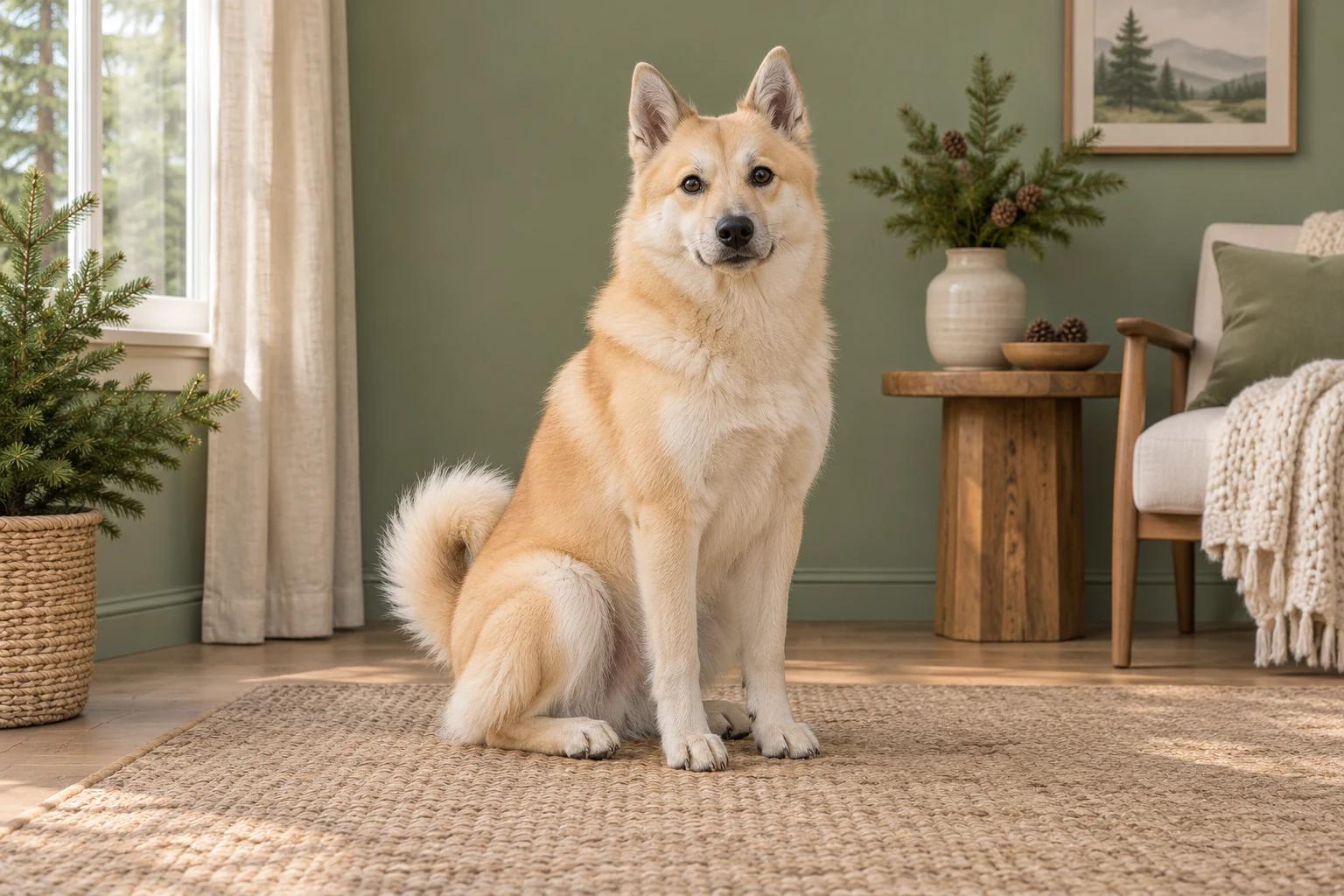
Norwegian Buhund grooming is mostly about caring for the coat that is there, not creating a sculpted shape. The dense double coat needs regular attention even when its outline looks tidy. Your goal is a manageable routine that lets you notice changes, remove loose hair gently and keep the dog comfortable with handling.
If you are learning how to groom a Norwegian Buhund, begin with a demonstration on the individual dog. Watching a knowledgeable groomer or caregiver use the right pressure and tools is more useful than buying every item marketed for a shedding breed.
Norwegian Buhund grooming starts with two layers
The Royal Kennel Club standard describes a harsh, smooth outer coat over a soft, woolly undercoat. Hair is shorter around the head and front legs and longer around the neck, chest, shoulders, backs of the legs and underside of the tail. Royal Kennel Club standard
That variation means a quick sweep over the back does not represent the whole job. Work out a repeatable route around the dog so you remember the fuller areas as well as the easy surfaces. You might start at one shoulder, work along that side, pause, then approach the other side.
Treat this as a map, not an obligation to finish every area in one sitting. If your dog is still learning to stand for care, one calm section is a more useful starting point than a wrestling match over the entire coat.
Set up for the session you can actually finish
Choose a stable, nonslip surface where the dog can stand or rest comfortably. Keep tools within reach so you do not need to leave halfway through. For a floor-level session, check that you can change position without leaning awkwardly across the dog.
Ask a groomer to identify a brush and comb suitable for this coat and show you how to use them. VCA emphasizes gentle handling, avoiding hard pulling and seeking specific tool recommendations from a groomer, breeder or veterinary team. VCA coat-care guide
Do not judge a tool by the impressive pile of hair it produces. The question is whether it suits this dog's coat and can be used without scraping, pulling or making the dog avoid the next session. If you cannot tell, stop and ask for a demonstration rather than applying more pressure.
Keep a small kit rather than a confusing collection. Label unfamiliar tools with the area and method your groomer demonstrated. This makes it easier for another household member to follow the same routine instead of improvising.
Ordinary weeks and shedding weeks need different plans
The Norwegian Buhund profile suggests brushing once or twice weekly as a usual starting routine. Check the dog between those sessions rather than assuming the calendar tells you everything about the coat.
Norwegian Buhund shedding can make the amount of loose undercoat noticeably different from one session to the next. AKC notes that the breed sheds its undercoat seasonally and describes regular brushing as the main tidying task. AKC breed feature
During a heavier period, divide the work into smaller sessions you can repeat, adapting to what the coat needs and the dog tolerates. Keep a note of which area you completed. That prevents returning repeatedly to the shoulders because they are convenient while forgetting the fuller hair behind the thighs.
Household cleanup is a separate job. Put a washable covering where you groom and empty the tools before putting them away. A small cleanup after each session is often easier to maintain than waiting for loose hair to travel through every room. Brushing helps you collect hair, but it does not turn a shedding dog into a non-shedding one.
Check the coat after the actual outing
Make Norwegian Buhund coat care part of returning home from the places you use. A pavement walk, a muddy field and a wooded path leave different things to check. VCA recommends looking for trapped burrs or twigs after outdoor activity and inspecting areas where clumps can be missed. VCA coat-care guide
Your own checklist can be brief: what is wet, what is dirty and what feels different? Check the dog before washing bedding or cleaning the car so you do not overlook something caught in the fuller coat.
If you find a stubborn tangle, stop pulling. Ask a groomer to deal with difficult areas, particularly when you cannot see what lies beneath them. Skin changes, painful handling or an unfamiliar persistent odor belong in a conversation with your veterinarian rather than a search for a stronger grooming product.
Bathing is a planned task, not a fixed countdown
VCA explains that bathing frequency varies with lifestyle, coat and health, and advises using shampoo formulated for dogs and rinsing thoroughly. Ask your veterinarian about product choice when there are skin concerns. VCA coat-care guide
Before you begin, arrange the exit as well as the bath: towels ready, a nonslip landing area and enough time to finish without rushing. A dense coat can look damp only on the surface while there is still more work underneath, so ask your groomer to demonstrate an appropriate drying method for your setup.
Follow the product instructions rather than adding extra shampoo in the hope of a cleaner result. If bathing is a struggle, separate the skills. Practice entering the bathing area, standing on its surface and accepting a towel at easy times, rather than making every introduction happen during a necessary full wash.
Use professional help for the parts you have not learned
Coat brushing does not replace nail, ear and dental care. Ask your veterinary team or groomer which tasks you can learn and which should remain appointments. Being comfortable brushing the back does not automatically mean you can trim nails confidently.
Tell a groomer what you need: routine double-coat maintenance, a handling demonstration or help with accumulated loose coat. Do not request a dramatic cut simply because the dog is shedding. Discuss any clipping proposal in the context of the actual coat and the reason for it.
If you are still choosing a breed, the dog match quiz helps you include care time in the decision. The article about the Buhund's farmstead name supplies background, but a working heritage does not remove the need for hands-on care today.
FAQ
Does a Norwegian Buhund need daily brushing?
Not necessarily throughout the year. Start with a regular routine, inspect the coat between sessions and increase attention when loose undercoat or outdoor debris requires it. A groomer can help tailor the routine to your dog.
Can I eliminate shedding with the right brush?
No. Brushing collects loose hair and helps you maintain the coat, but it does not stop the normal shedding process. Plan household cleaning alongside grooming instead of expecting one tool to solve both completely.
Should I force a grooming session to completion?
No. Pause if the dog becomes uncomfortable and make the next session easier. Persistent handling difficulty deserves help from a qualified trainer, groomer or veterinarian, depending on whether fear, technique or discomfort appears involved.
Is a tidy-looking coat always finished?
Not necessarily. The smooth outline can distract from fuller areas around the neck, legs and tail. Follow a repeatable checking route and learn how the individual coat feels when it has been properly maintained.
Sources behind this article
- Royal Kennel Club: Norwegian Buhund Standard ↗
- American Kennel Club: Meet the Norwegian Buhund ↗
- VCA Animal Hospitals: Grooming and Coat Care for Your Dog ↗
Article source checked: November 15, 2026. Source checked 2026-11-15
Keep reading

Affenpinscher Grooming: A Practical Coat-Care Routine
Read article →