Norrbottenspets Size: Weight, Shape and Everyday Space
Understand Norrbottenspets size, adult weight and practical measuring tips for harnesses, beds, travel and planning for a growing puppy.
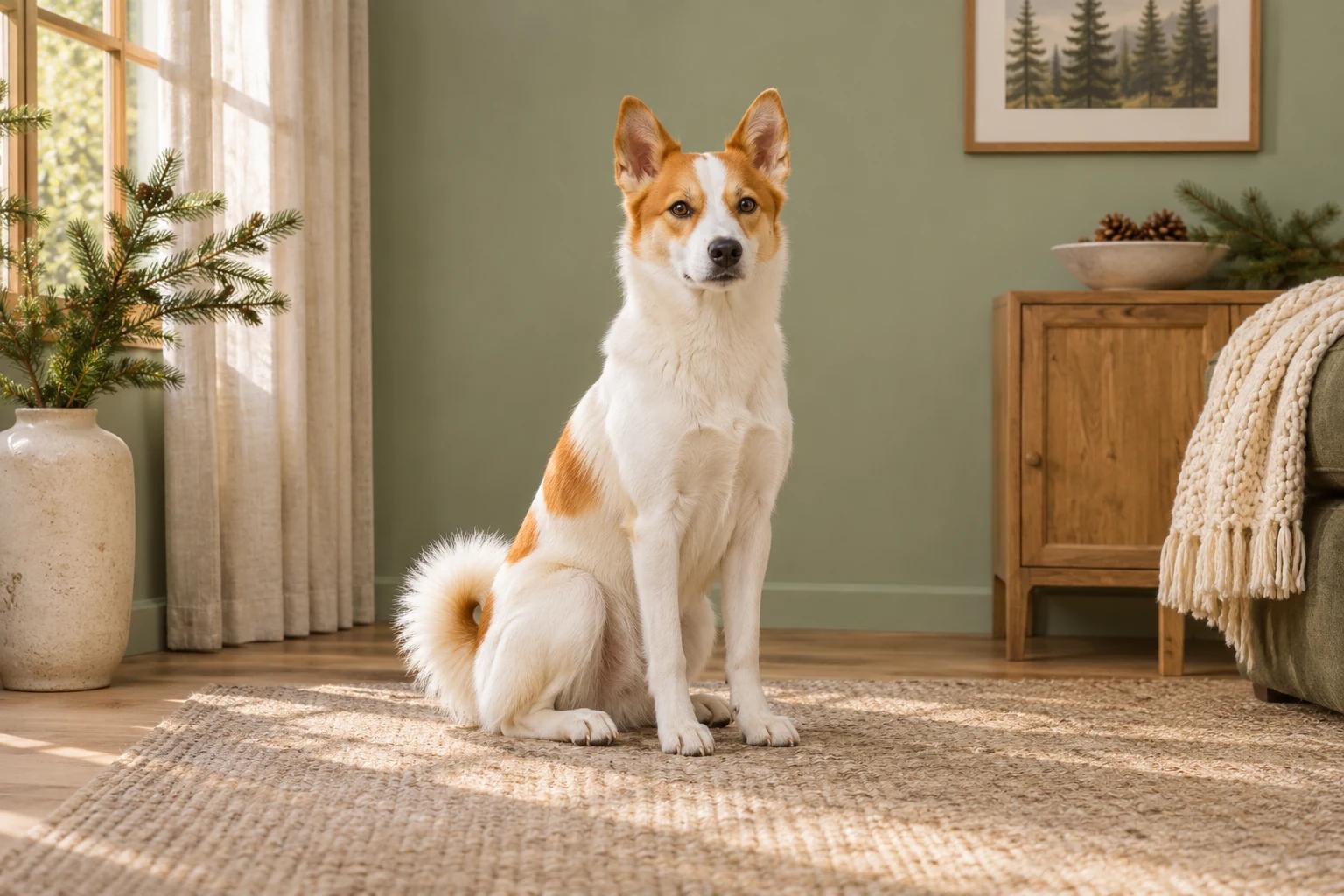
Norrbottenspets size is best understood as a compact, athletic package rather than a shortcut to an easy lifestyle. The adult weight reference is 20–30 pounds. That gives you a starting point for practical planning, but it cannot choose a harness, predict a puppy's final measurements or tell you how much of your day a dog will need.
Start with the Norrbottenspets breed profile, then consider the actual dog and the places it will use. A measuring tape and a few specific questions are more useful than the word “small” on a product label.
Norrbottenspets size: what the weight range tells you
Typical Norrbottenspets weight is 20–30 pounds, approximately 9–14 kilograms. The American Norrbottenspets Association gives this adult range and describes a compact, muscular dog. A reference range is not a target that every individual should be pushed toward. American Norrbottenspets Association
For planning, think through both ends of that range. Could you manage the dog's equipment, lift it if necessary and arrange appropriate help if you could not? Would your travel crate still fit in the vehicle once an adult dog occupied it? These are more useful questions than whether the breed counts as small or medium in a particular shop.
Ask a veterinarian to assess an individual dog's weight and body condition. Do not add food simply because an adult is below an online average, or restrict it because it exceeds a number on a breed chart. Weight belongs alongside build, age and the dog's own history.
Height is a measurement, not a photograph
The live breed profile lists an adult shoulder-height reference of 16.5–18 inches. Use that alongside the 20–30-pound weight range as planning context, not a prediction for every individual.
Norrbottenspets height refers to the distance from the floor to the withers, the shoulder area, rather than to the ears. Measuring to the top of those upright ears will give you a different figure and can confuse comparisons with a product chart.
If you need a measurement, ask someone familiar with handling dogs to help while the dog stands comfortably on a level surface. Make the process brief and reward cooperation. If the dog keeps shifting, try again later rather than holding it in an uncomfortable position to obtain a supposedly perfect number.
Record what you measured and when. “Shoulder height, measured standing” is much more helpful than an unlabeled number in your phone. For equipment, follow the manufacturer's actual measuring instructions; some items require chest circumference, body length or a different height measurement entirely.
The important shopping distinction is between a breed description and a fitting guide. Even a correctly measured shoulder height cannot replace the chest and neck measurements needed for a harness.
Notice the body behind the outline
The FCI standard describes a slightly rectangular dog with developed muscle and a close-lying double coat. The outline is athletic rather than bulky. FCI breed standard
In practical terms, avoid treating two dogs of equal weight as interchangeable shapes. A harness that suits a broad-bodied dog may sit differently on a Norrbottenspets. A bed advertised for the right weight may still be awkward if the dog likes stretching its legs out rather than curling up.
Look at the dog from the side and above while it stands naturally. For buying decisions, pair those observations with measurements rather than trying to judge everything from one appealing photograph. The coat and curled tail can also distract the eye from the dimensions that matter for equipment.
Markings belong to a different question. Our article on Norrbottenspets color patches covers that appearance detail; patch placement does not tell you a dog's adult size or the fit of its gear.
Buy for the dog, not the breed name
Harnesses and walking equipment
Measure the locations specified by the manufacturer and check adjustability. Once fitted, watch the dog walk, turn and lower its head. Look for shifting straps, restricted movement or places where the fit changes as the dog moves. Have a knowledgeable fitter help if you are unsure.
For a puppy, write down the adjustment you used and recheck as it grows. Do not assume that because the buckle still closes, the harness remains comfortable. Buying several adult-sized items in advance can be less useful than choosing one adjustable item that fits now.
Beds and resting space
Watch the dog's preferred sleeping position before committing to a bed shape. A neat curled-up photograph may underestimate the space it uses for a long stretch. Leave enough room around the bed for the dog to approach and leave without squeezing past furniture.
Consider where you need resting places, too. One well-fitted bed beside a busy doorway may be less useful than a simple mat in a quiet corner. Size planning includes access and placement, not just the dimensions of an object.
Transport and occasional lifting
Check the specific travel product's measurements and instructions instead of relying on a breed list. Plan how the dog will enter and exit the vehicle, where equipment will go and who will help if lifting becomes necessary. Any airline or transport-provider requirements need checking directly before you book.
Growing puppies: ask better questions than “big paws?”
A breeder or caregiver may be able to show you mature relatives and explain the puppy's growth so far. That gives useful context, not a guarantee. Ask for dated weight records and discuss growth concerns with your veterinarian rather than relying on paw size or a single puppy photo.
Keep your own simple record: date, weight when available, harness fit and any practical change you noticed. This is particularly useful when more than one person buys equipment or cares for the dog. It turns “I think that strap is tighter” into a clear reason to remeasure.
Finally, separate physical size from lifestyle fit. A compact dog still needs a workable routine for outside time, learning and company. The dog match quiz can help you weigh those commitments alongside the amount of space in your home.
FAQ
How big do Norrbottenspetss get?
The adult weight reference is 20–30 pounds. Use that as a planning range rather than a promise about a puppy. For equipment, obtain the individual dog's current measurements and follow the product's fitting guidance.
Can I choose a harness using Norrbottenspets weight alone?
No. Weight does not describe chest shape, neck circumference or where straps will sit. Measure the dog according to the manufacturer's instructions, then check the fit while it moves normally.
Does a smaller Norrbottenspets need less activity?
Body size alone does not establish a dog's activity needs. Consider its age, current routine, interests and veterinary guidance. Choose the breed for a manageable daily commitment rather than assuming smaller measurements mean less engagement.
Should my dog reach the middle of the adult weight range?
Not necessarily. A breed reference is not an individual feeding target. Your veterinarian can assess body condition and help interpret your dog's weight in the context of its frame, life stage and history.
Sources behind this article
Article source checked: November 15, 2026. Source checked 2026-11-15
Keep reading
Norrbottenspets Temperament: An Everyday Fit Guide
Read article →