Nenets Laika size: weight, build and room at home
Understand Nenets Laika size through adult weight, body proportions, growth questions and practical household space rather than height alone.
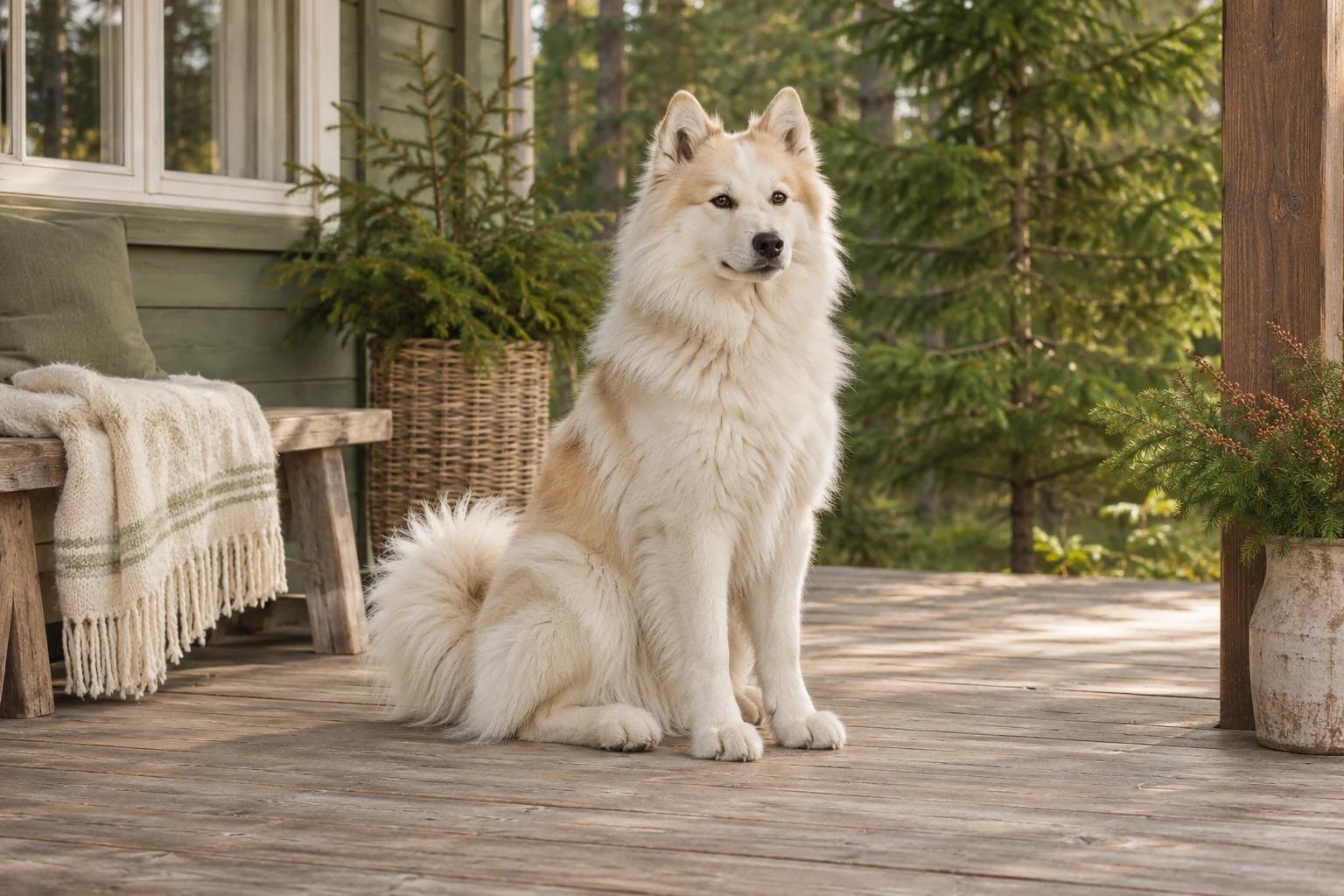
Nenets Laika size is easiest to picture as a compact working dog rather than a tiny companion or a large northern sled dog. Its coat can make a photograph look substantial, so a useful ownership decision needs more than the impression of fluff. Adult weight, body proportions, the space a dog uses while moving and the practical support available in your home all matter.
If you are considering a puppy, ask about the adults in its family and the records already available. If you are meeting an adult, focus on that dog’s current build and daily arrangements. Neither decision should depend on selecting the smallest or largest figure in a breed description.
Nenets Laika size: begin with weight and build
The Russian Kynological Federation’s 2022 standard gives adult male weight as 11–17 kilograms and female weight as 8.5–12 kilograms. It describes a compact, muscular dog, with males approximately as long in body as they are tall and females allowed a somewhat longer body.
Those figures help you picture the general scale of the breed. They do not establish the right weight for a particular dog or predict the final weight of a puppy. A dog’s place within a reference range is not a ranking, and reaching the upper end is not an ownership goal.
The Nenets Laika profile brings together broader care information. Read size alongside the routine you would provide rather than treating weight as a shortcut to deciding whether the dog fits your life.
Weight is not the same as body condition
A Nenets Laika weight entry tells you what the scale recorded, not how that weight is distributed. Cornell’s veterinary guidance explains the role of veterinary body-condition assessment when determining an individual dog’s appropriate weight. That assessment is different from comparing the dog with a breed table.
Ask the veterinary team to explain what they are observing and how they want you to follow changes. Keep their advice with the dog’s records so that different caregivers do not work toward different targets. Do not alter food simply to move a number closer to an online ideal.
A useful record includes the date, the measured weight and any relevant veterinary comments. It need not be elaborate. Its value is that a future conversation can refer to an actual history rather than a vague memory that the dog “used to be smaller.”
Picture a dog moving, not just standing
Nenets Laika height is only one part of the space question. A dog turning beside a desk, stretching on its bed or walking past an open dishwasher uses a different outline from the one shown in a posed breed photograph.
Walk through your busiest room and identify the places where people and dog would regularly cross paths. A resting area directly between the kitchen and back door may fit on a floor plan but be inconvenient in daily use. Choose somewhere the dog can rest without being repeatedly asked to move.
Consider the morning routine in particular. Shoes, bags and coats often collect in the same small area where the dog waits to go out. Moving a basket or changing where leads are stored may create more useful space than choosing a narrower bed.
The question is not whether your home has a particular number of square feet. It is whether its layout allows ordinary movement, rest and care without turning every departure into a crowded negotiation.
Plan for the adult before choosing the puppy
When asking how big do Nenets Laikas get, separate what is known about the family from what someone hopes the puppy will become. Ask the breeder for the parents’ adult sizes and the age at which any recorded measurements were taken. If older relatives are available to meet, their ordinary build can help you form a more realistic picture.
Request the puppy’s existing growth records, but do not demand a precise adult promise. A photograph beside a toy is not a growth forecast. Nor should a claim that a puppy is unusually small become the main reason to choose it.
Discuss your practical constraints openly. If you must use stairs, share a car with several passengers or rely on a particular caregiver, explain those circumstances. The breeder or rescue can then discuss the dog in relation to your actual arrangements rather than an abstract preference for “medium-sized.”
Think through help, travel and temporary care
A size decision includes the days you cannot provide every part of care yourself. Who could collect the dog if your car broke down? Could your usual sitter accommodate its resting and outdoor arrangements? Is there a workable plan if a veterinary visit requires assistance?
Do not assume a compact dog is automatically convenient for every person to lift or manage. Talk through the task with the person who would do it. For any handling method you are unsure about, ask the veterinary team to demonstrate an appropriate approach for that individual.
Travel planning also involves more than fitting a dog into available floor space. Think about luggage, other passengers, rest stops and how the dog enters and exits the vehicle. Rehearse the routine without a departure deadline so that problems are visible before a long trip.
Keep size in proportion to the whole commitment
It is reasonable to prefer a dog that occupies less space than a giant breed. It is less useful to assume that smaller dimensions automatically mean less involvement. Your Nenets Laika still needs an organized day, care and a relationship with the people responsible for it.
Before deciding, make two short lists: the physical arrangements you can already provide, and the ones that still need solving. A resting area might be ready while transport is unresolved. That distinction helps you address a real obstacle instead of repeatedly searching for another average weight.
For the separate question of height statistics, read why a Nenets Laika average differs from a standard range. The dog match quiz can help you weigh size alongside the rest of your preferences. A useful choice considers the whole dog in a whole household.
FAQ
What does an adult Nenets Laika weigh?
The RKF’s 2022 standard lists males at 11–17 kilograms and females at 8.5–12 kilograms. These are breed reference figures, not an individual feeding target. Ask a veterinarian about the appropriate weight and body condition of the dog you own.
Does a thick coat mean a Nenets Laika is large?
Coat volume can influence the impression a dog makes in a photograph. Look at the individual’s build, current weight and ordinary movement rather than judging size from a fluffy outline alone. A veterinarian can help distinguish body condition from visual impression.
Can a breeder guarantee a puppy’s adult size?
Adult relatives and growth records provide useful context, but a puppy’s precise final dimensions are not something to treat as certain. Explain your practical size constraints and ask what information supports the breeder’s estimate before making a decision.
Sources behind this article
- Russian Kynological Federation: Nenets Reindeer Herding Laika Standard, 2022 ↗
- Cornell University College of Veterinary Medicine: Obesity and Weight Loss in Dogs ↗
Article source checked: November 15, 2026. Source checked 2026-11-15
Keep reading
Nenets Laika temperament: initiative and companionship
Read article →