Mudi vs Pumi: two herders, different daily details
Compare Mudi and Pumi working character, appearance and home routines, with practical questions for meeting individual dogs.
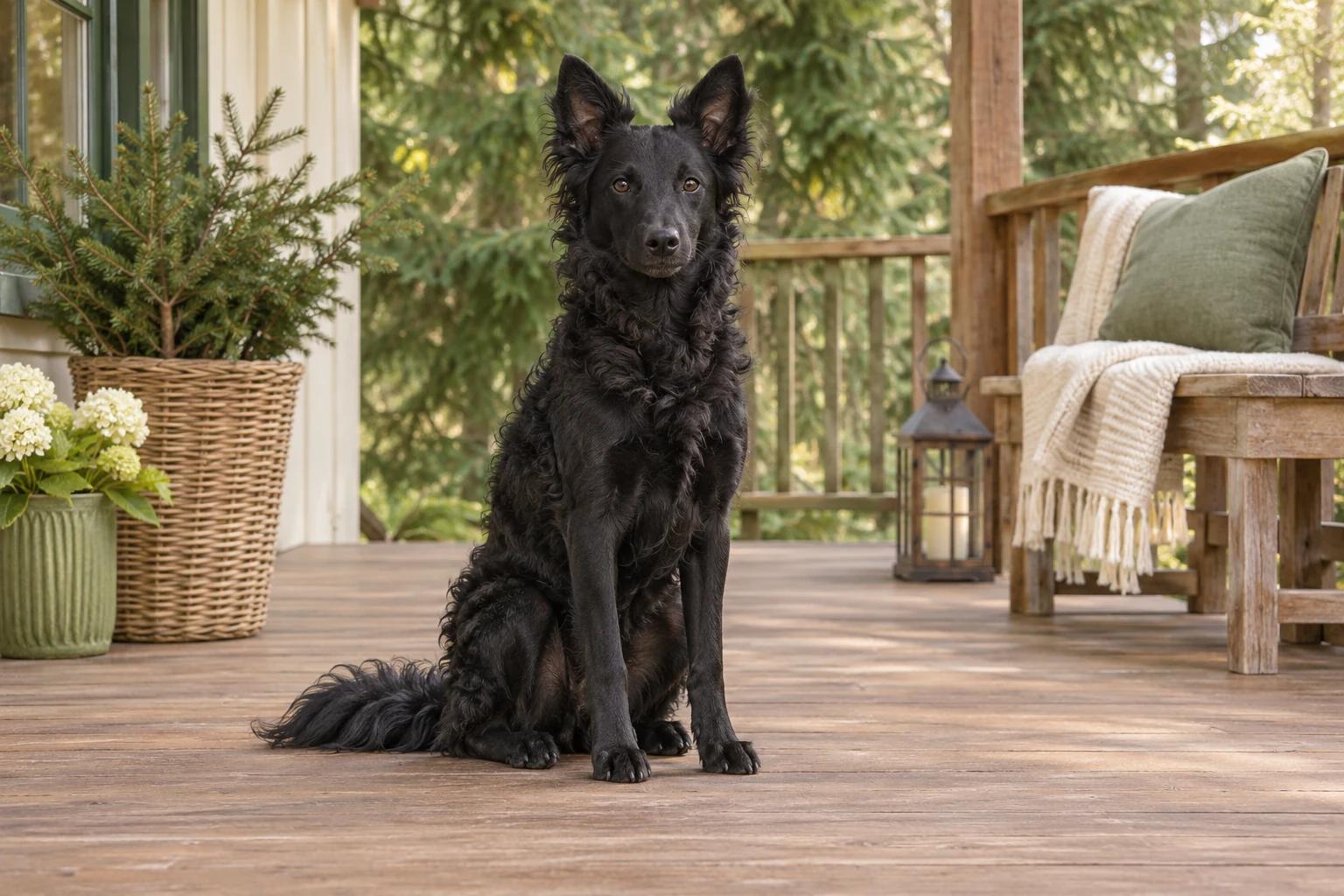
Mudi vs Pumi is a choice between two Hungarian herding breeds, not between a working dog and an easy decorative alternative. Their expressive ears and appealing outlines may attract attention first, but the more important comparison concerns shared activity, learning, sound and life around people. Both deserve a home that enjoys participating in a dog's day.
Think of this comparison as preparation for meeting dogs. The names can help you organize research; the individual dog's experience and the routine you can offer should guide the decision.
Mudi vs Pumi: recognize the outlines, then look further
The UKC Mudi standard describes a moderately built herder with prick ears and a body slightly longer than tall. The UKC Pumi standard describes a square outline, a relatively long foreface and ears whose tips bend forward. Those are useful visual distinctions when looking at adults.
They are not temperament tests. An alert ear position in a photograph cannot tell you whether a dog can settle beside your chair, enjoy a visitor or cope with a busy street. Nor does a softer-looking outline establish a less demanding personality.
For broader context, open the Mudi profile and Pumi profile side by side. Focus on the daily commitments rather than trying to identify a universal winner. If coat texture is your main question, our existing Mudi coat article explores that specific subject without making it stand in for the whole comparison.
What do you want to do with your dog?
Be precise about the activities that interest you. “An active companion” might mean regular countryside walks, weekly training classes or a serious interest in a dog sport. Those are different plans with different demands on time, travel and instruction.
The Mudi Club of America FAQ describes a working breed with interests across several dog sports. UKC similarly presents the Pumi as active and alert. The practical question is whether you enjoy teaching and adapting activities, rather than simply hoping the dog will entertain itself in the garden.
If you are curious about a sport, visit a suitable introductory session before committing to a puppy on the strength of competition videos. Watch the waiting periods as well as the fast runs. Ask how foundation work is taught and what daily practice looks like for beginners.
For a walking companion, discuss the dog's current outdoor experience. Ask about equipment, attention around movement and the type of routes it knows. A breed's working history is not permission to skip lead skills or sensible containment.
Compare the time between activities
A rewarding ownership match needs more than agreement about outings. Picture the hour after you return home. You may need to answer messages, prepare food or help another household member. Where will the dog be, and what routine will help it move into a quieter part of the day?
Ask Mudi and Pumi caregivers to describe that transition. Find out whether the dog rests nearby, follows people, looks for another game or needs help settling. Request ordinary examples rather than relying on a single demonstration in a novel place.
A dog that is quick to notice changes may require thoughtful household arrangements. Consider the window facing a busy footpath, the chair beside the front door and the route visitors take through the room. You can make practical choices about these features before bringing a dog home.
Do not build your plan around exhausting the dog into inactivity. Decide how you will provide meaningful activities and quiet opportunities as separate parts of the day. If the balance becomes difficult, a qualified trainer can help assess the setup.
Sound deserves an honest discussion
When weighing a Pumi vs Mudi choice, avoid treating either as a guaranteed quiet option. Their profiles both flag vocal behavior as something to plan around. Ask about specific triggers and what happens afterward, particularly if you share walls or work on calls at home.
Describe your environment without softening the awkward details. A corridor with frequent deliveries is relevant. So is a household in which different people arrive throughout the evening. The caregiver cannot help you assess a match if the busiest parts of your home life remain unmentioned.
Discuss what you can change. A resting area away from the window or a clear visitor routine may be practical; changing the entire building's noise pattern is not. Your tolerance for sound is a legitimate part of choosing a companion.
The goal is not to predict an exact number of barks. It is to decide whether your housing and willingness to teach can accommodate what is known about the dog, while identifying what remains uncertain.
Meet the individual without demanding instant friendship
Both breeds' standards include the possibility of reserve toward strangers. Allow a meeting to unfold without expecting a dog to greet you like a long-lost friend. Ask the caregiver where to sit and whether the dog prefers to approach rather than be approached.
If your household often hosts visitors, describe the types of visits. An occasional familiar friend is different from a constant stream of new people. Ask how the dog behaves after the initial arrival and whether it has a place to withdraw from attention.
For households with other animals, discuss introductions separately. Neither herding identity nor an appealing photograph resolves individual compatibility. Explain the existing animals' routines and the spaces available for separation before considering a shared setup.
A second meeting may help when the first leaves important questions unanswered. The point is not to repeat the same encounter until you get the greeting you wanted. It is to gather relevant information in an appropriate, low-pressure setting.
Let the practical differences decide
The difference between Mudi and Pumi includes visible structure, breed history and the individual experiences you discover during research. Your best choice may turn on something less dramatic than appearance: access to a suitable trainer, a caregiver's detailed knowledge of an adult dog or your willingness to maintain its existing routine.
If you are undecided between a Mudi or Pumi, list your non-negotiables and the questions still open. Use the dog breed quiz to organize lifestyle priorities, then bring that list to informed conversations. Choosing neither is a reasonable outcome if your current schedule does not support either dog's needs.
FAQ
Are Mudi and Pumi different breeds?
Yes. They are distinct Hungarian herding breeds with separate standards. Prick ears and a slightly longer Mudi outline contrast with the Pumi's tipped ears and square outline, but appearance alone should not determine ownership fit.
Is the Pumi automatically calmer than the Mudi?
No. Both require an active, engaged ownership plan. Ask about the individual dog's resting routine, response to household activity and experience in settings similar to yours.
Which should I choose for dog sports?
Begin with the sport, instruction available and your interest in ongoing practice. Then discuss an individual dog's experience and suitability with knowledgeable caregivers and instructors. Breed potential is not a guarantee of performance or enjoyment.
Sources behind this article
- United Kennel Club: Mudi ↗
- United Kennel Club: Pumi ↗
- Mudi Club of America: Frequently Asked Questions ↗
Article source checked: November 15, 2026. Source checked 2026-11-15
Keep reading

Affenpinscher vs Brussels Griffon: Everyday Differences
Read article →