Mudi size: understanding a compact working frame
Explore Mudi size, body proportions and practical ways to assess an adult dog for your home, equipment and transport plans.
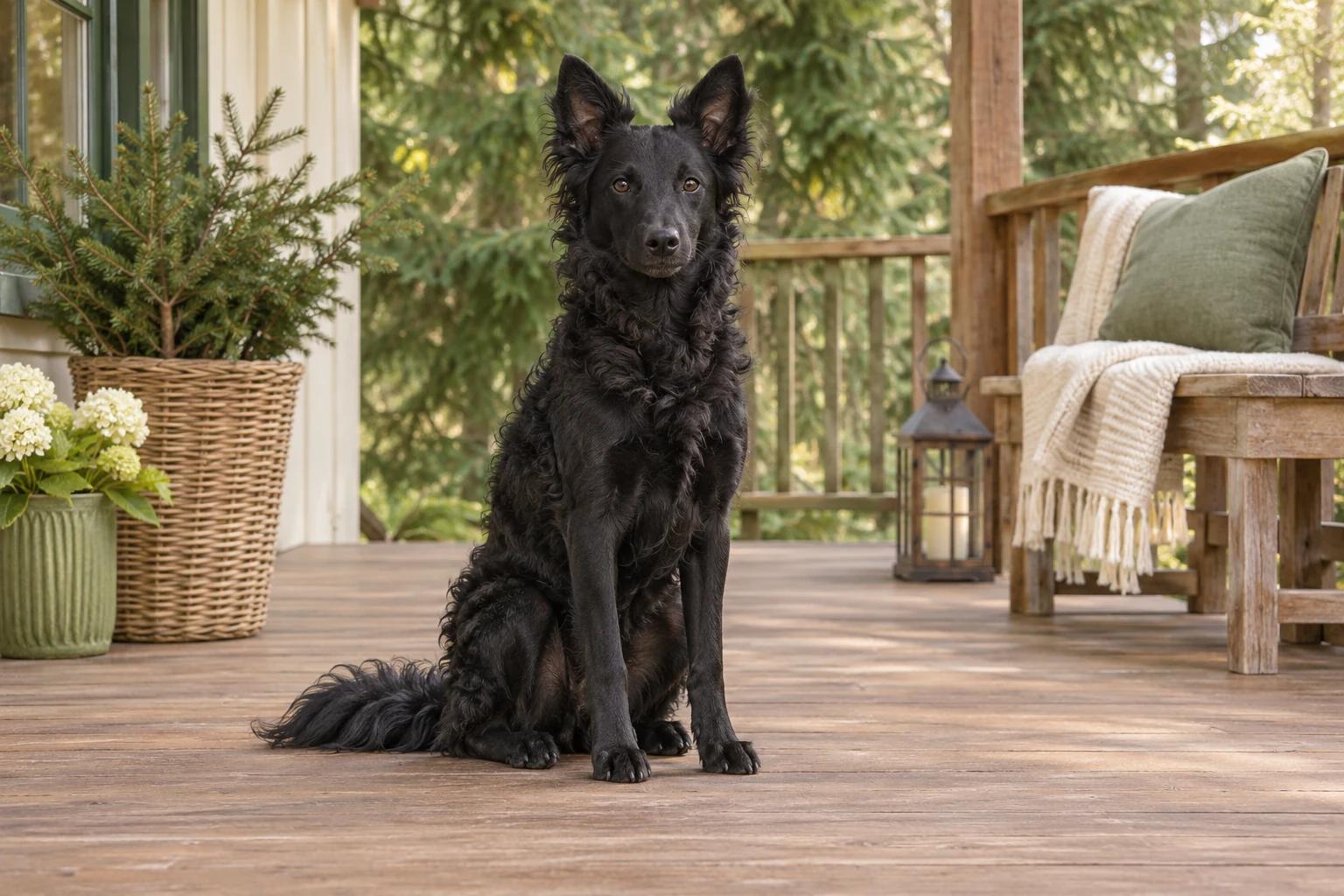
Mudi size can be deceptive in photographs. Erect ears, an animated stance and a textured outline can make the dog look quite different from one image to the next. In person, the useful impression is a compact working herder: enough substance for an active life, without the mass of a large pastoral breed. To decide whether that frame fits your home, look beyond a single number.
The Mudi breed profile gives an adult weight reference of 18–29 pounds. Treat it as a broad orientation rather than a promised result for a puppy or a target for feeding.
Mudi size is about proportions as well as scale
The UKC standard describes a medium-sized, moderately boned, muscular dog whose body is slightly longer than its height. That description is helpful when interpreting the Mudi's athletic outline. The intention is not a heavy, bulky frame.
The Mudi Club of America also notes variation in size, particularly in working dogs in the breed's homeland. For a prospective owner, that makes meeting adults and asking about the actual family more useful than assuming every Mudi will resemble a favorite photograph.
When someone asks how big do Mudis get, clarify what they need to know. Is the concern lifting the dog in an emergency, fitting travel equipment, complying with housing requirements or simply picturing a companion beside the sofa? Each question calls for different information.
See an adult standing, moving and resting
A formal standing photograph shows one useful view, but not the whole practical footprint. Ask to see ordinary movement and a relaxed resting posture during an appropriate visit. A dog curled tightly on a bed occupies less room than the same dog stretched comfortably on its side.
Notice the route through the room. Does the proposed bed location leave space for turning and passing? Can a person open a nearby cupboard without disturbing the dog? You are assessing your layout, not judging the dog's conformation.
If you only have photographs initially, ask for a clear full-body side view and the dog's age. Avoid estimating height by comparing the dog with an object of unknown size. Camera angle and distance can make those comparisons misleading.
An adult dog's existing equipment can provide useful context. Ask the caregiver what fits and why, while remembering that a brand's label is not a universal measurement. Seeing the arrangement helps you formulate better questions for your own purchases.
Keep three different questions separate
Mudi height describes the standing frame. Mudi weight describes what the scale reports. The space a dog needs for travel or rest depends on its full dimensions and the intended arrangement. Those measurements are related, but none substitutes for all the others.
For height, ask for a measurement at the withers, the shoulder area, rather than the tips of the ears. If you need a figure for a particular organization, obtain its measuring instructions. A casual home estimate may not be what that organization requires.
For weight, use a dated record rather than a guess based on lifting. Bring concerns about changes to your veterinarian, who can consider the dog's build and history. A dog does not need to be pushed toward the top of a reference range to look more substantial.
For equipment, read the specific instructions before taking measurements. Write down both the value and the units. Keep the information with the product details so that another household member does not accidentally order from a different sizing system.
Make puppy planning flexible
A young Mudi's current appearance does not provide an exact adult blueprint. Ask the breeder or caregiver what is known about the parents and other close relatives, and what basis they have for any estimate. Separate documented measurements from hopeful predictions.
You can prepare without pretending to know everything. Divide purchases into what must fit immediately, what is adjustable and what can wait. Keep the puppy's present comfort and fit central instead of buying oversized equipment solely to avoid replacing it later.
For example, you can identify where a future adult bed will go before choosing the final bed. You can measure the vehicle's available space before selecting transport equipment. These decisions reduce last-minute pressure without requiring an exact forecast of the puppy's dimensions.
Do not use food restriction or extra feeding to pursue a preferred adult size. Discuss growth and nutrition with your veterinary team. Your job is to provide appropriate care, not to force a puppy toward a shopping requirement.
Compact does not mean low demand
The Mudi's physical scale can be convenient for some homes, but it should not be mistaken for a small daily commitment. The breed profile describes a very active dog with a substantial interest in learning. Space and time are separate resources.
Consider a modest home with reliable access to suitable outings and engaged caregivers, versus a large home where nobody has time for the dog. Square footage alone does not describe either ownership plan. What matters is how the dog will live in the available environment.
A compact frame also does not establish that a dog can use an airline cabin carrier or any other restricted transport arrangement. Check the applicable requirements and the individual dog's dimensions before planning a journey around that assumption.
If you expect someone else to care for the dog, discuss handling arrangements with them. The relevant question is not merely whether the weight sounds manageable. They need to be comfortable with the dog's movement, equipment and established routines.
Make a size decision you can use later
Keep a short “fit record” rather than collecting disconnected estimates. Include the dog's age, dated measurements, current equipment and any questions that require professional input. Update it when circumstances change, particularly while the dog is growing.
Use that record when comparing products or discussing transport, not as a scorecard for whether your dog is typical enough. For a pet owner, a correct fit and a workable routine matter more than resemblance to an idealized silhouette.
Our Mudi coat guide can help explain another aspect of appearance. The dog breed quiz lets you consider physical size alongside activity, company and everyday practical needs.
FAQ
Is the Mudi a large dog?
The Mudi is generally described as a medium-sized working herder with a compact, athletic frame. Meet adult dogs and use individual measurements when assessing fit for a vehicle, equipment or a particular home restriction.
Can I predict adult Mudi size from a puppy photograph?
Not precisely. Ask for the puppy's age and information about close relatives, and keep plans flexible. Photographs can show appearance but do not establish a guaranteed adult height, weight or body shape.
Should my Mudi match an online weight exactly?
No. A reference range is not an individual feeding target. Discuss your dog's weight and development with your veterinarian, and use actual body measurements for equipment rather than trying to change the dog to fit a chart.
Sources behind this article
Article source checked: November 15, 2026. Source checked 2026-11-15
Keep reading

Airedale Terrier Temperament: What Everyday Life Can Feel Like
Read article →