Manx cat grooming: coat care without overcomplicating it
Learn Manx cat grooming through coat-specific care, gentle brushing, gradual handling and clear limits on what to attempt at home.
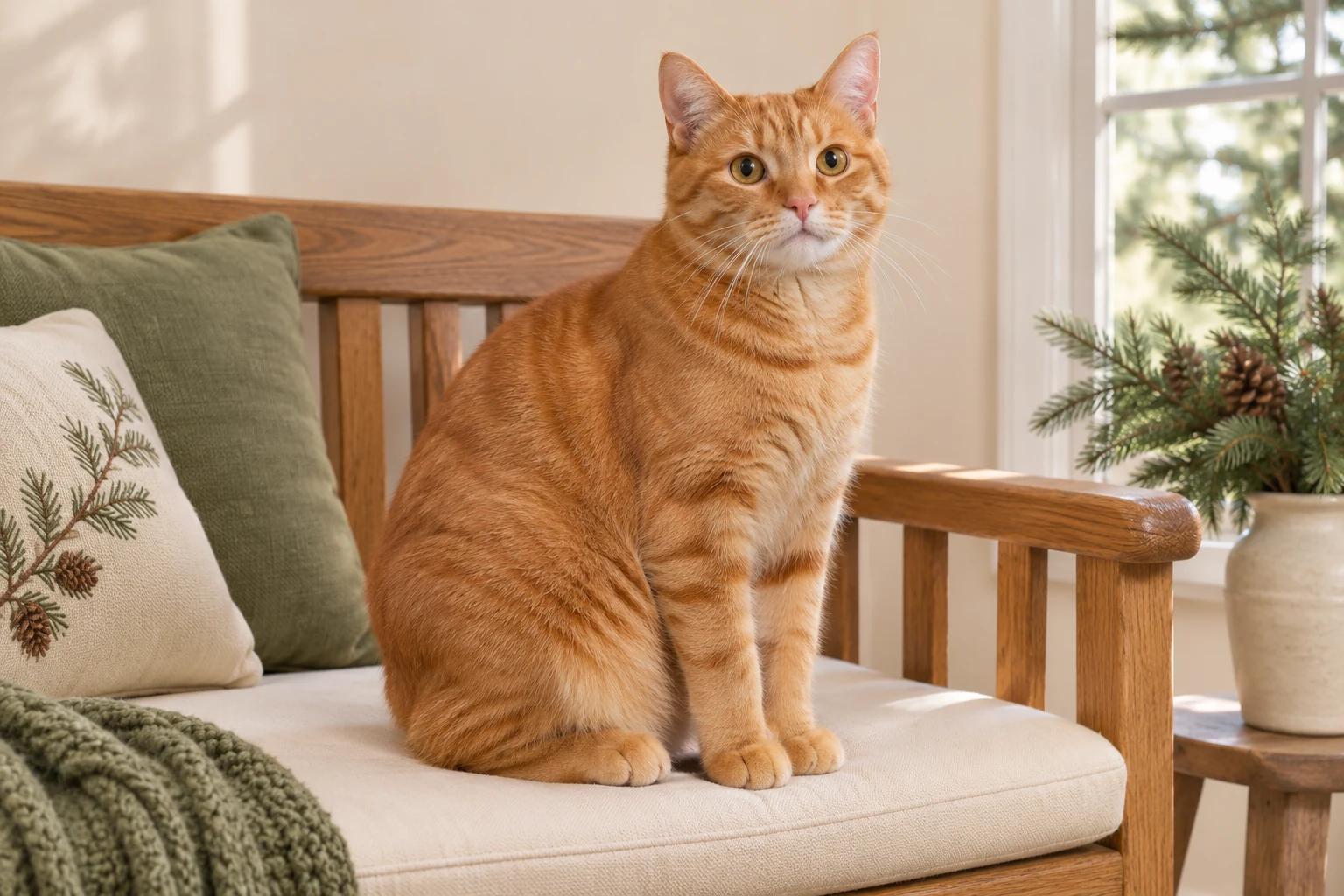
Manx cat grooming should answer three practical questions: what job the tool is doing, whether the cat is comfortable with that action, and where ordinary home care ends. A large equipment collection does not answer any of those questions by itself. Start with a clear purpose for the session rather than the intention to keep working until everything looks perfect.
The Manx profile provides the wider care context. This guide concerns coat care, not a home examination or a way of judging health from appearance. It keeps breed-specific information separate from general feline handling techniques. If your cat has individual care requirements, its veterinarian can advise how those affect grooming; a breed article cannot replace that assessment.
Manx cat grooming starts with the coat in front of you
CFA's Manx account distinguishes shorthaired and longhaired cats. For the shorthaired scope used here, it describes a dense double coat with a padded feel. Its care guidance allows either a comb or brush and gives two or three grooming sessions monthly as a starting point.
Short hair is not the same thing as little hair. The purpose is to work with the coat, not to flatten away the characteristic texture. A Manx does not need to resemble a sleek, close-coated breed after brushing.
CFA also allows seasonal variation, including a thinner summer coat. A photograph taken at another time is therefore not a useful target for reproducing exactly the same fullness. Manx cat shedding and the coat's appearance should not be reduced to one permanent visual standard.
The longhaired form has different care requirements; do not transfer a shorthaired routine automatically. For an individual cat, establish which coat you are actually caring for before deciding that advice written for a different length applies unchanged.
Understand what each pass is meant to accomplish
Blue Cross's shorthaired-cat method includes gentle massage at the base of the fur, followed by a bristle brush used in the direction of hair growth. A rubber brush or mitten then collects hair brought toward the surface.
These are different actions, not three instructions to repeat the same forceful stroke. The brush works through the hair; the rubber tool collects loosened hair. For Manx cat coat care, knowing the purpose helps you avoid repeatedly brushing simply because another tool is available.
Follow the direction the hair lies, rather than dragging back and forth over the same place. Keep the handling gentle. If you are unfamiliar with a tool, ask a qualified groomer or veterinary team to show you its use rather than trying to discover the appropriate pressure by persistence.
You are aiming for a manageable, comfortable interaction, not a particular quantity of hair collected on the brush. An almost empty tool does not mean you must press harder or keep going. Equally, changing tools does not reset the cat's willingness to continue. Think of the sequence as options serving a purpose, not an obligation to complete every possible pass.
Teach the brushing action in small pieces
RSPCA Australia's grooming guidance suggests beginning with a few gentle strokes in areas where the cat already enjoys being touched, using treats to build a positive association. Stroke count, time and the area covered can then increase gradually.
For someone learning how to groom a Manx cat, those are three separate changes. Adding another brushstroke is not the same as beginning a new body area. Extending the session while also introducing a different location can make the next attempt much more demanding than the previous one.
Keep the next step small enough that you know what you changed. An interaction need not immediately become a full-body session. The guidance specifically warns against forcing grooming or restraining a reluctant cat to finish the task.
This is general feline learning advice, not a claim that Manx cats have a special tolerance for brushing. The cat's participation matters more than reaching the end of an imagined schedule. If home grooming is not possible, seek help rather than turning each attempt into a struggle.
Know when the job belongs with a professional
PDSA's grooming guidance advises against tackling mats at home and recommends asking a veterinarian or reputable groomer about equipment and care suited to the pet. That is an important boundary between ordinary brushing and trying to correct a difficult coat problem.
For a Manx owner, needing help is not a reason to improvise with whatever cutting tool happens to be nearby. A knot that does not yield to ordinary comfortable grooming is not simply a larger version of loose hair on a brush. Continuing the same action more insistently does not make it the right task for home care.
PDSA distinguishes pets groomed at home from those needing professional sessions or care between visits. Ask which part of the work belongs in each setting. A professional appointment does not automatically eliminate every home task, and being able to brush at home does not make every coat problem a home project.
Ask which action belongs at home and which requires professional help. A breed’s grooming reputation cannot decide that.
For a separate care conversation, read the Manx kitten movement and toilet questions. Use the cat breed quiz for broader ownership preferences.
Frequently asked questions
What is the shorthaired Manx grooming starting point?
Shorthaired Manx grooming can use a comb or brush two or three times monthly, according to CFA.
Should Manx grooming training increase everything at once?
Manx grooming training can increase strokes, duration and body coverage gradually rather than all together.
Should I cut out a Manx coat mat myself?
For a Manx coat mat, seek professional help; PDSA advises against tackling mats at home.
Sources behind this article
Article source checked: November 16, 2026. Source checked 2026-11-16
Keep reading

Abyssinian Cat Grooming: Care for the Short Ticked Coat
Read article →