Lowchen temperament: understanding an involved companion
Explore Lowchen temperament through everyday company, play, learning and introductions, with practical questions to ask before choosing a dog.
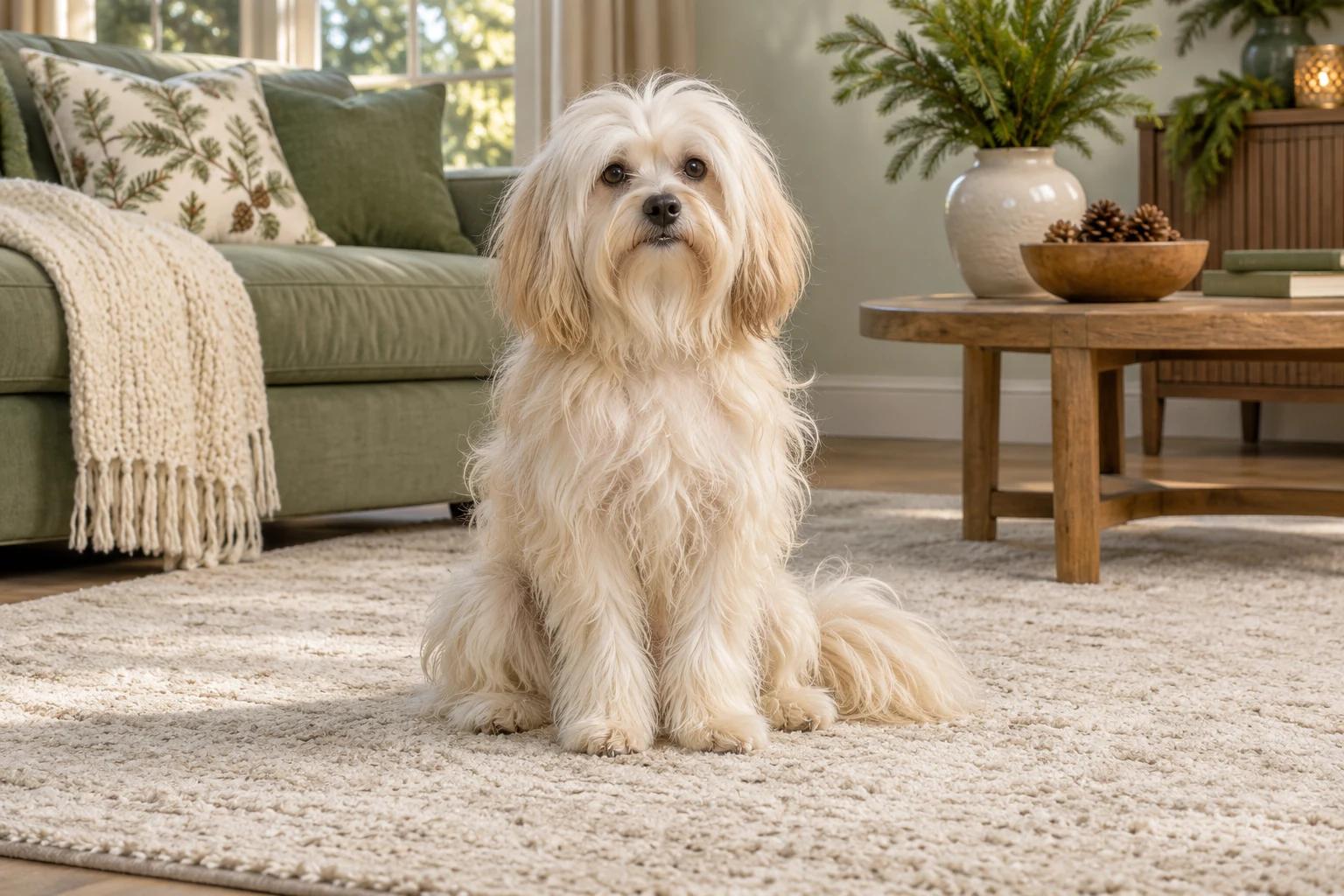
Lowchen temperament is often described in cheerful terms, but the useful question is how that personality fits ordinary life. A Löwchen is not simply a small figure with a distinctive haircut. Think about a companion who will have opinions about games, attention and the interesting things happening around the house.
Understanding the breed means translating appealing adjectives into arrangements you can keep. Where will the dog spend the afternoon? What will you do together? How will visitors arrive? Those questions make temperament relevant before a charming first meeting takes over the decision.
Lowchen temperament is about participation
The Canadian Kennel Club’s breed overview emphasizes an affectionate, outgoing and playful disposition, together with an interest in learning. VCA’s Löwchen overview likewise presents a companion that enjoys both activity and closeness with people. The common theme is involvement, not a dog that simply decorates a room.
In practical terms, make a place for shared activity in the schedule. That need not mean continuous entertainment. You might have a familiar game after an outing or a brief teaching session before settling down in the evening. The important question is whether interaction has a reliable place in your day.
If you want an entirely hands-off companion, revisit that expectation before choosing. A small body does not make social time optional. On the other hand, involvement does not require the dog to join every household task or accept attention from every visitor.
Learn what this dog finds enjoyable
Lowchen personality is easier to understand when you ask about preferences rather than labels. Ask the caregiver which toys the dog chooses, what starts a play session and how it usually ends. Find out whether the dog enjoys learning a new task or prefers a familiar activity in a busy setting.
During a meeting, let the caregiver show an ordinary interaction. You do not need a display of impressive tricks. A simple invitation to move together or approach a toy can reveal how the pair communicate. Ask what the dog does when nobody initiates anything.
Keep notes in plain language. “Brought a toy, then rested by the chair” is a more useful observation than “perfect temperament.” It tells you what happened without pretending that one visit explains the entire dog.
If you are considering a puppy, ask about the developing routine rather than expecting a settled adult personality. Describe your home and the situations the puppy will encounter. A discussion about experience gives you something to build on when the puppy arrives.
Channel playfulness into ordinary manners
A playful companion still needs a clear way to join household life. Decide where toys are used, how games begin and which behaviors you want around seated people. A Löwchen that likes interaction may be very noticeable during a video meeting, even when its intentions are simply social.
Choose a small number of useful skills: moving onto a resting mat, coming when invited and waiting while equipment is put on. Put practice in a quiet part of the day rather than attempting the whole lesson when visitors are already at the door.
Make household agreements before problems become habits. If one person encourages a game beside the dining table and another objects to interruptions there, the dog receives a confusing picture. Decide on the routine together and keep the explanation simple enough for a visiting caregiver to follow.
Training is also an opportunity to discover preferences. Notice whether a known toy, brief interaction or another appropriate reward helps the dog engage. You are building a working relationship, not checking whether the breed description was correct.
Plan greetings without demanding a performance
Outgoing is a broad tendency, not permission for strangers to overwhelm a dog. Give a Löwchen somewhere to observe a visitor and enough room to approach or remain apart. Ask guests to follow your routine rather than assuming a small companion wants to be picked up.
Consider what a greeting involves in your home. A visitor may arrive carrying bags, wearing outdoor clothing or speaking excitedly. Arrange the entrance so the dog is not required to navigate all that movement at once. Let the human arrival settle before inviting interaction.
Ask about previous experiences with other animals if your household includes them. Lowchen characteristics alone cannot establish the compatibility of a particular pair. Discuss introductions with the people who know each animal and allow separate space rather than planning on immediate shared access to everything.
For a busy social calendar, think beyond the first greeting. Where will the dog rest during a long meal? Who will notice if it needs a break? A friendly impression should not make the dog’s quiet space disappear for the evening.
Recognize the difference between company and constant access
Being close to people can take several forms. A dog may enjoy resting in the same room without ongoing touch, or regularly invite interaction. Ask which pattern the individual shows at home and how that changes during a busy day.
Create a resting area that remains available even when you are occupied. Think through the household traffic around it and the sounds nearby. You cannot evaluate a quiet-time routine fairly if the chosen spot is repeatedly disturbed by people passing through.
Arrange help for periods when nobody can provide care. Do not use a temperament description to calculate how long any particular dog can be left. If distress appears during time apart, seek qualified professional guidance rather than treating it as a personality quirk to ignore.
Lowchen behavior should also be considered over time. A sudden change in sociability, handling tolerance or enthusiasm deserves a conversation with a veterinarian. The breed label cannot explain every change in an individual dog.
Match the companion to the household you have
Before deciding, list the activities you can reliably share, the quiet-time arrangement and the support available when plans change. Then ask the caregiver where that differs from the dog’s current life. This turns a general temperament discussion into a practical transition plan.
The Löwchen profile provides wider context, and the dog match quiz can help organize your expectations. Keep coat presentation in its own conversation with the guide to a Löwchen grooming appointment. A distinctive appearance may introduce you to the breed; everyday participation is what you will live with.
FAQ
Is the Löwchen mainly a lap companion?
Closeness with people is part of the breed’s appeal, but it is not the whole picture. Breed descriptions also emphasize play and learning. Plan shared activities and outings as well as opportunities to rest together.
Does an outgoing temperament mean every greeting is easy?
No. An individual dog’s experience and the setting matter. Give a Löwchen room during introductions and ask its caregiver about familiar situations. Do not require contact just because a breed description uses sociable language.
What should I ask about an adult Löwchen’s personality?
Ask for examples of play, quiet time, greetings and periods apart. Find out which routines are familiar and what support helps in new situations. Specific observations are more useful than a single rating such as easy or difficult.
Sources behind this article
Article source checked: November 15, 2026. Source checked 2026-11-15
Keep reading
Lowchen size: measuring for a practical everyday fit
Read article →