Lapponian Herder Temperament: Calm, Capable, Engaged
Explore Lapponian Herder temperament through learning, working voice, household routines, and the questions that help assess an individual dog.
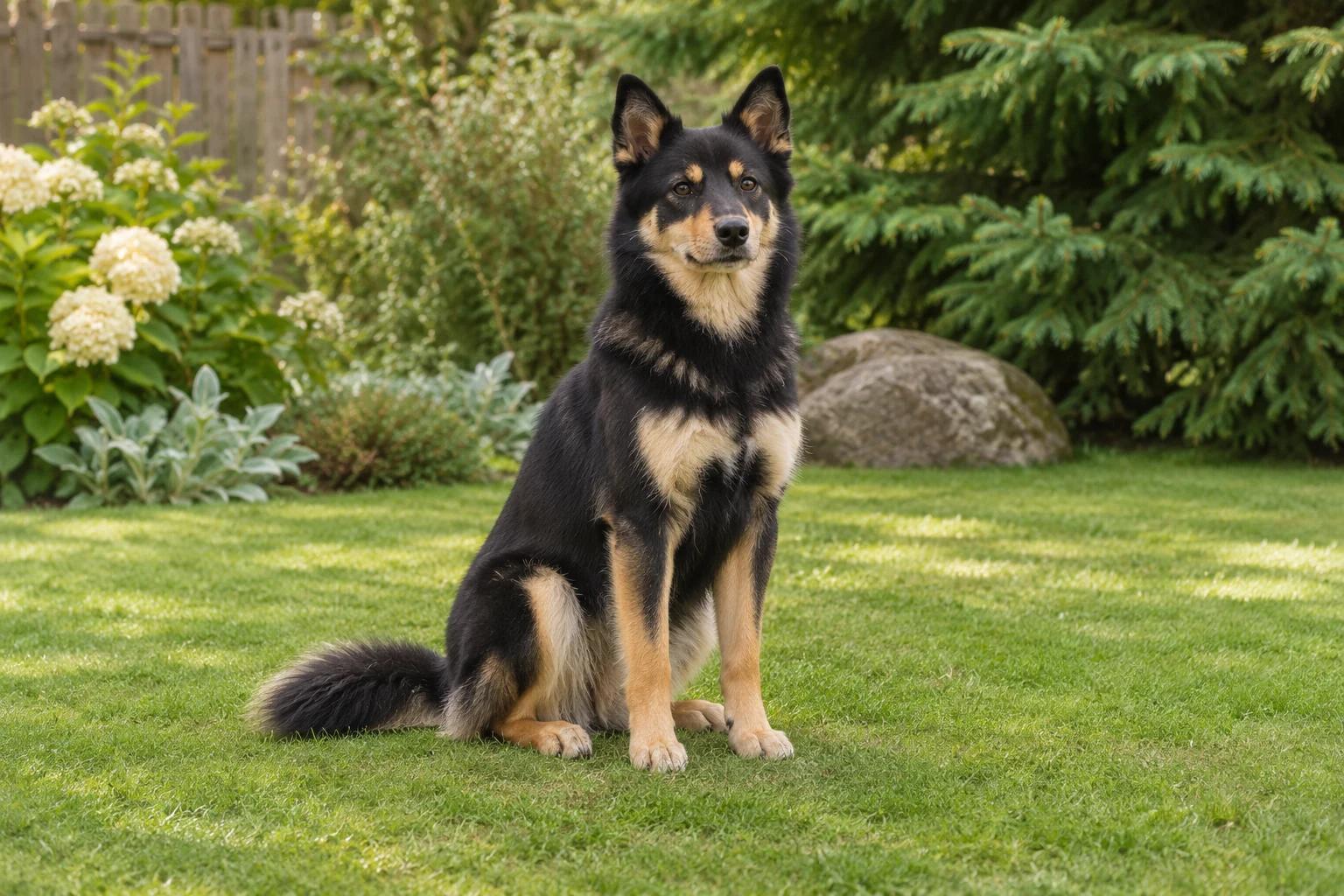
Lapponian Herder temperament can seem contradictory if you expect a dog to be either calm or energetic. A dog may be composed in one situation and ready to participate vigorously in another. For someone considering the breed, the useful task is to understand what helps those different parts of the day fit together.
Rather than asking whether a Herder is “easy,” ask what its current life requires from the person beside it. That turns an appealing description into a realistic ownership conversation.
Lapponian Herder temperament: calm does not mean inactive
The Finnish Kennel Club describes a calm, energetic, quick-learning dog with a willingness to work. It specifically connects barking with work. The AKC introduction likewise emphasizes a dog inclined toward tasks and problem-solving. These descriptions point toward engaged companionship rather than a promise of effortless behavior.
In a home, think of calm as something to observe in context. What happened before the dog lay down? Was the room familiar? Were its people nearby? What changes when a visitor enters? The answer is more informative than applying a single adjective to every situation.
The Lapponian Herder profile provides the broad reference. Your observations and the caregiver's detailed account help fill in the individual picture.
Learning ability changes your responsibilities
An interest in learning is appealing, but it also asks something of the owner. You need to decide which responses you want to practice and be consistent about how you communicate them.
Take an ordinary example: you want the dog to wait nearby while you prepare for an outing. What does “nearby” mean? Which place will you use? Who handles the lead? If every departure follows a different pattern, the dog has more to interpret than necessary.
For a prospective owner, try explaining one routine aloud before bringing the dog home. If the explanation becomes a long list of corrections, simplify it. A clear arrangement is easier for the whole household to follow.
Lapponian Herder personality should not become a reason to expect the dog to understand unspoken intentions. Being capable of learning does not mean arriving with your household's rules already installed.
A job can be small and ordinary
You do not need to invent an elaborate occupation to share purposeful activity. Choose a task that interests both of you and has an understandable beginning and end. That might be working through an easy search, practicing a familiar movement, or learning a useful routine with professional guidance.
Avoid calling every demand a job. A dog repeatedly trying to engage an occupied person is a situation to understand, not proof that it requires continuous instruction. Look at the whole pattern: opportunities for activity, transitions, rest, and the way people respond.
If you enjoy structured hobbies, ask about introductory options that suit the individual dog. If you do not, discuss how ordinary outings and home activities could form a sustainable day. Be specific about what you can provide rather than promising limitless entertainment.
Listen to the context of vocal behavior
The breed's working voice is worth considering before choosing a home arrangement. Ask a caregiver to describe typical barking episodes: what happened, how long the situation lasted, and what the people did next.
Compare those examples with your address. A front window overlooking passing traffic is different from a resting area away from the entrance. A shared wall may make an otherwise manageable habit more consequential. You can plan the environment, but you should not assume that planning will make every dog silent.
For Lapponian Herder behavior, record the sequence rather than only the sound. “Barked when the gate moved and then followed the owner indoors” gives you more to discuss than “vocal.” Persistent distress or difficult behavior warrants qualified help, not a dismissive explanation that working dogs are simply like that.
Meet the dog without staging a performance
A first visit should allow some ordinary time. Ask the caregiver to describe what is happening instead of repeatedly asking the dog to show skills. Notice whether it can move away from you and whether it chooses to return.
Do not make immediate physical affection the test of friendliness. Give an unfamiliar dog space and follow its caregiver's guidance. The relationship you are evaluating will develop through repeated experiences, not one forced greeting.
If a household already includes animals, prepare a detailed account of them. Include their daily routines, access to rooms, and any situations that need management. A breed description cannot settle the compatibility of a particular pair.
Distinguish the dog from the day's circumstances
A dog seen after travel may behave differently from one met at home. A puppy in a busy event has different demands on its attention from an adult resting in a familiar room. When assessing Lapponian Herder characteristics, note the setting before interpreting the response.
Ask which behaviors the caregiver sees consistently and which are unusual that day. For an adult, request examples across several ordinary situations. For a puppy, ask how experiences have been introduced and what follow-up support is available as the dog develops.
Bring your own household's difficult moments into the conversation. If you often work late, host visitors, or travel, explain that. A useful assessment includes the parts of life that are not designed around the dog.
Decide what kind of partnership you want
The best reason to choose a Herder is not that you admire intelligence in the abstract. It is that you want to participate in the kind of daily relationship the individual dog is likely to need.
List the parts you look forward to and the parts you would need help with. Arrange support for the latter before they become urgent. The exercise is not about proving that you are an ideal owner; it is about making a workable decision with the information available.
Keep visual interpretation separate from personality assessment. Our article on the Herder's tail in different movements explains outline without treating a single tail position as a complete emotional reading. The breed quiz can help organize your expectations about the wider relationship.
FAQ
Can a Lapponian Herder be calm and energetic?
Yes. Those descriptions refer to different aspects of behavior and can coexist. Ask what a particular dog's active periods, transitions, and quiet periods look like rather than expecting one adjective to describe the entire day.
Does an intelligent Lapponian Herder train itself?
No. Learning still depends on clear communication, practice, and consistent household arrangements. Choose understandable tasks and seek qualified support when you need help designing a routine.
Does the breed's working bark predict behavior at home?
It is a reason to discuss vocal behavior, not a precise forecast. Ask about the individual dog's triggers and routines, and consider the sound-sensitive parts of your own housing situation.
Sources behind this article
Article source checked: November 15, 2026. Source checked 2026-11-15
Keep reading

Airedale Terrier Temperament: What Everyday Life Can Feel Like
Read article →