Lapponian Herder Shedding: Managing the Double Coat
Understand Lapponian Herder shedding, organize coat care and cleaning, and learn what to record when the pattern changes.
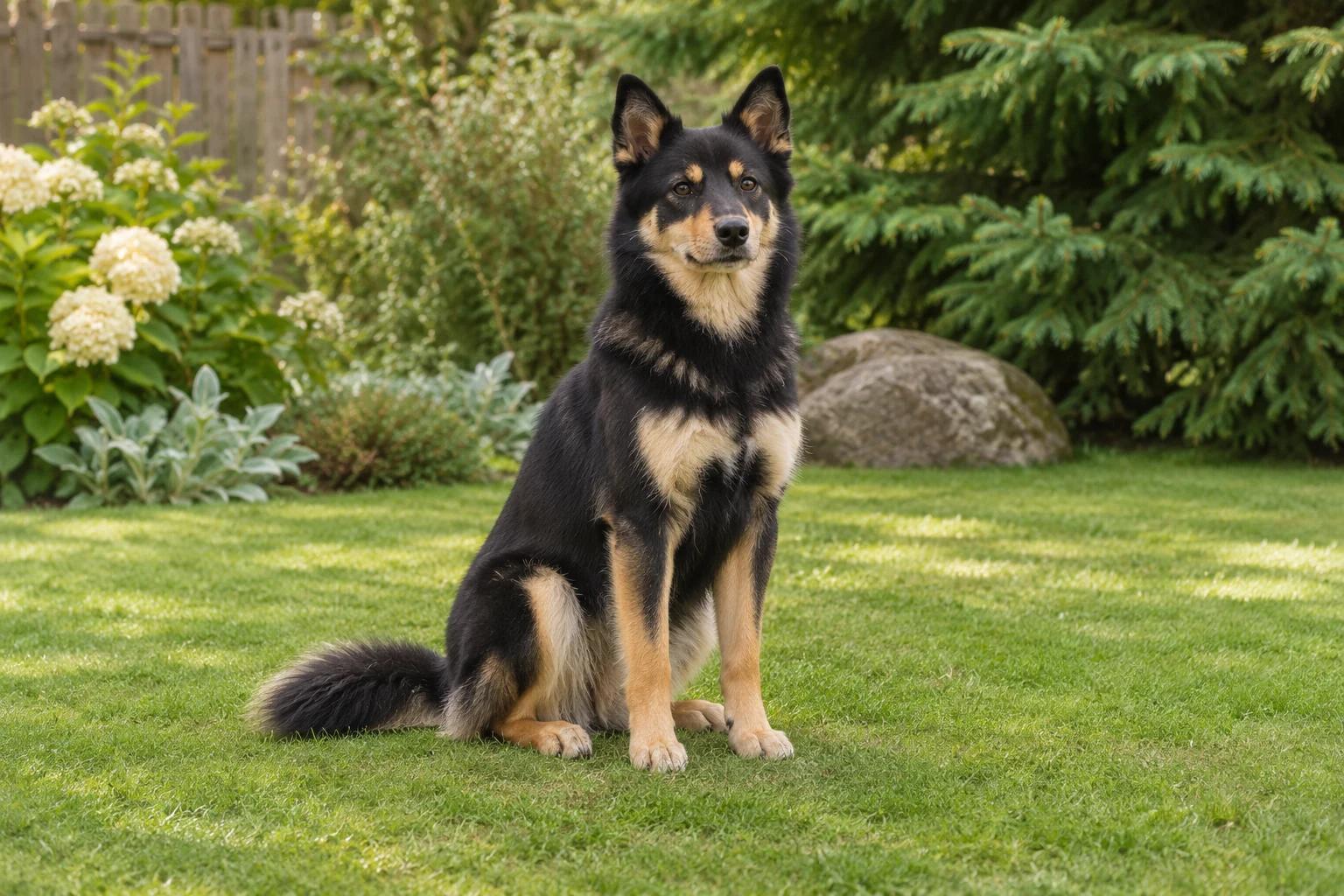
Lapponian Herder shedding belongs in the practical budget for living with the breed: time for coat care, washable resting places, and some household cleaning. Do not judge the commitment only from a tidy photograph. A dog can have a fairly defined outline and still have a substantial undercoat beneath the visible surface.
You do not need to forecast every loose hair before choosing a dog. You do need a realistic way to maintain the coat and a willingness to adapt when your own dog's pattern changes.
Lapponian Herder shedding and the coat underneath
The UKC Lapponian Herder standard describes a double coat with a harsh, straight outer layer and fine, dense undercoat. It also identifies fuller hair around the neck, chest, and backs of the thighs. Those areas deserve attention when you ask a groomer to show you the coat, even if the overall outline looks uncomplicated.
Shedding is not the same task as removing surface mud. A wipe after an outing may deal with visible dirt while leaving loose hair in the coat. Build your plan around both jobs rather than assuming one replaces the other.
The Lapponian Herder profile provides the wider care context. Coat maintenance is a recurring part of ownership, alongside the dog's activity and companionship needs.
Expect a pattern, not an exact calendar
VCA's seasonal-shedding explanation describes how many dogs shed more as coats change with the seasons. That general pattern does not establish exact dates or a fixed number of heavy weeks for every Lapponian Herder.
Ask the current caregiver what they have observed with this dog in their home. How does the amount of hair change? Which part of the routine needs more attention? Are they describing a mature dog or a puppy whose coat is still changing?
If the dog is new to you, begin a simple record instead of trying to fit every observation to a borrowed timetable. Note the date, what the coat looked like, and whether grooming was comfortable. A few clear notes are more helpful than an elaborate chart you abandon after a week.
Learn where the brush is working
VCA's home-grooming guidance explains that brushing removes loose hair and debris and that tool choice depends on coat type. For Lapponian Herder coat care, have a groomer demonstrate how to work through the actual coat in front of you. Ask how to recognize when you are merely skimming the surface and how to avoid excessive pressure.
Bring the tool you already own to the demonstration if possible. That lets the professional assess both the equipment and your technique. Do not assume a product described as a de-shedding tool is automatically the right option for every double-coated dog.
Use a consistent path through the coat so you can remember what you have checked. Divide the task into manageable sections if necessary. A short completed section is more useful than hurriedly passing over the whole dog without knowing what you reached.
The fuller areas identified in the breed standard can serve as reminders, not targets for harder pulling. If you encounter something you cannot comfortably work through, stop and ask for help.
Separate grooming from the cleanup that follows
Arrange the space so that collected hair has somewhere to go. Keep a waste container nearby, choose a surface you can clean, and put away tools after the session. This makes a recurring task less disruptive to the rest of the household.
Think about the places the dog uses most, not every surface equally. A removable cover on a favorite resting place may save more effort than an intensive whole-house clean. Include the car or transport area in the plan if the dog travels regularly.
If two people share care, agree on who checks the coat and who cleans the equipment. Otherwise, a task can be done twice in one area and missed elsewhere. A brief note such as “left side checked, finishing tomorrow” is enough to coordinate.
Do not measure success by whether you can eliminate all hair. The practical aim is a maintained coat and a home-cleaning routine you can live with.
Bathing without making it the answer to everything
A bath is a separate care decision, not an automatic response to each increase in loose hair. VCA recommends brushing before bathing and using products formulated for dogs. Discuss the bathing routine with a groomer or veterinarian if you are unsure what fits your dog's coat and circumstances.
Prepare the entire process before starting: secure footing, the agreed product, towels, and enough time for rinsing and drying. A partly prepared bathroom can turn a straightforward task into a rushed one.
For a dog that finds the setup difficult, ask for help introducing the experience rather than trying to complete a full bath by force. Professional assistance can be part of an ordinary maintenance plan, not only an emergency option.
Do not add supplements or change a veterinary care plan in response to shedding without discussing it with your veterinarian. Loose hair alone does not tell you what a dog needs nutritionally or medically.
When the familiar pattern changes
You are likely to notice changes more clearly if you already know the usual coat and grooming response. If there are bare areas, skin changes, persistent discomfort, or a marked unexplained difference, ask your veterinarian rather than assuming it is ordinary seasonal shedding.
Record what you actually observed. Include when you first noticed it, the area involved, and any recent changes in the care routine. A clear photograph may help explain the concern, but it does not replace an examination when one is needed.
When learning how to groom a Lapponian Herder, this distinction matters: ordinary maintenance is something you can learn, while unexplained changes deserve individual assessment. You do not need to diagnose the cause before asking for advice.
Prepare before committing to the breed
Spend time with adult Herders if possible and ask about the unglamorous parts of coat care. Include grooming arrangements when comparing your preferences in the breed quiz. The existing article about the Herder's tail at rest and in motion concerns visual presentation; it does not predict how much hair a particular dog will leave on your sofa.
FAQ
Do Lapponian Herders shed?
Yes. Plan for loose hair and regular coat maintenance. The double coat includes dense undercoat, so a tidy silhouette should not be mistaken for a coat with no shedding commitment.
Does every Lapponian Herder shed heavily on the same schedule?
No fixed calendar describes every dog. Seasonal changes can affect shedding in dogs generally, but ask about the individual Herder's pattern and observe it in your own household.
Which grooming tool should I buy first?
Ask a groomer to examine the coat and demonstrate an appropriate tool before building a kit. Technique, pressure, and reaching the relevant coat layer matter more than buying the largest selection.
Should I brush harder when more hair appears?
No. More loose hair is not a reason to use more force. Seek guidance on technique and session length, and consult your veterinarian if grooming becomes uncomfortable or the skin changes.
Sources behind this article
- United Kennel Club: Lapponian Herder ↗
- VCA Animal Hospitals: Home Grooming Tips ↗
- VCA Animal Hospitals: Seasonal Shedding ↗
Article source checked: November 15, 2026. Source checked 2026-11-15
Keep reading

Affenpinscher Grooming: A Practical Coat-Care Routine
Read article →