Lancashire Heeler Exercise Needs: Plan an Active Week
Meet Lancashire Heeler exercise needs with a sustainable mix of outings, shared tasks, and downtime, plus a practical plan for busy days.
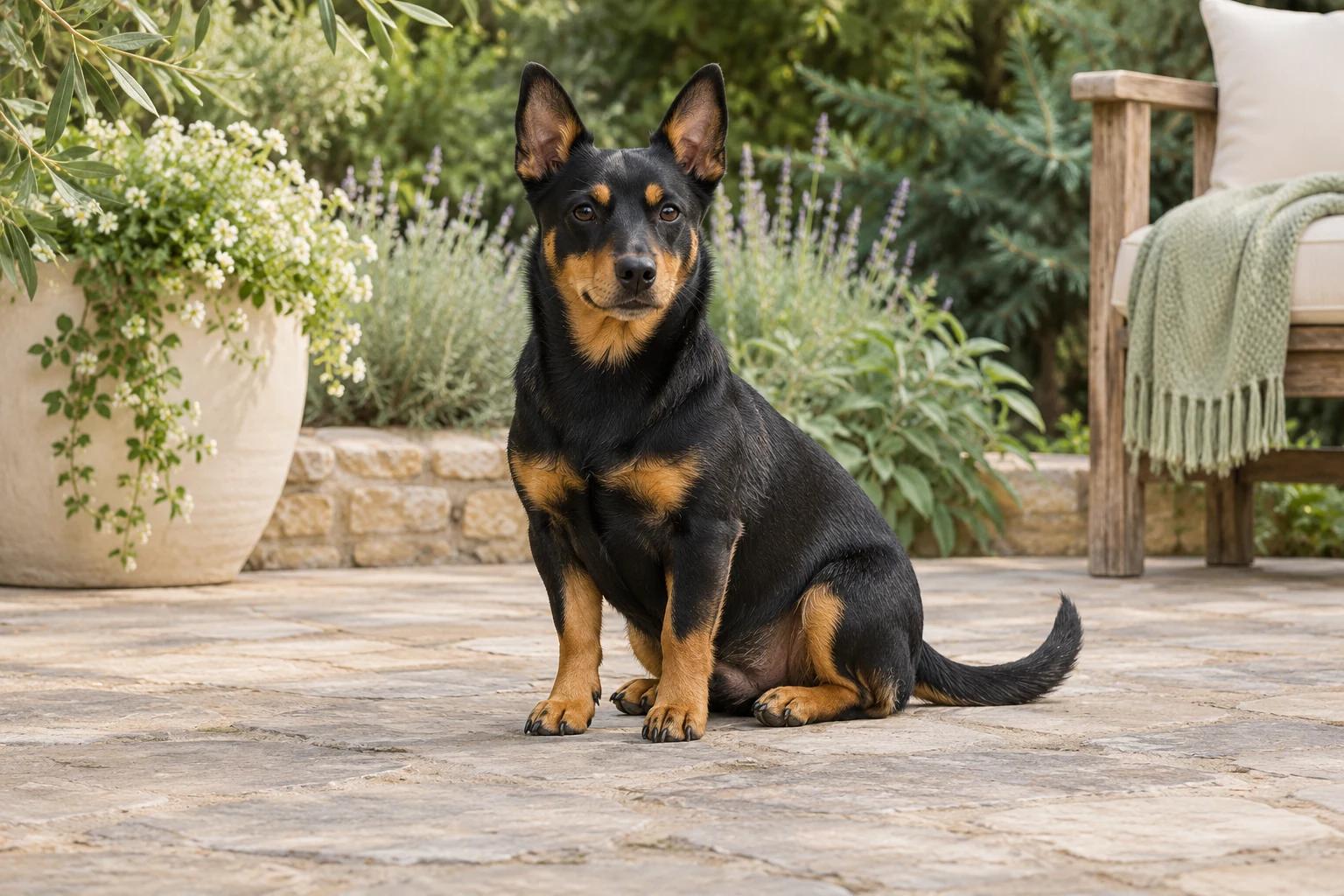
Lancashire Heeler exercise needs deserve a place in your calendar before the dog comes home. The most useful plan is not a heroic weekend followed by improvised weekdays. It is a repeatable pattern of outdoor time, shared activity, and opportunities to stop. Think about the entire week, including the day you finish work late or the usual path is closed.
For this compact dog, an exercise plan should include your participation, not merely access to a space where something might happen.
Lancashire Heeler exercise needs: movement plus involvement
The AKC breed introduction describes medium-to-high energy and quick learning. Its recognition announcement also emphasizes human interaction and mental engagement. Those points suggest a practical combination: make some activities shared tasks rather than treating the day's exercise as mileage alone.
A weekday could include an exploratory outing, a short lesson built into ordinary movement, and play in a suitable space. That is an example to adapt, not a required timetable. Start with the dog's established routine and obtain veterinary guidance about suitable activity for its age and condition.
Our Lancashire Heeler profile provides the broader ownership reference. Keep exercise alongside rest, care, and company rather than expecting it to solve every household difficulty.
Draw a map of your actual week
On paper, divide each day into the periods when someone is available. Mark the outdoor breaks that are already feasible. Then identify the gaps that depend on another person or on a plan you have not yet made.
This is where vague intentions become useful decisions. “We will do lots of walks” may conceal an unplanned midday period. “I can provide the morning outing, and this person has agreed to the afternoon break” tells you what is actually covered.
Add travel and weather constraints. If every outing depends on a car journey, what happens when the car is unavailable? If your preferred route has limited opening hours, what is the alternative? Lancashire Heeler activity level is easier to accommodate when the logistical basics are not reinvented each day.
Design one walk around choices
A Lancashire Heeler daily walk need not feel identical from the first step to the last. Identify a section where you need organized movement, such as the route past parked cars. Choose another place where there is room for unhurried investigation within lead control.
Decide where you can step aside if a path becomes crowded. Keep that option available rather than insisting on finishing the exact route. A shorter route with sensible space may be more workable than squeezing through a bottleneck to reach a favorite field.
Give the walk a purpose you can describe afterward. Perhaps you explored a quieter route, practiced a smooth departure, or spent time investigating a familiar open area. That record tells you more than an isolated duration.
Do not use every interesting moment to test obedience. You can reserve a small part of the outing for practice and let the rest be an outing. Clear expectations make it easier to notice progress.
Turn a small space into a shared task
For an at-home activity, choose a simple object-finding game or a few easy movements between clear landmarks. Put the task in an uncluttered area with good footing. Use objects that are appropriate for the dog and supervise throughout.
A low-key example is moving together from one side of a room to the other, pausing at a chosen spot, then changing direction. It gives you a chance to practice communication without needing a long course or specialized equipment. Adjust the challenge to what the dog already understands.
Keep an ending in mind. Put the equipment away, clear the area, and return to a quieter routine. If you cannot comfortably finish the activity, reconsider its structure rather than assuming the solution is another round.
The Heeler's willingness to learn is an invitation to cooperate, not a reason to fill every waking moment with instructions. Leave room in the day for doing nothing together.
How much exercise does a Lancashire Heeler need?
A single universal duration does not account for age, previous conditioning, weather, terrain, or health. Begin by asking what the individual dog currently does, then discuss changes with the appropriate care professional. Do not treat a breed label as clearance for a demanding new activity.
For your own assessment, keep a week's record of the kind of activity offered and what followed it. Note whether the outing was relaxed or crowded, whether the dog participated willingly, and whether there were unexpected difficulties. Describe changes in comfort or stamina to your veterinarian.
Use the record to improve the plan, not to compete with another owner's totals. Two households can provide quite different days even when both report the same walking time.
Classes and organized activities
If you enjoy learning alongside a dog, ask local instructors about suitable introductory activities. Before enrolling, find out how much waiting is involved, how dogs are separated, and what skills the class expects participants already to know.
Watching a session can be more informative than reading a course title. Look at the space between dogs, how instructors adjust tasks, and whether participants can take breaks. Explain your dog's experience honestly so the instructor can suggest an appropriate starting point.
You do not need a competition goal to make a class worthwhile. Equally, you do not have to add organized sport if your current routine already provides manageable shared activities. Choose something you can sustain and genuinely want to learn.
Protect the ordinary day
Keep a backup lead, suitable walking clothing, and a simple care note ready for whoever covers an outing. Include the usual route, known difficult spots, and how to contact you. A substitute walker should not have to guess what “a normal walk” means.
The existing Heeler working-day article explains why small size alone is a poor ownership shortcut. This exercise plan takes the next step: arranging the time, places, and support for an actual week. The breed quiz can help you check whether those commitments match what you want from life with a dog.
FAQ
Does a Lancashire Heeler need more than outdoor access?
Plan shared activity rather than relying on access alone. A garden or yard tells you where the dog can go, but not whether its day includes purposeful movement, exploration, or interaction.
Must a Lancashire Heeler compete in dog sports?
No. Organized activities are options, not requirements. Introductory classes may suit an owner who enjoys them, while a sustainable routine can also include ordinary outings, play, and small training tasks.
Can I make up for quiet weekdays with a very long weekend walk?
Do not build the plan around that assumption. Arrange workable daily opportunities first and seek guidance before adding unfamiliar physical demands. Weekend outings should fit the dog's preparation and condition.
Sources behind this article
Article source checked: November 15, 2026. Source checked 2026-11-15
Keep reading

Afghan Hound Exercise Needs: Build a Workable Active Day
Read article →