Kishu Ken Shedding: Managing the Seasonal Coat
Manage Kishu Ken shedding with a practical coat-care station, seasonal observations, grooming questions and a realistic home-cleaning plan.
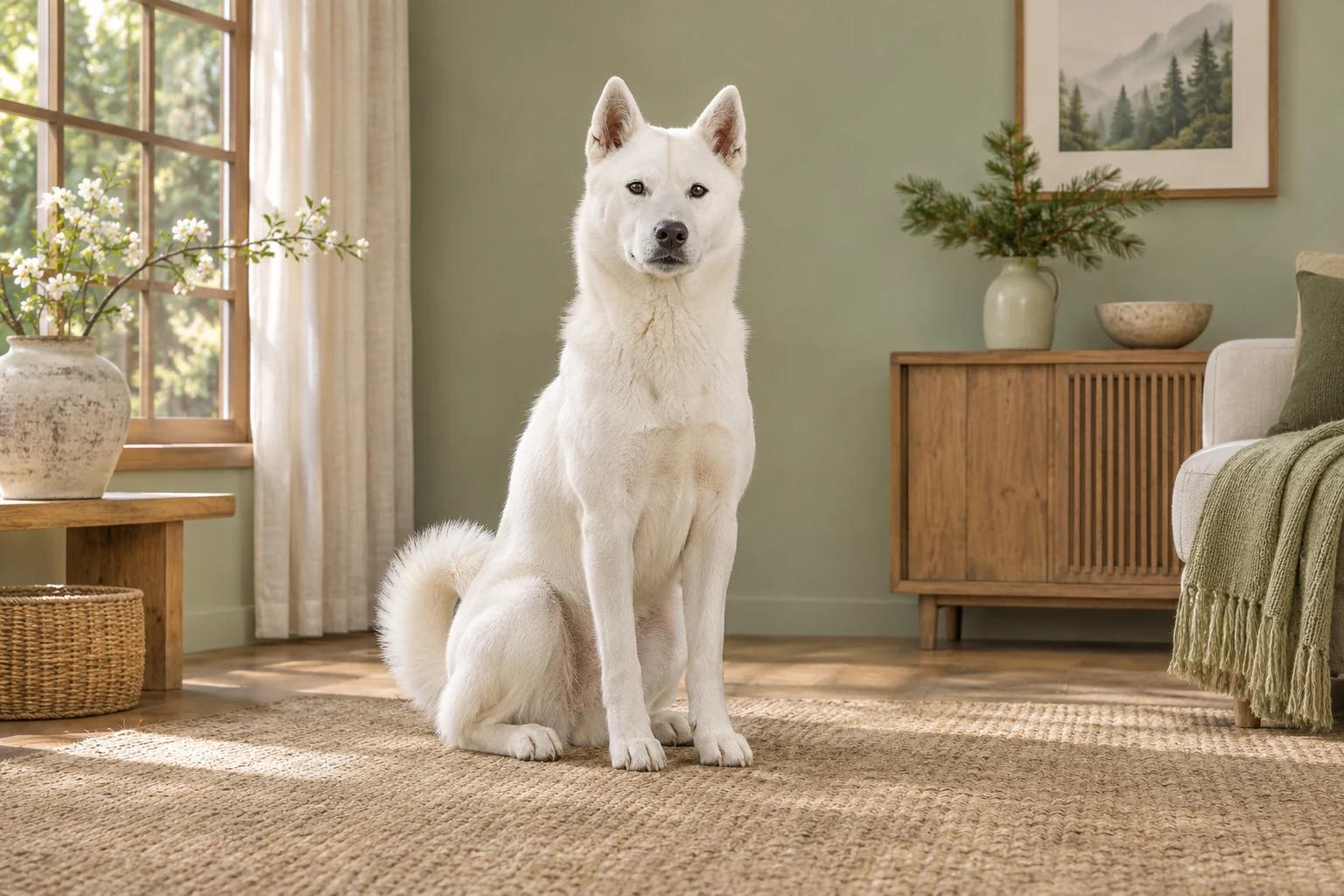
Kishu Ken shedding deserves a place in your ownership plan even though the coat is relatively short. Short hair does not mean no loose hair, and the amount you notice can change as the coat changes. The useful goal is not a permanently hair-free home. It is a manageable routine that lets you care for the dog, recognise changes and clean the places where hair collects without turning every day into a major project.
Kishu Ken shedding and the two coat layers
The FCI Kishu standard describes a harsh, straight outer coat and a soft, dense undercoat. The National Kishu Ken Club explains that seasonal shedding reduces the undercoat, with a fuller winter coat and a flatter-looking coat possible in summer. A photograph from one season is therefore not a complete picture of the coat you will maintain throughout the year.
Use that information to prepare, not to predict an exact calendar. Ask the current caregiver when they tend to notice more loose hair and how their routine changes. Record what happens with your own dog rather than assuming that another owner's dates will fit your home.
The Kishu Ken profile gives the broader care picture. For shedding, focus on the coat in front of you: how readily loose hair comes away, whether the dog is comfortable with handling and whether your usual tools still suit the job.
Build a small care station before buying more tools
Choose a quiet, well-lit location with a stable, non-slip surface. Put the tools you actually use within reach, along with a towel, a container for collected hair and suitable rewards. If preparation takes longer than the session, the routine is more likely to be postponed.
Ask an experienced groomer to demonstrate a suitable brush and comb on your Kishu's coat. Watch the amount of pressure, the direction of movement and how the groomer handles areas where the dog is less comfortable. A tool with an impressive product description is not a substitute for learning how to use it.
The AKC double-coat grooming guide recommends regular brushing followed by combing, taking care to brush the hair rather than scrape the skin. It also stresses thorough rinsing and drying after baths. Treat those as basic care principles, then ask for a demonstration tailored to your dog rather than copying the same vigorous routine across every double-coated breed.
Keep your first shopping list short. Add another tool only when you can explain what it will do differently and someone knowledgeable has shown you its use. Owning several brushes does not make the routine more effective if none reaches the areas you intend to check comfortably.
Make the session a sequence you can repeat
Kishu Ken coat care is easier to organise when you know where you will start and what counts as finished. Choose a small section, work gently and assess how the dog responds before continuing. You do not need to finish the entire coat in one long sitting simply because you have set out the equipment.
An example record might say: shoulders checked, one side brushed, dog comfortable, other side saved for the next session. That is more helpful than “groomed today,” particularly if two people share care. It prevents the same easy area receiving all the attention while less convenient areas are repeatedly missed.
Keep the surroundings consistent while the dog learns the routine. Avoid pairing a new brush, a noisy dryer and a new handling position in the same first session. If the dog moves away, pause and review what changed. A groomer or qualified trainer can help you make handling more manageable rather than turning the task into a struggle.
During a heavier shed, check the coat more often and adjust the schedule to what you find. Do not judge success by the size of the pile of hair. The goal is appropriate care, not removing as much coat as possible in a single attempt.
Bathing needs time at both ends
A bath should fit into a complete plan, including preparation and drying. Do not start just before a work call or an appointment that will force you to rush. Ask your groomer which bathing products suit the dog's coat and how to rinse and dry effectively in your setup.
The AKC guide cautions against overdoing baths and does not present shaving as a solution to shedding. If you are considering a substantial coat change, discuss the reason with a qualified groomer and your veterinarian where appropriate. A shorter-looking coat does not remove the underlying need to manage loose hair.
For home bathing, prepare towels and clear the route to the drying area first. Decide where the dog will wait while you clean up. These unglamorous details can make the difference between a calm planned task and chasing a wet dog through several rooms.
Clean where the coat travels
Map the dog's usual route through the house: bed, favourite resting spot, hallway, car and outdoor entrance. Put your cleaning effort into those places first. A washable cover on a frequently used seat may be more practical than trying to keep every cushion untouched.
Separate the dog's coat-care routine from household hair removal. Brushing does not mean there will be no hair on clothing, and cleaning furniture does not replace caring for the coat. Give each task a realistic place in the week.
If you share a home, agree on responsibilities rather than assuming the person who notices hair will always handle it. One person might maintain the care station while another washes covers. Keep tools stored securely and remove collected hair promptly so that the grooming area is ready for the next session.
Visitors and travel add small planning questions. Carry a washable car cover if useful, explain your dog's usual routine to a sitter and leave clear instructions about which tools to use. Avoid asking someone unfamiliar with the dog to attempt a lengthy first grooming session while you are away.
Know when observation should become a question
Seasonal change is context, not an explanation for every coat problem. If you notice unusual hair loss, irritated skin, persistent scratching or a marked change from the dog's normal pattern, consult your veterinarian. Do not keep brushing harder or buy products to treat an assumed cause.
Photographs and a brief dated note can help you explain what changed. Record the location, when you first noticed it and whether any routine changed. Leave diagnosis and treatment decisions to your veterinarian.
If you are researching how to groom a Kishu Ken before ownership, ask to observe a normal care session. It will tell you more about the time and cooperation involved than a freshly groomed photograph. The existing Kishu colour guide covers appearance without replacing this practical routine. The breed quiz can help you weigh coat care alongside the rest of your household commitments.
FAQ
Do Kishu Ken shed despite having short coats?
Yes. The Kishu has an undercoat as well as an outer coat, and the breed club describes seasonal coat changes. Include loose-hair management in your plans instead of treating a short coat as a no-shedding coat.
How often should I brush a Kishu Ken?
Set a regular routine with guidance from a groomer, then adjust it when loose hair increases or the coat needs attention. The dog's actual coat and comfort matter more than copying a fixed schedule from another owner.
Should I shave a Kishu Ken to reduce shedding?
Shaving is not a shedding solution. Discuss any substantial coat change with a qualified groomer, and involve your veterinarian if there is a medical concern. Routine coat care and household cleaning remain necessary.
Sources behind this article
Article source checked: November 15, 2026. Source checked 2026-11-15
Keep reading

Affenpinscher Grooming: A Practical Coat-Care Routine
Read article →