Kerry Blue Terrier vs Standard Schnauzer: Daily Life
Compare Kerry Blue Terrier vs Standard Schnauzer routines, training, grooming commitments and the questions to ask before choosing.
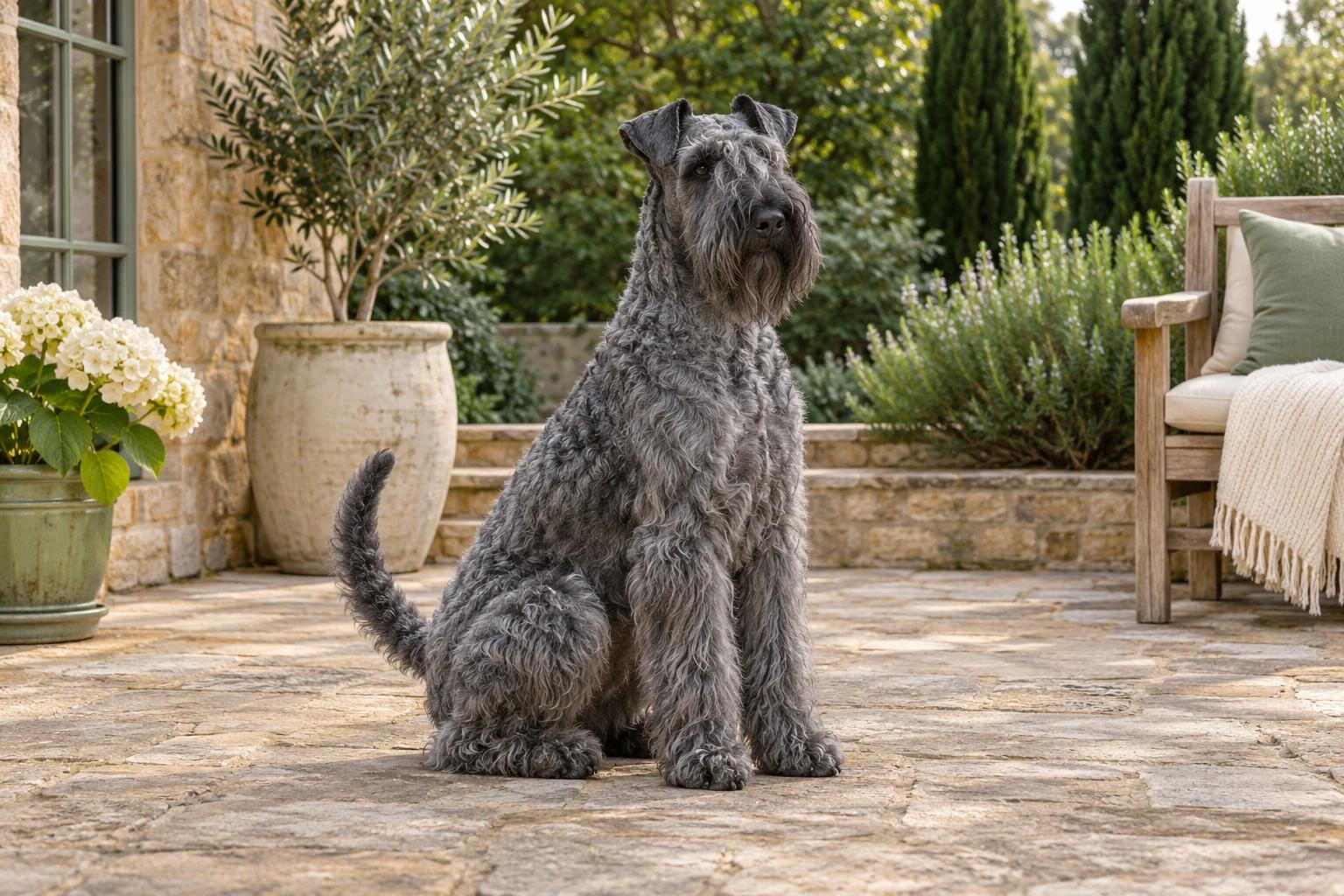
Kerry Blue Terrier vs Standard Schnauzer is a comparison between two substantial, bearded companions, not two versions of the same dog. Their outlines can look similar from across a park. The more useful differences emerge when you ask what happens at the front door, during a training session and between grooming appointments. Start with the Kerry Blue Terrier profile and Standard Schnauzer profile, then picture each dog living through your ordinary workweek.
Kerry Blue Terrier vs Standard Schnauzer: the useful distinctions
The Kerry has an Irish farm-dog background and an enthusiastic, determined character in the UKC Kerry standard. The UKC Standard Schnauzer standard describes a German guard and rat-catching background, with a lively, trainable temperament. Neither history means a modern companion arrives knowing a household job. It does suggest that choosing purely for the beard misses much of the commitment.
A practical difference between Kerry Blue Terrier and Standard Schnauzer is coat construction: soft waves in the Kerry, versus a harsh outer coat and dense undercoat in the Schnauzer. That calls for separate grooming conversations rather than a shared request for a generic terrier haircut. Do not make coat appearance the entire decision, however. A grooming appointment occupies a small part of the week; your way of spending time with the dog affects every day.
Which training relationship appeals to you?
Imagine teaching the dog to wait while you open a garden gate. Would you enjoy breaking the task into tiny pieces, noticing what distracts the dog, and celebrating a modest improvement? Or would you find it frustrating if an apparently intelligent dog still needed practice tomorrow?
That question matters more than picking a winner for intelligence. With either breed, ask to see everyday skills rather than only a polished demonstration. Watch the handler put on a lead, move through a doorway and finish a short interaction. Ask what happens when the dog is excited and which cues still need work. A dog responding in a quiet kitchen and a dog responding beside a busy pavement are showing different levels of practice.
For a Kerry, make your questions particularly concrete around persistence: what does the caregiver do when the dog keeps trying to restart a game? For a Standard Schnauzer, ask what structured learning currently occupies its week. These questions help you compare the actual dogs without assuming that one breed will be effortless or that the other cannot learn.
Write down three skills you would use daily. They might be walking past the communal entrance, waiting during a delivery and relaxing while you prepare dinner. Ask each caregiver how those situations presently work. Their answers provide a more useful comparison than a list of flattering adjectives.
Compare outings, not imaginary countryside lives
If your normal exercise is a walk before work and another afterward, assess those routes honestly. Are they narrow? Must every dog pass nose to nose? Can you turn away from a crowded junction? Where could you practise without blocking other people?
A Kerry Blue Terrier or Standard Schnauzer needs an outing plan you can deliver on a wet Tuesday, not just a promise of weekend adventures. Build a sample weekday with outdoor time, a brief learning activity and a place to rest. Then look at the travel time needed to reach suitable spaces. A large garden does not answer how you will spend time together, and a small home does not explain the whole routine.
For either candidate, request a walk with its familiar caregiver if appropriate. Do not stage a test by bringing an unfamiliar dog close. Instead, observe the route the caregiver normally chooses and ask why. Perhaps they avoid a particular corner, take a quieter path or keep greetings brief. Those details reveal the practical support the dog already receives.
The household should work before guests arrive
Both breeds deserve consideration as alert companions rather than decorative furniture. Plan how the entrance operates. A parcel arriving should not require one person to hold the dog while another squeezes through a gap in the door.
Draw the entryway on paper. Mark a secure place the dog can wait, where the lead is kept and how guests enter without crowding the dog. If your home has an open-plan entrance, decide whether a barrier or a different greeting location would make the arrangement simpler. Ask the current owner what this particular dog does when a visitor stands up, takes off a coat or leaves again.
If you already own a dog, discuss that dog's habits as carefully as the newcomer's. Separate resting areas, individual walks and controlled introductions require time and space. A breed comparison cannot establish compatibility between a particular pair. Arrange introductions with knowledgeable help rather than choosing on the assumption that a familiar-looking breed will fit automatically.
Budget for the coat you will actually maintain
Ask a groomer about the complete routine for each candidate: appointment length, the work expected at home, suitable tools and how the desired finish changes the schedule. Take photographs of manageable pet trims, not only show dogs. Explain whether you can realistically maintain longer furnishings after muddy outings.
The Kerry's texture is covered in our existing coat guide. Use that as background, then return to the ownership question: who will do the care, and when? If the answer is always the busiest person in the household, revise the plan before bringing a dog home.
Keep grooming and training budgets separate. A less elaborate haircut does not remove the need to teach comfortable handling, and an accomplished groomer cannot supply your daily household practice.
Make the final choice from evidence
A Standard Schnauzer vs Kerry Blue Terrier decision should end with a short description of the life you can offer. Include your actual walking locations, noise constraints, time alone, grooming arrangements and experience with persistent dogs. Share that description with breeders or rescue caregivers rather than asking them to guess from your preferred appearance.
The breed quiz can help organise those preferences, but meetings and honest conversations should refine them. You are choosing a particular companion and a workable routine, not awarding either breed a universal first place.
FAQ
Is a Kerry Blue Terrier the same as a Standard Schnauzer?
No. They are distinct breeds with different backgrounds and coat types. Similar beards and medium-sized outlines can obscure those differences, so compare their daily care and the individual dogs rather than photographs alone.
Which breed is easier to train?
A breed label cannot settle the training demands of a particular dog. Ask for examples of learned skills, remaining difficulties and the conditions in which the dog can respond. Choose the learning relationship you are willing to maintain.
Can either breed fit a smaller home?
Assess the entrance, nearby walking routes, noise expectations and available resting space. Floor area is only one part of the decision. A smaller home still needs a practical plan for outings, handling and visitors.
Sources behind this article
Article source checked: November 15, 2026. Source checked 2026-11-15
Keep reading

Affenpinscher vs Brussels Griffon: Everyday Differences
Read article →