Keeshond Grooming: A Practical Double-Coat Routine
Plan Keeshond grooming with section-by-section coat care, a workable bathing setup, shedding management and professional help.
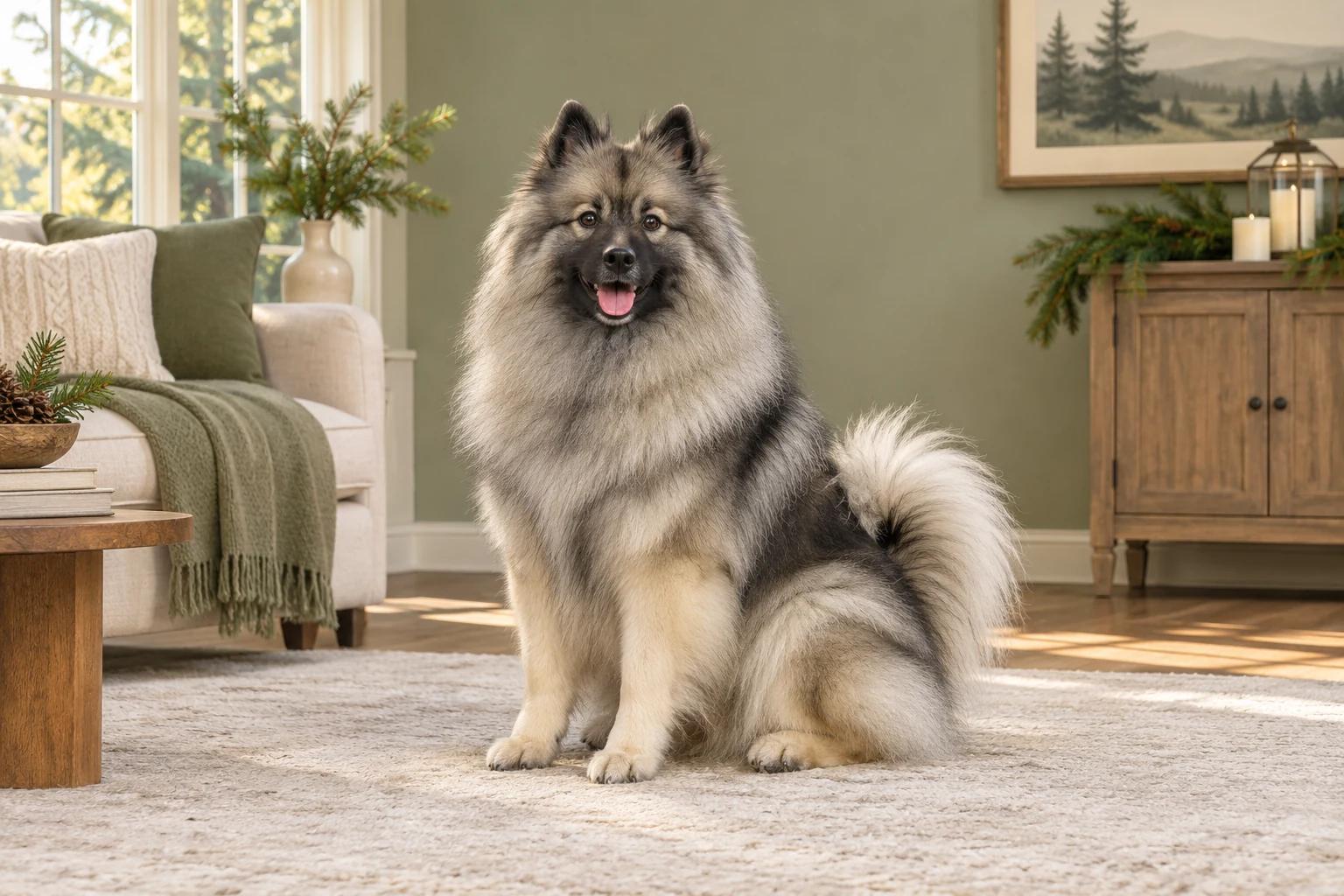
Keeshond grooming is about reaching and maintaining a layered coat, not merely making its outer surface look fluffy. A useful routine combines a suitable workspace, a method for checking the whole coat and a clear point at which you ask a groomer for help. Start by learning what is underneath the outline you see in photographs.
The UKC describes a long, straight outer coat standing away from a thick, soft undercoat, with fuller hair around the neck and hindquarters. That structure explains why a quick pass over the top may not tell you what is happening closer to the skin. UKC Keeshond standard.
Keeshond grooming: learn the coat in sections
Ask an experienced Keeshond groomer or breeder to demonstrate how they separate and work through a small section. Watch where their free hand supports the coat, how much pressure they use and how they check their work. Then repeat the movement with guidance before attempting the whole dog alone.
The Keeshond Club of America's grooming article discusses working through the coat with different tools and removing loose undercoat without unnecessarily breaking hair that remains attached. It also emphasizes adjusting the routine to the individual dog's lifestyle. Those are useful principles; your own schedule should fit your dog rather than copy another household's calendar. Keeshond Club of America grooming guide.
Create a simple coat map for your sessions: body sides, chest and ruff, hindquarters, tail and smaller finishing areas. The map is a reminder of coverage, not an instruction to use the same tool or pressure everywhere. Ask the groomer which areas need a different approach.
If you pause partway through, note where you stopped. This avoids repeatedly brushing the easy-to-reach back while forgetting a less convenient section. It also helps another caregiver continue the routine without guessing what has already been done.
Build a small kit you know how to use
When learning how to groom a Keeshond, buy technique before buying a drawer full of tools. Ask the person demonstrating to name the tool, explain its purpose and show how you can tell whether it is appropriate for your dog's current coat.
A pin brush and comb may be part of the working kit, but the label alone does not tell you how to use them. Different sizes and designs can feel very different in the hand. Keep the packaging or model details for tools recommended for your dog so you can replace them accurately later.
Do not make the amount of hair collected a competition. Your aim is to complete the care task comfortably and consistently, not to extract the largest possible pile. If the tool snags or the dog reacts, stop and reassess instead of applying more force.
Store clean tools together where they are easy to reach, with a separate container for loose hair. A practical setup makes a short session easier to begin. Put sharp equipment away when not in use and leave unfamiliar trimming tasks to a professional.
Give the workspace as much attention as the brush
Choose a stable, comfortable surface where you can reach the dog without twisting around furniture. A floor-level setup may be simpler for a beginner than unfamiliar elevated equipment. If you use a grooming table, obtain instruction in its use and never leave the dog unattended on it.
Prepare everything before starting: tools, rewards, a place for removed hair and any notes from your groomer. Having to search a cupboard mid-session makes it harder to maintain a calm, predictable sequence.
Separate handling practice from a large grooming job. You can rehearse approaching the area or a brief comfortable touch without immediately progressing to a complete brush-out. Agree on a clear finish so the dog is not left waiting while you decide whether to do another task.
If a particular area repeatedly causes difficulty, write down what happens and ask for help. A groomer can assess technique and coat condition; a veterinarian should assess discomfort or skin changes. Do not treat resistance as proof that the dog simply needs firmer handling.
Plan the whole bath, including the end
Before bathing, decide how you will manage preparation, washing, rinsing and drying. For a Keeshond, the last stage deserves real time and suitable facilities. The club's grooming guide describes drying as a substantial part of working through this coat, not an afterthought once the dog leaves the tub. Keeshond Club of America grooming guide.
VCA recommends pet-appropriate products, following their instructions and thoroughly rinsing away residue. It also encourages making the experience positive and choosing a workable bathing location. Ask your veterinarian which product is suitable if you are uncertain, particularly where a skin concern is involved. VCA bathing routine guide.
Set out towels and prepare the drying space before the bath begins. Read dilution instructions on the actual bottle rather than applying a ratio remembered from another product. Do not use a treatment shampoo or change a prescribed routine on the strength of a general grooming article.
If you plan to use powered drying equipment, ask a groomer to demonstrate appropriate handling, settings and introduction to the dog. Do not improvise a heat-based shortcut. A professional appointment may be the more practical option if you cannot complete the process comfortably at home.
Make shedding manageable in the house
Keeshond shedding means coat care and household cleaning need to work together. Put washable covers where the dog usually rests and decide where grooming hair will be collected. Keep a separate cleaning plan for the car if your dog travels regularly.
Notice where loose hair actually accumulates before buying specialized equipment. A favorite corner, bedding seam or car restraint may need more attention than the largest carpeted room. Small regular cleaning jobs can be easier to sustain than waiting until every surface needs work at once.
Keeshond coat care also includes knowing what you cannot infer from loose hair. A change in the amount on your brush is not a diagnosis. For bald areas, skin changes, persistent scratching or discomfort, contact your veterinarian rather than simply increasing brushing or switching products.
Share a clear brief with your groomer
Tell the groomer what you do at home, which tools you use and any area you find difficult. Ask what they would like you to maintain between appointments and whether your current method reaches the coat effectively. A short demonstration can be more useful than a vague instruction to brush more.
Keep the Keeshond breed profile handy for the wider ownership commitment. The breed quiz can help prospective owners consider care time, while our Keeshond history article explores the background behind the familiar look. A good grooming plan is the everyday work that makes living with that coat practical.
FAQ
Is brushing the surface enough for a Keeshond?
A surface pass does not establish that the full double coat has been worked through. Ask an experienced groomer to demonstrate section-by-section technique and how to check the coat without pulling or applying excessive pressure.
How often should I bathe my Keeshond?
Choose a routine with your groomer based on the individual coat, lifestyle and your ability to complete drying. Follow veterinary directions when a skin condition is involved rather than copying another owner's fixed schedule.
What should I do if brushing repeatedly hurts or snags?
Stop rather than forcing the tool through. Ask a groomer to assess the coat and technique, and consult your veterinarian if there is discomfort or a skin change. More force is not a substitute for identifying the problem.
Sources behind this article
Article source checked: November 15, 2026. Source checked 2026-11-15
Keep reading

Affenpinscher Grooming: A Practical Coat-Care Routine
Read article →