Karelian Bear Dog Size: Height, Fit and Home Planning
Understand Karelian Bear Dog size and shoulder height, then plan equipment, resting space and car travel around the individual dog.
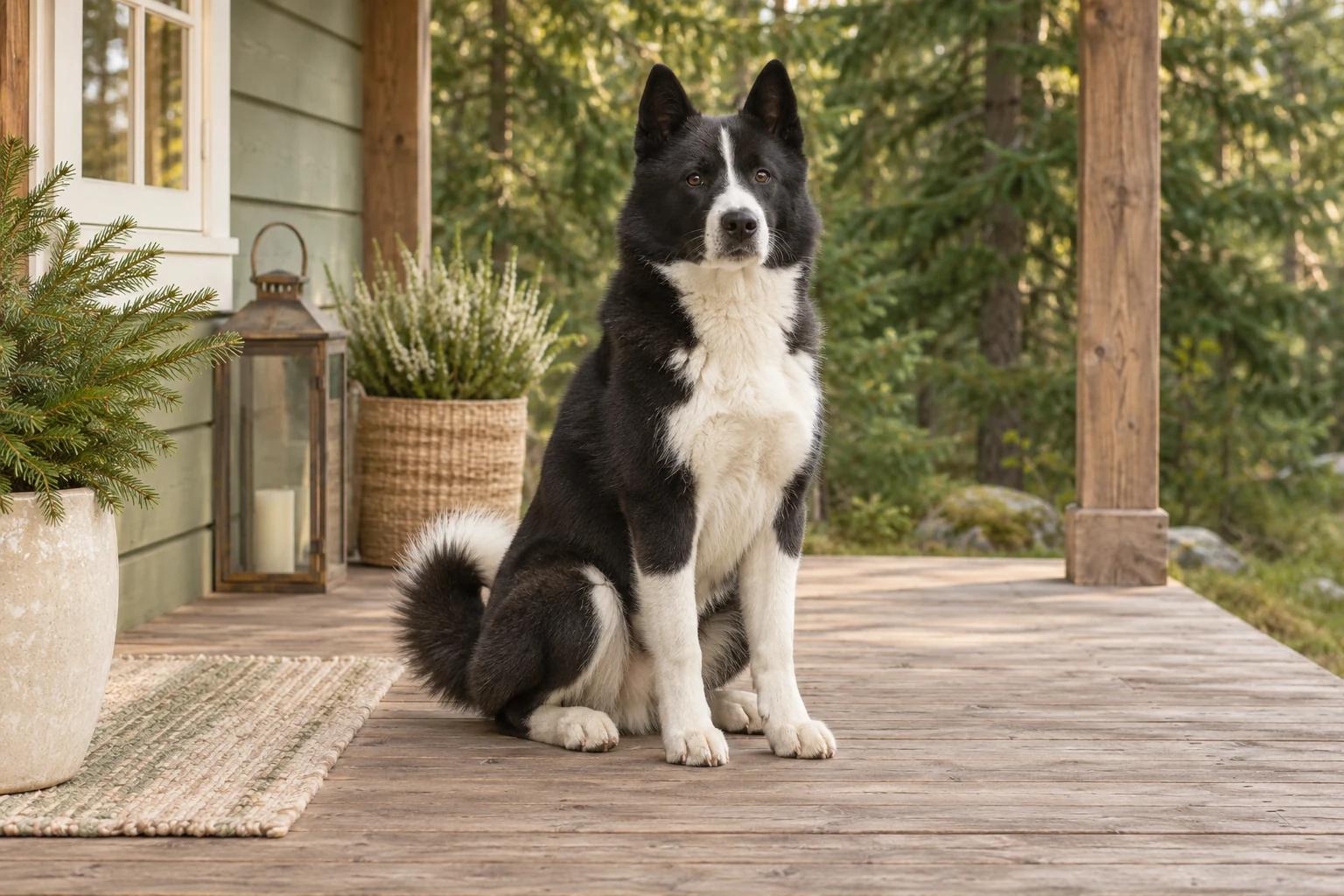
Karelian Bear Dog size belongs in the medium-dog conversation, despite a name that can suggest something enormous. The useful measurements are the dog's height at the shoulders, its actual weight and the space its body occupies when standing, turning and resting. Each answers a different ownership question.
For a prospective owner, start with the Karelian Bear Dog profile, then turn the measurements into a plan for transport, equipment and your home. A single breed label on a shopping page is not enough to select a crate or harness.
Karelian Bear Dog size: height and proportions
The My Breed Atlas profile lists an adult shoulder-height range of 19–23.5 inches. Use that range as a household-planning reference, not a prediction for a particular puppy. The Finnish Kennel Club describes a sturdy dog that is only a little longer than tall, rather than a heavy or giant breed. Finnish Kennel Club breed reference.
Karelian Bear Dog height is measured at the withers, the shoulder area, not at the top of the ears. That distinction matters when you picture the dog beside furniture. Its head and upright ears extend above the height quoted in a breed reference, so shoulder height alone is not a crate-height measurement.
The UKC also describes the body as slightly longer than its shoulder height and notes that longer hair around the thighs can make the dog look longer. Photographs can therefore be misleading, especially when the camera is low or the coat is standing out. UKC Karelian Bear Dog standard.
If you are asking how big do Karelian Bear Dogs get, the most useful next step is to meet adults. Ask about the dimensions of the particular dog's parents or adult relatives when considering a puppy. Treat that information as context rather than a promise of an identical outcome.
Weight is a record, not an equipment size
For Karelian Bear Dog weight, use a recent measured figure for the individual when making practical arrangements. Ask when it was taken and whether the record uses pounds or kilograms. A number copied from an old puppy appointment may not describe the dog you are collecting today.
Weight alone does not tell you chest circumference, body length or standing height. Two dogs with similar scale readings can need different harness adjustments. Check the actual measurement instructions for the item you are considering, and record the dimensions beside the weight instead of trying to convert one into the other.
For a puppy, keep a dated growth record without setting a target copied from another dog. Your veterinarian can interpret growth and body condition and advise on feeding. Do not change food quantities to make a puppy reach a breed-chart number, or assume that a heavier adult is a more impressive example of the breed.
A useful record has separate columns for date, weight, equipment fit and questions for your next appointment. This makes it easier to notice when a harness needs adjustment without turning every change into a judgment about the dog's final size.
Measure the dog and the spaces it uses
Ask an experienced caregiver to demonstrate measuring if your dog is unfamiliar with the process. Choose a quiet moment and avoid trying to hold the dog rigidly while another person rushes through several measurements. A calm introduction to the tape or measuring stick is more useful than a hurried number.
For home planning, measure the resting area you intend to provide. Include room for the dog to change position and for you to move around it. A bed placed in a narrow hallway may fit the floor plan while still obstructing every trip between rooms.
Check doorways and turns, not just the largest room. Where will you stand to attach equipment? Can a second person pass without stepping over the dog? Is the space still usable when coats, shoes and shopping bags arrive? These questions turn a medium-sized silhouette into a realistic household arrangement.
If you rent or share a building, check the actual rules rather than assuming a medium label qualifies. Ask the relevant person to explain any size limit and how it is applied. Keep that answer separate from whether the dog will fit comfortably into your daily routine.
Buying a harness without guessing
A Karelian's double coat can obscure where a strap rests. Follow the manufacturer's instructions for the particular harness and have someone experienced check the fit on the dog. Do not select by a product photograph or assume that a label such as medium is consistent across brands.
Record the model and adjustment settings once the fit is confirmed. This helps if another person removes or washes the equipment. Inspect it again after adjustment rather than assuming that returning a buckle to approximately the same place restores the fit.
For a growing dog, check equipment regularly and replace items that no longer fit. Buying an adult-sized item early only makes sense if it can also fit the puppy correctly now. An imagined future size should not determine present equipment use.
Car space needs a trial layout
Before purchasing a travel crate, compare the dog's required internal space with the crate's external dimensions. Then measure the vehicle opening and the place where the crate will be secured. A crate that fits the cargo area on paper may not pass through the opening or leave room to operate its door.
Do the layout with your usual luggage included. Decide where walking equipment and cleaning supplies will go so they are accessible without unpacking around the dog. If someone else will collect or transport the dog, repeat the check for their vehicle instead of assuming it is equivalent to yours.
A Karelian's manageable-looking size can make this step easy to postpone. Complete it before collection day. Ask the current caregiver how the dog normally enters and exits a vehicle, then practice the arrangement without adding a long journey immediately afterward.
Size is only one part of the match
A dog can fit physically into a home without fitting the owner's expectations. Alongside dimensions, discuss walking routines, handling and the dog's experience of your type of household. Our article on the Karelian's traditional work explains a different part of its background; the breed quiz helps organize broader ownership priorities.
Use size information to solve concrete problems, not to decide the whole relationship. Once transport, equipment and resting space are planned, spend your next conversation on what life with the individual dog is actually like.
FAQ
Is a Karelian Bear Dog a giant breed?
No. The Finnish Kennel Club describes the Karelian Bear Dog as mid-sized and sturdy, rather than heavy. Its name refers to its traditional quarry, not to a giant body size.
Where is Karelian Bear Dog height measured?
Breed height is measured at the withers, around the shoulders, not at the ears. Equipment and travel-space planning need additional measurements because the dog's head, body length and turning room are not captured by shoulder height alone.
Can I buy a harness using weight alone?
No. Use the manufacturer's measurements and check the harness on the individual dog. Weight does not establish chest circumference or strap placement, and a double coat can make visual estimates unreliable.
Sources behind this article
Article source checked: November 15, 2026. Source checked 2026-11-15
Keep reading

Airedale Terrier Temperament: What Everyday Life Can Feel Like
Read article →