Kai Ken vs Kishu Ken: Choosing Your Everyday Companion
Compare Kai Ken and Kishu Ken through introductions, walks, coat care and the practical questions to ask before choosing.
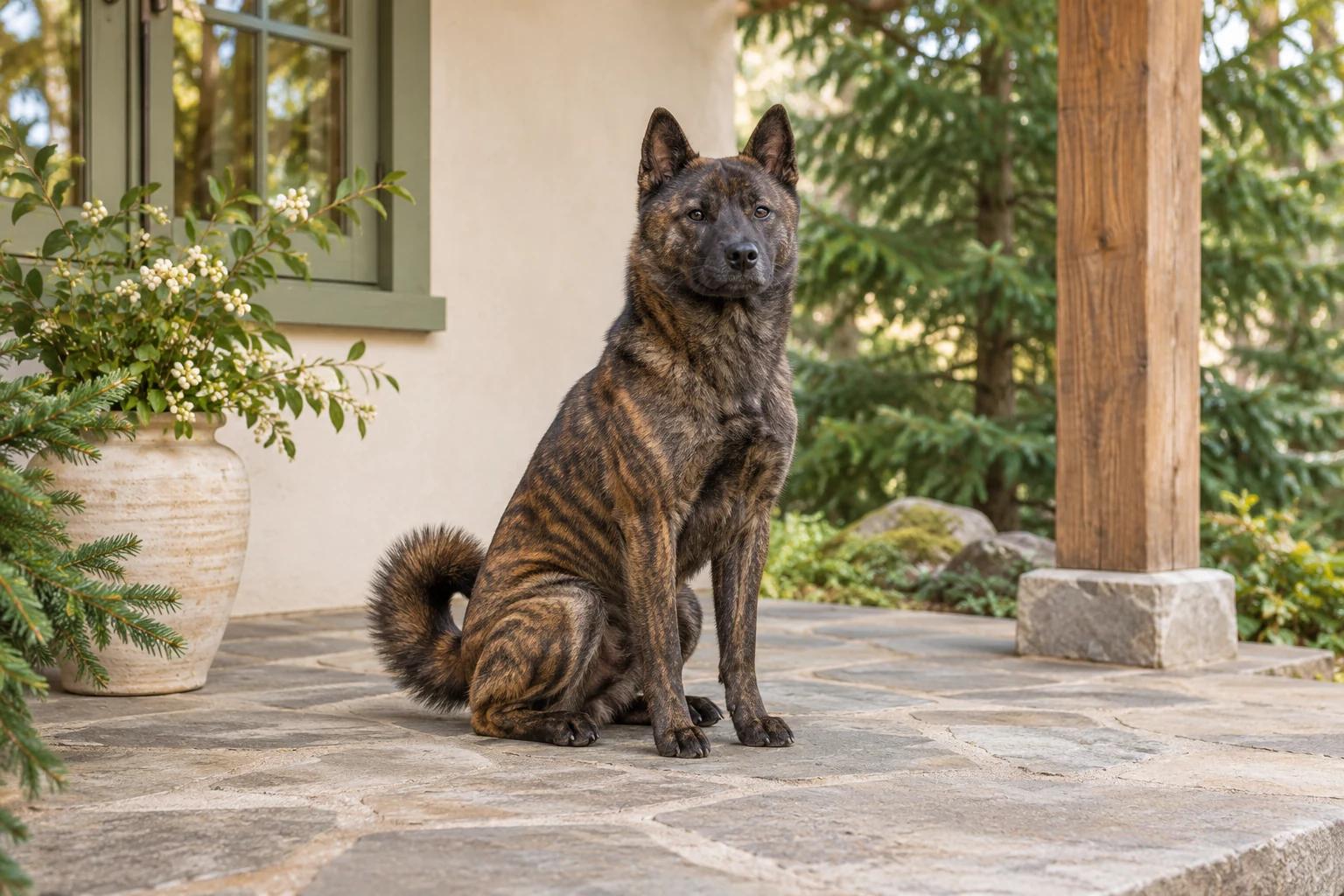
Kai Ken vs Kishu Ken is a choice between two Japanese hunting breeds, not between a striped dog and a white version of the same dog. Their shared upright ears and curved tails can make photographs look deceptively similar. For an owner, the more revealing comparison happens at the front door, on a walking route and during an ordinary evening at home.
Start with the Kai Ken profile and Kishu Ken profile, then compare actual dogs with the same questions. Neither a dramatic outdoor photograph nor a short temperament label tells you how a dog will fit into your working week.
Kai Ken vs Kishu Ken: the clearest differences
The UKC describes the Kai as a medium-sized hunting spitz with a brindle coat and notes reserve toward unfamiliar people. Its Kishu standard describes a compact, muscular hunting dog with a double coat; accepted colors include white, red and sesame. Those are useful identification and background differences, not a ranking of the two breeds. UKC Kai standard, UKC Kishu standard.
The difference between Kai Ken and Kishu Ken that matters most to your household may be less visible. A dog that comfortably ignores visitors creates a different routine from one that wants to greet them. A dog that can rest beside your desk is a different prospect from one whose familiar routine centers on outdoor work. Ask for examples involving the particular dog or its adult relatives instead of deciding from breed descriptions alone.
Make a comparison sheet with three columns: what you need, what you have observed, and what remains unknown. Put coat color on it if appearance matters to you, but put daily handling, alone-time arrangements and walking conditions above it. This stops an appealing picture from answering questions it cannot answer.
Meet them without staging a performance
For the Kai, allow room for an introduction that does not begin with a stranger reaching toward its head. Ask its caregiver to show you an ordinary arrival: where the dog waits, whether it approaches and how the household moves on afterward. You are looking for a workable routine, not a compulsory greeting.
Use the same approach with a Kishu. Do not assume that a different breed name makes immediate physical contact appropriate. Let the caregiver describe the dog's preferences and give the dog space to choose its position. If you are comparing two visits, note differences in setting as well as behavior. A dog meeting you at home and one meeting you at a noisy event have not taken the same test.
Ask what happens after visitors sit down. Does the dog return to a usual resting place? Does someone need to manage a doorway? Where would your own visitors leave coats and bags? These practical details tell you more about hosting friends than a claim that a breed is loyal or dignified.
Plan the walk before choosing the dog
Both breeds have hunting backgrounds. Treat that as a reason to discuss outdoor management carefully, not as an invitation to see whether a dog will chase something. Ask how the current caregiver handles wildlife, narrow paths and unexpected movement. Request a demonstration on a familiar route, with the dog's normal equipment.
Your route may matter more than your home's floor area. A quiet path with room to turn around offers choices that a crowded pavement does not. Walk your proposed route yourself at the time you would actually use it. Notice blind corners, loose dogs, opening gates and places where you could create distance without stepping into traffic.
If you imagine weekend hikes with either breed, also imagine the unphotographed parts: the car journey, waiting at a trailhead, passing another walker and returning home muddy. Decide who will handle the dog while another person opens the car or carries equipment. An outdoor companion needs a complete outing plan, not merely a destination.
Avoid choosing the Kai or Kishu on a promise of future off-leash freedom. A contained exercise option and a practical leash routine should work even if off-leash outings never become part of your life.
Compare the work of living together
When weighing Kai Ken or Kishu Ken, ask each caregiver to describe yesterday. What time did the dog go outside? Where did it spend the workday? What training took place? How was equipment put on? Real days reveal the small jobs that polished breed introductions omit.
For coat care, arrange to see the tools currently used and ask where loose hair collects. Both profiles describe double coats; a relatively uncomplicated outline does not mean no household cleaning. Think about washable bedding, access to a suitable brushing area and who will do the work when the usual person is away.
Do not choose a crate, harness or car restraint solely from a breed label. Measure the actual dog and check the manufacturer's fitting instructions. If choosing a puppy, discuss likely adult dimensions with the breeder while allowing for growth. Buying every item in advance can be less useful than setting aside a realistic equipment budget.
Training support belongs on the comparison sheet too. Ask whether a local trainer is comfortable working with Japanese hunting breeds and whether lessons can begin in a quiet setting. A class that looks convenient on a map may be a poor starting environment for the individual dog.
Questions that produce a useful answer
A Kishu Ken vs Kai Ken conversation becomes clearer when you ask questions that invite stories rather than praise:
- What does this dog do when an unfamiliar person enters?
- Which walking situation needs the most planning?
- What reward or activity holds its attention during practice?
- What has changed as it matured?
- How does a substitute caregiver manage its ordinary routine?
Write the answers in the owner's language, then ask for clarification where necessary. “Fine once settled” could mean a brief pause or a complicated introduction. “Knows recall” could describe a kitchen exercise rather than a response outdoors. Specifics make comparisons fairer.
If your interest began with the Kai's markings, our article on documenting a Kai puppy's developing brindle coat covers that separate question. Keep appearance research separate from your ownership decision. The breed quiz can help organize your priorities before you meet dogs, but the final choice should rest on a routine you can genuinely provide.
FAQ
Are Kai Ken and Kishu Ken the same breed?
No. Kai Ken and Kishu Ken are separate Japanese breeds with their own standards. Their spitz outlines can look similar, but the Kai's brindle appearance and the Kishu's accepted white, red and sesame colors are among the visible distinctions.
Is one automatically easier for a first-time owner?
Neither breed name settles that question. Compare the individual dog's needs, your walking environment, available training support and the amount of everyday management you can maintain. Ask caregivers for demonstrations rather than an easy-or-hard label.
Should coat color decide between them?
Coat color can be a preference, but it should not decide an ownership match. Visitor routines, outdoor handling, daily company and care arrangements have much more influence on life with either dog than its color does.
Sources behind this article
Article source checked: November 15, 2026. Source checked 2026-11-15
Keep reading

Affenpinscher vs Brussels Griffon: Everyday Differences
Read article →