Japanese Akitainu Grooming: A Practical Coat-Care Plan
Organize Japanese Akitainu grooming for routine brushing, seasonal loose coat, bathing logistics, comfortable handling, and household cleanup.
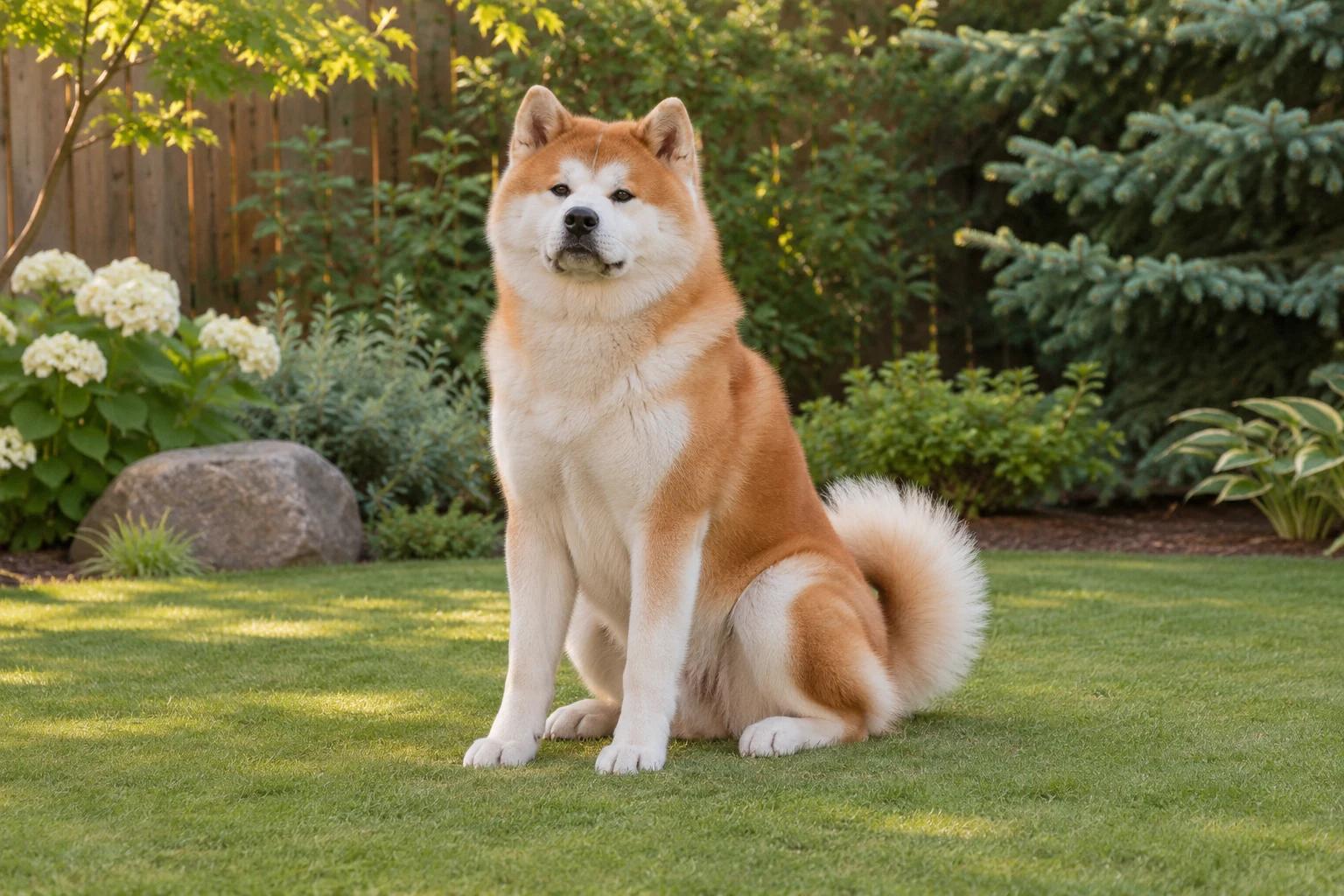
Japanese Akitainu grooming involves more than keeping the visible surface tidy. The coat includes coarse guard hairs and softer undercoat, so a neat outline can conceal loose hair that needs attention. A workable plan brings together the dog's comfort, appropriate tools, enough time, and a place where the resulting hair is easy to collect.
The Japanese Akitainu profile is a starting point for ownership planning. Before buying equipment, ask an experienced groomer to demonstrate care on a coat like your dog's.
Japanese Akitainu grooming: organize the job before starting
Choose a stable, uncluttered area where the dog can stand or rest comfortably. Put the tools, rewards, waste container, and clean towels within reach. Avoid setting up where someone will need to squeeze past or repeatedly open a door beside the dog.
Decide what you intend to accomplish in that session. A brief brush of one area is a legitimate task. A full bath and dry is a different commitment and should not begin simply because the brush is already out.
Consider your own working position as well. Can you reach the coat without repeatedly pulling the dog around? Is there room to change sides? A setup that is awkward for the person often makes it harder to maintain a calm sequence for the dog.
Keep an uncomplicated record of completed areas and anything you need a professional to demonstrate. This helps divide care into manageable appointments without losing track of what remains.
Understand the coat without trying to reshape it
The JACA standards page describes straight, coarse guard hairs standing away from the body and softer undercoat. That texture explains why care should address more than the outer silhouette.
Ask a groomer to show how to work through a small section with suitable pressure and how to recognize when that area is adequately checked. Follow the demonstration rather than repeatedly brushing the same spot because more hair might come out.
The club's grooming guide favors ordinary brushes and combs over tools with cutting blades that may damage guard hairs. Do not choose an aggressive-looking tool solely because its packaging promises to remove a large amount of hair quickly.
Bring the tools you already own to the appointment. Ask which are appropriate, which are redundant, and whether any should be set aside. A small understood kit is more useful than a drawer full of implements you cannot use confidently.
Adjust the routine when loose coat increases
Japanese Akitainu shedding can become particularly noticeable during seasonal undercoat loss. JACA describes substantial tufts collecting around the home during these periods. Prepare for a change in the amount of loose hair rather than treating every week as identical.
A useful household plan separates dog care from cleanup. Choose when coat work happens, when bedding is checked, and when the floor is cleaned. Keep a waste container nearby so removed hair does not simply move from the dog to the surrounding room.
Observe your own dog's pattern. Note when more hair begins collecting on bedding and whether the usual routine still seems manageable. Discuss changes to frequency or technique with the groomer instead of assuming a fixed calendar suits every coat.
Do not measure success by how dramatic the pile of removed hair looks. The goal is a comfortably cared-for coat, not the largest possible collection from a single session. Stop and seek advice if you cannot distinguish ordinary loose undercoat from a problem area.
Plan bathing as a complete appointment
A bath includes preparation, washing, rinsing, drying, and returning the space to normal. With a substantial coat, the final stages deserve as much planning as getting the dog wet.
JACA's grooming guidance stresses thorough drying. Ask a groomer to demonstrate an appropriate method and equipment for your dog, including how to judge whether the work is complete. Do not assume the outside feeling dry tells you everything about the coat beneath it.
Before starting at home, check that towels and suitable products are ready and that you have enough uninterrupted time. If the available setup cannot accommodate the whole process, arrange professional help rather than improvising halfway through.
There is no need to copy someone else's bath calendar without considering your own dog. Discuss timing and suitable products with a groomer or veterinarian, especially if skin concerns or unusual odors are present. Avoid experimenting with household chemicals or products intended for people.
Teach the handling separately from the deadline
Japanese Akitainu coat care becomes harder when every encounter with a brush means a lengthy session. Practise brief, comfortable steps when there is no urgent task to finish.
Start with entering the care space and standing for a moment. Later, add a short brush stroke in an easy area, reward cooperation, and pause. Let the dog learn the sequence before expecting a long appointment.
Use a consistent finishing signal and put the tools away when the session ends. If another household member helps, agree who handles rewards and who handles the brush so the dog is not receiving competing directions.
If handling is difficult, ask a qualified reward-based trainer and groomer to coordinate the plan. Sudden sensitivity or an unexpected change in tolerance should be discussed with a veterinarian rather than assumed to be a training problem.
After outings, use a simple inspection routine
JACA recommends checking for debris or other material caught in the coat after excursions. Choose a well-lit place and give yourself time to look rather than immediately reaching for scissors or another cutting tool.
Note where material tends to collect after your usual routes. That observation can guide what you check first the next time. If something is tightly caught, difficult to identify, or close to the skin, ask a professional how to handle it.
Keep other routine care on the calendar as separate tasks. Nails, ears, and teeth are not covered simply because the coat has been brushed. Obtain appropriate demonstrations and veterinary guidance rather than attempting unfamiliar procedures while the dog is already tired of standing.
Make the routine fit the home you actually have
Think through storage, laundering, cleanup, and transport to appointments. A grooming plan is more likely to happen when the tools are easy to find and the care area does not need to be rebuilt every time.
If you are learning how to groom a Japanese Akitainu before choosing the breed, ask to observe an ordinary care session and a discussion of seasonal maintenance. Use the breed match quiz to weigh that commitment alongside the rest of your routine.
For coat-color terminology rather than care technique, read the Japanese Akitainu urajiro explanation. Understanding what a marking is called does not change the need to learn the individual coat's practical care.
FAQ
What tools should I buy for Japanese Akitainu grooming?
For Japanese Akitainu grooming tools, ask an experienced groomer to demonstrate suitable brushes and combs for the individual coat. Knowing how to use a modest kit matters more than owning many tools.
Does seasonal shedding change the grooming plan?
Seasonal loose undercoat can change a Japanese Akitainu's grooming and household-cleanup workload. Observe your own dog's pattern and ask a groomer about appropriate frequency and technique rather than following a rigid calendar.
Is brushing enough to cover all routine care?
Brushing a Japanese Akitainu addresses its coat, not every routine care task. Nails, ears, teeth, and any skin concerns need their own appropriate guidance. Ask for demonstrations and consult a veterinarian about abnormalities or sudden changes.
Sources behind this article
Article source checked: November 16, 2026. Source checked 2026-11-16
Keep reading

Affenpinscher Grooming: A Practical Coat-Care Routine
Read article →