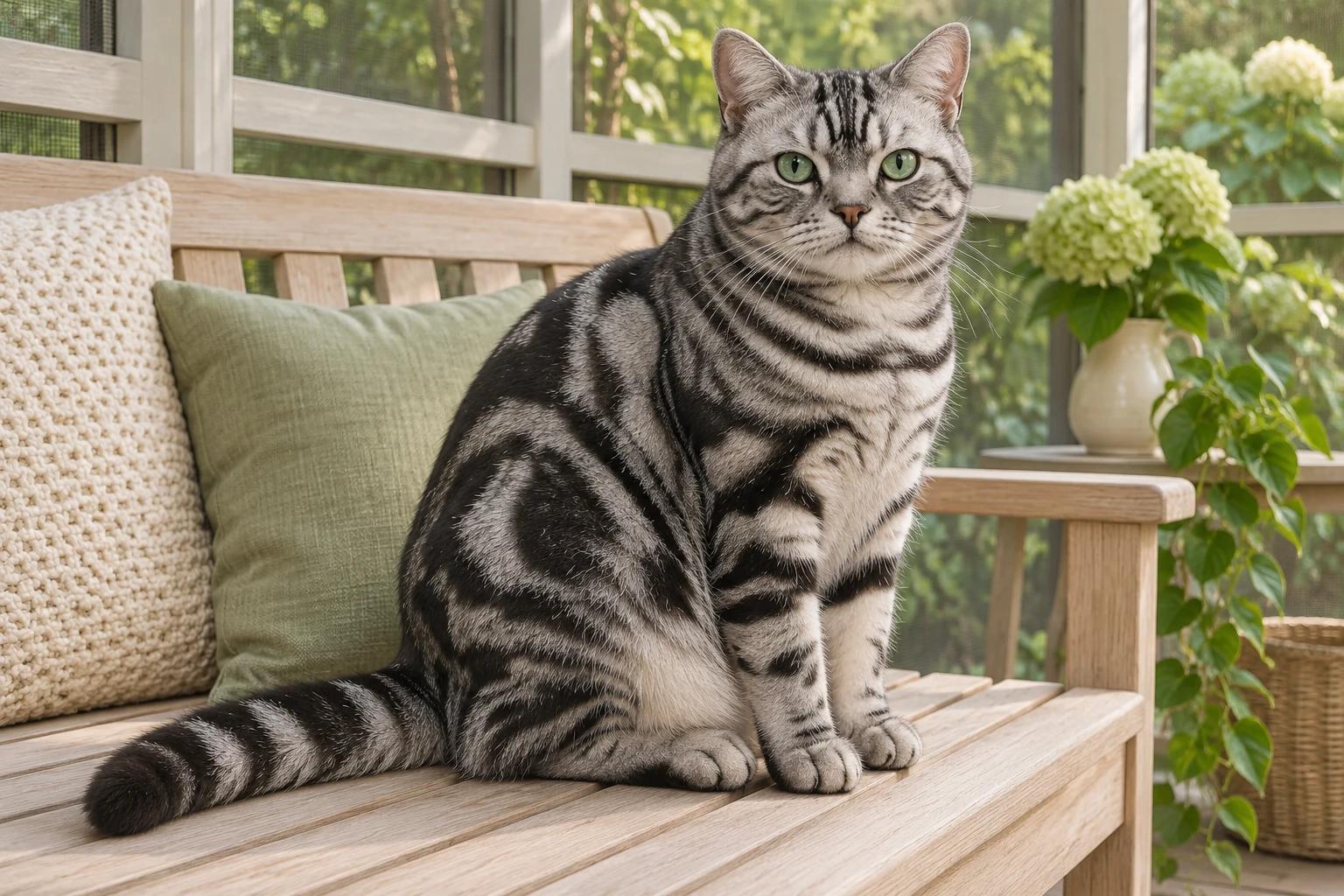
Himalayan training: a practical guide for owners
Explore Himalayan training with practical name responses, a voluntary paw game and scratching-post lessons, using clearly identified feline methods.

Himalayan training is easier to discuss when “training” means a particular action rather than an overall judgment about the cat. Himalayan obedience is not a single skill that an animal either possesses or lacks. An owner can ask a much clearer question: what, exactly, am I trying to teach?
This guide separates a breed account from practical feline teaching methods. The methods are general cat guidance, not results from Himalayan-only training trials. Use the Himalayan profile for the broader breed picture, while keeping the purpose of an individual lesson specific.
Himalayan training begins with a willing partner, not a stereotype
Jody Lawson's ACFA breed synopsis describes Himalayans as people-oriented cats that like participating in ordinary household activities. Its examples include joining someone reading, using a computer or watching television. It also describes playfulness and greeting familiar people after an absence.
For an owner, that is a reason to recognize company as something more varied than being held. Your Himalayan may be present beside an activity without already understanding any instruction associated with it. Sitting near your computer is participation in your day, not evidence of having learned where you want paws placed.
Keep that distinction when considering Himalayan socialization. A broad account of enjoying familiar company does not tell you every experience an individual has had with unfamiliar people. Ask about the cat's own history rather than assuming a breed description fills in that information.
Shared activity is an opportunity, not a promise of instant cooperation.
Teach a name response before expecting a journey across the room
Cats Protection's name lesson starts with a relaxed cat in a quiet setting. Say the name; when the cat looks toward you, mark that response with a cheerful “yes” and promptly offer a reward. The initial action is looking, not completing a long-distance recall.
Repeat in brief sessions. Once this is familiar, gradually alter your position or increase distance. Those changes should be incremental, rather than jumping from close attention to calling from another room. This is a concrete starting point for someone asking how to train a Himalayan: establish what the sound predicts before making the setting more difficult.
If the cat does not respond, do not keep increasing your volume. Cats Protection recommends making the task easier or the reward more appealing, and taking a break if either participant becomes frustrated. Calling more loudly is not the same as making the lesson clearer. The response you want remains the same even when your distance from the cat changes.
Turn a paw touch into an optional shared game
Battersea's high-five method begins with a treat inside a closed hand held near the floor. When the cat touches the hand with a paw, say “yes” and reward. Give the animal time to discover the movement rather than arranging the paw yourself.
Gradually raise the hand once the touch is consistent. Next offer an open, empty hand, marking and rewarding contact. Progress to presenting the palm outward. The food reward follows the touch; it need not remain inside the hand being touched.
Battersea introduces the words “high five” once the action is established, saying them as the paw makes contact. That sequence matters: the phrase is being attached to an action the cat can already perform, not used as an unexplained demand from the outset.
This is an optional game for your Himalayan, not a required display of affection or intelligence. Its value is the shared learning process, not producing a photograph with the highest possible paw.
Reward progress toward the scratching post
VCA's training guidance gives a practical example of rewarding steps toward an appropriate scratching surface. First reward approaching the post, then touching it, then scratching. Food, attention or a favored toy can help make the activity worthwhile to the individual cat.
For your Himalayan, distinguish these steps instead of waiting for the entire finished behavior before acknowledging anything. Approaching the post is not scratching, but it is movement toward the activity you are teaching. The next stage asks for a different action at the same object.
VCA recommends redirecting furniture scratching toward the post rather than punishing the cat. That changes the lesson from “something unpleasant happens here” to providing an alternative action with a worthwhile outcome. Keep the reward associated with the appropriate surface. A toy offered beside the post and food delivered at the post both direct attention toward that alternative location.
Rewards need not be identical for every cat. VCA notes that some cats work for their regular food and others prefer a different reward. If you need help choosing suitable food rewards, ask your veterinarian rather than assuming another owner's choice fits your cat.
The cat breed quiz can help explore broader ownership preferences. For the separate environmental topic already covered for this breed, see the Himalayan hot-weather care article.
Frequently asked questions
Does a Himalayan breed description prove that my cat knows a cue?
No. A Himalayan's enjoyment of familiar company is different from knowing a particular instruction. Teach the action rather than assuming companionship supplies the lesson.
Can a Himalayan's first name lesson count a look as success?
Yes. In this name-training method, a Himalayan looking toward you is the first rewarded response; distance comes later.
When should I add the words “high five” for my Himalayan?
Add the Himalayan's high-five cue when the paw-touch action is established, saying it at the moment of contact.
Sources behind this article
- ACFA Himalayan breed synopsis by Jody Lawson ↗
- Cats Protection: teaching a name response ↗
- Battersea: teaching a high five ↗
- VCA: using food and treats for training cats ↗
Article source checked: November 16, 2026. Source checked 2026-11-16
Keep reading

Abyssinian Cat Training: Useful Skills for an Active Cat
Read article →