Planning a Himalayan’s care during hot weather
Prepare a Himalayan hot-weather care plan with accessible cool resting places, fresh water and clear veterinary contact instructions for other carers.
Plan around the rooms your cat actually uses
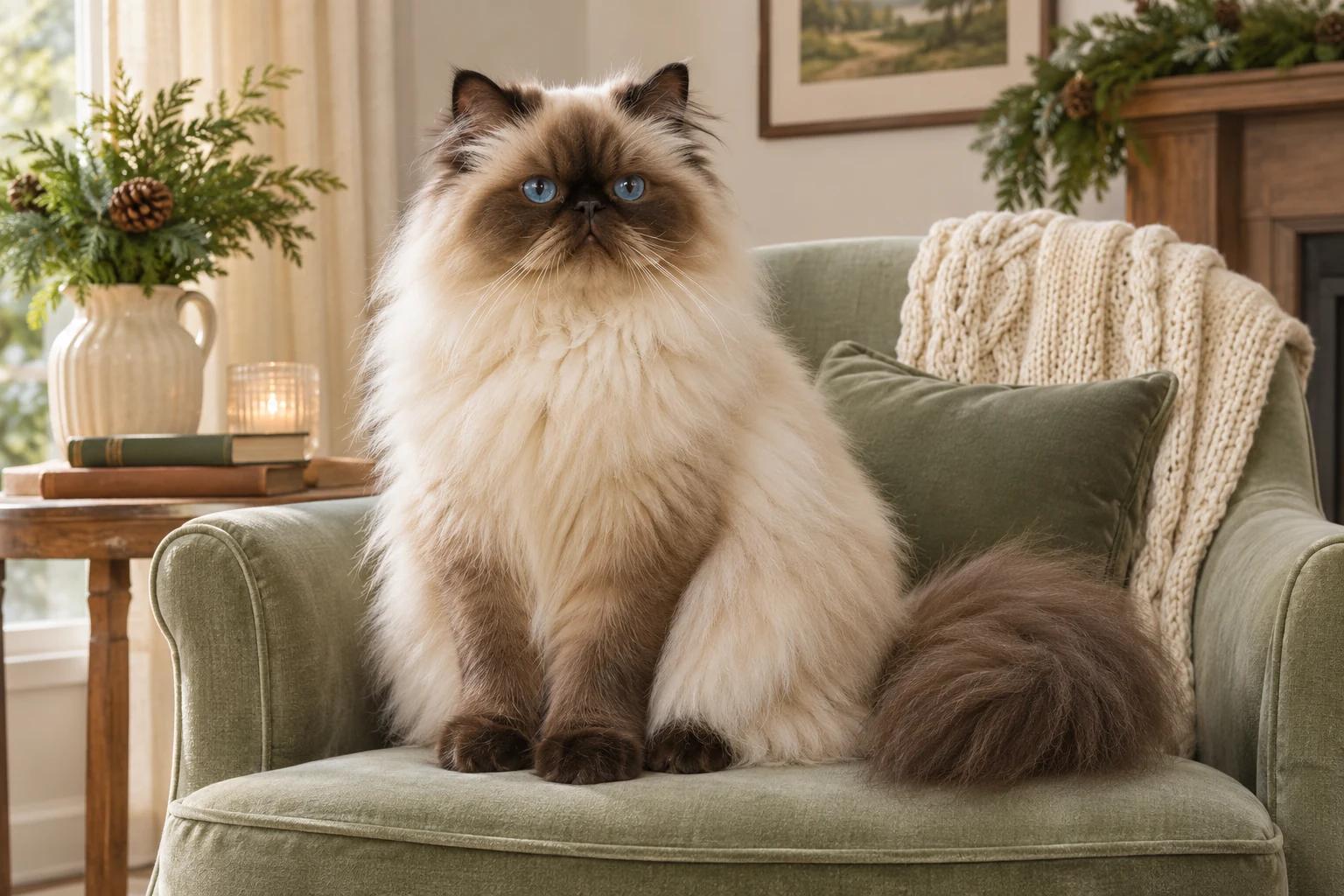
TICA describes the Himalayan’s long coat and undercoat. That makes coat care part of ordinary ownership, but coat length alone cannot tell you whether a room is safe or whether a cat is coping with heat. Before warmer weather, look at where your Himalayan rests as sunlight moves through the home.
Identify an accessible cooler area and check whether a door, another pet or a busy household route might prevent the cat reaching it. Do this at different times of day. A room that feels comfortable at breakfast may be very different later, especially if curtains are open and nobody is home to notice.
Keep shade and water practical
Cats Protection recommends shady options and clean water that is kept topped up in warm weather. Decide where those resources will be and who checks them. If you offer additional water locations, keep them easy to find and away from litter areas. The goal is reliable access, not a particular bowl or device.
Walk through the arrangement as the person covering care would experience it. Can they refill water without searching for supplies? Do they know which doors need to stay accessible and which windows must remain secure? Write those practical details down. Do not create an escape risk while trying to improve ventilation or rely on an unfamiliar gadget as the only cooling option.
Separate coat maintenance from heat treatment
A long coat may tempt an owner to choose a haircut as the first response to a warm forecast. Discuss coat concerns with your veterinary team or an appropriate cat groomer rather than improvising trimming or mat removal at home. Ask what care is suitable for this cat, especially if usual grooming has become difficult.
Likewise, do not use a cold bath or a forced stay beside a cooling item as an ordinary comfort experiment. This article is a planning guide, not emergency heat treatment. If the cat appears unwell or you are concerned about dehydration, contact the vet for advice instead of assuming a household adjustment is sufficient.
Give another carer a clear escalation plan
Keep the practice and emergency contact details with the care note. PDSA advises immediate veterinary contact if a cat struggles to breathe, breathes with its mouth open or collapses. Do not explain those signs away as a reaction that will settle after a rest. Follow the veterinary team’s instructions while keeping the cat calm.
Review the plan when your schedule changes or a hotter period begins. It should identify accessible resting choices, water checks and a responsible backup person. For your Himalayan, success is a practical arrangement that can be maintained while everyone is busy, with a clear route to professional help. It is not a temperature guarantee or a claim that a thick coat makes every individual respond the same way.
Sources behind this article
Article source checked: October 22, 2026. Source checked 2026-10-22
Keep reading
Keeping a Sphynx comfortable through changes in room temperature
Read article →