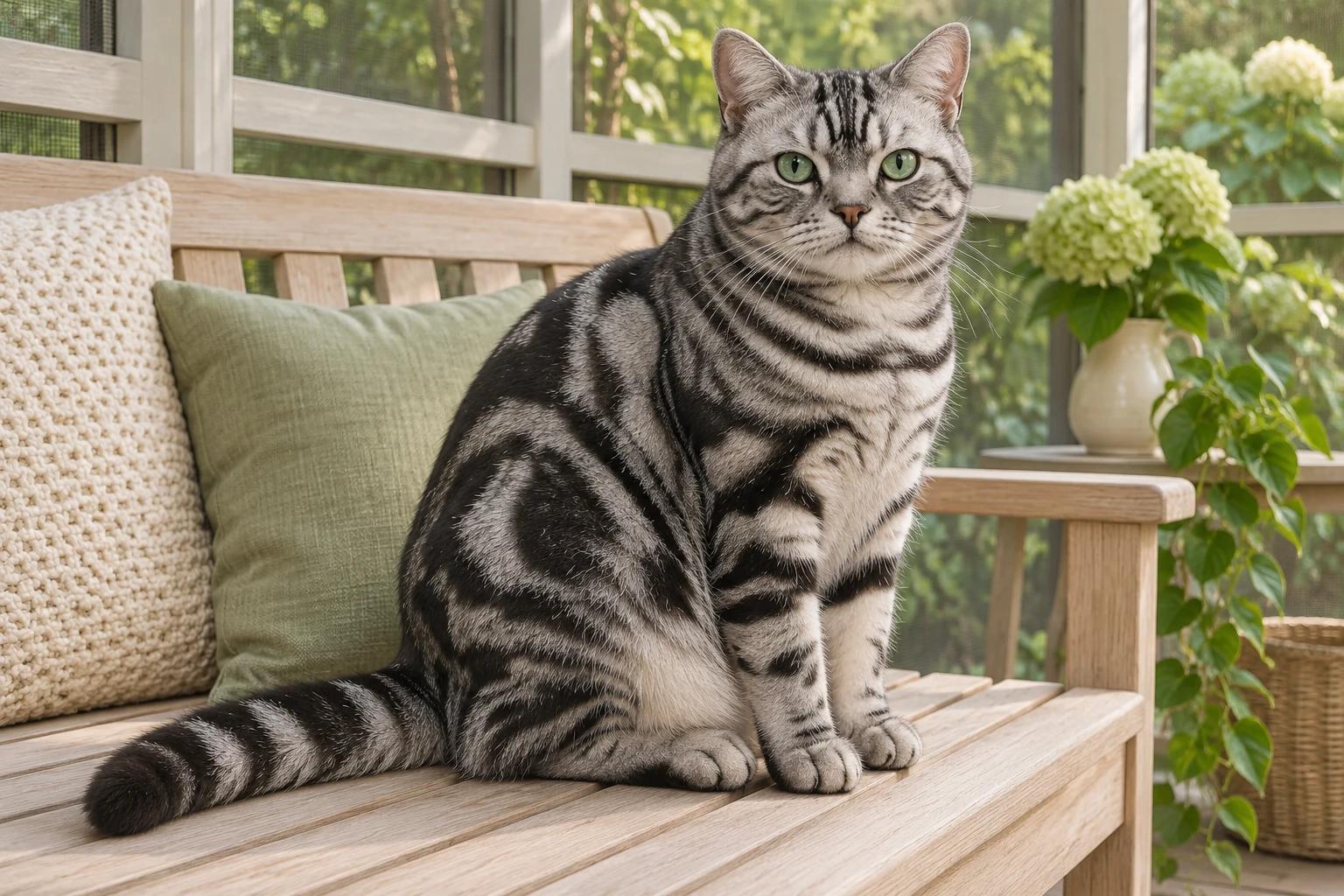
Highlander training: practical skills for your cat
Learn practical Highlander training using general feline methods for choosing rewards, teaching sit, introducing a mat and meeting unfamiliar people.
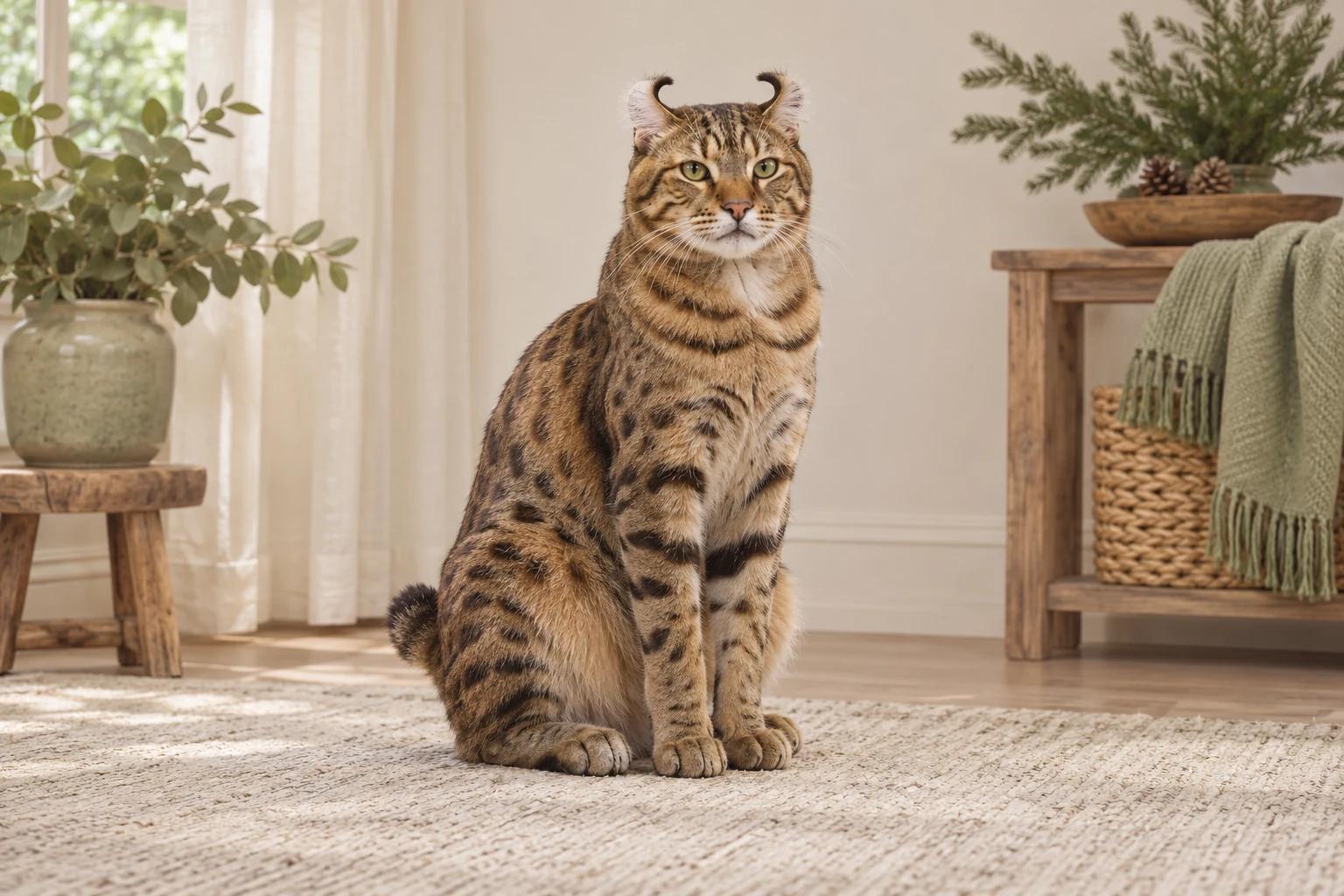
Highlander training does not require pretending that the breed has its own tested learning formula. This guide applies general feline teaching methods to a Highlander household. The Highlander profile lists an adult weight range of 10–20 pounds; that physical reference does not tell you how quickly an individual will learn. A large adult and a small kitten are different animals to work alongside, but neither comes with a guaranteed level of understanding attached to the breed name. The practical aim here is a usable skill, not a comparison of intelligence with another cat.
Highlander training begins with a reward the cat actually chooses
The FelineVMA training toolkit recommends a preference assessment rather than assuming food is always the strongest reward. Present a few possible options and observe what the cat engages with. A toy, an offered interaction and a small food reward can have different values to the same individual.
Check the effect, not just the product label. A reward functions as reinforcement when it increases the behavior you are teaching. If the cat accepts something but the action does not become more likely, another preferred reward may work better. Preferences can change between sessions; yesterday's choice need not settle today's lesson.
Deliver the chosen reward promptly after the action. Prepare it before beginning so that the moment does not disappear while you search a cupboard. Work with one cat at a time and keep distractions low. These details make the connection between action and consequence clearer. They are general teaching principles, not evidence that Highlanders respond best to a particular brand or kind of food.
Teach a sit without pushing the cat into position
Cats Protection's sit guide uses a food lure for a confident cat physically able to perform the movement. Hold a small treat near the nose, then slowly lift it and move it a little backward. As the cat follows with its gaze and sits, say “yes” and deliver the treat. Kneeling can avoid looming over the animal.
Do not press its hindquarters down. Once the movement works consistently, gradually turn it into a smaller hand signal. Later, make the same signal without food already in that hand, then provide the reward after the sit. Removing the visible lure does not mean removing the reward.
Add the spoken cue just before the familiar hand signal, once the sequence is established. This order answers an important part of how to train a Highlander: a new word becomes useful through its connection with something the cat already understands. Repeating an unfamiliar word by itself does not demonstrate the action you want. Keep practice brief and voluntary.
Give the cat a clear destination
AAHA's place-training guidance starts with a flat, non-slip mat or towel on the floor. Let the cat investigate; mark and reward attention to the mat, then successive steps onto it. Work from a paw on the surface toward all four paws rather than putting the animal there yourself.
For your Highlander, choose a surface that actually accommodates its standing position. Four paws crowded onto a tiny decorative square are not a useful interpretation of the task. The destination should be physically clear as well as visually recognizable.
When stepping onto the mat is reliable, begin rewarding short periods of remaining there. Deliver the reward while the cat is still on the surface. Build duration gradually and add a cue such as “place” once the behavior is predictable. Highlander obedience need not mean physically holding a position: the lesson is that choosing this destination produces a worthwhile outcome. Keep the surface at floor level while introducing it, rather than adding an elevated landing to the first lesson.
Separate meeting people from performing a cue
Highlander socialization is not the same task as teaching a sit. VCA's kitten guidance describes socialization as learning about other animals and people, with the term also used for adjusting to relevant surroundings. Its recommendations concern kittens generally, not a Highlander-specific timetable.
Let a kitten initiate an introduction. A new person can have treats or a toy available without reaching in and grabbing the kitten. That creates an opportunity to approach rather than an obligation to tolerate contact. A seated, quiet visitor at a comfortable distance is a different experience from someone moving directly toward the animal. For example, the kitten can observe a visitor from across the room before choosing to move closer.
If the introduction is frightening, stop rather than increasing exposure in the hope of getting it over with. Arrange a less intense encounter later, and seek professional guidance for continuing fear. The important outcome is a manageable experience, not the number of strangers met. Do not turn a first introduction into a demonstration of newly learned cues for an audience.
For broader household matching, use the cat breed quiz. The separate Highlander pre-adoption veterinary questions article covers conversations about individual care. Veterinary concerns belong with your veterinarian.
Frequently asked questions
Which reward should I choose for Highlander training?
Highlander training should use what the individual cat prefers, rather than assuming every lesson requires the same food reward.
Should I push my Highlander into a sit?
Highlander sit training should remain voluntary. Teach the movement without physically pressing the cat down.
When should I add a Highlander mat cue?
Add a Highlander mat cue once going onto the surface is predictable, rather than using the word to force compliance.
Sources behind this article
- FelineVMA reinforcement techniques ↗
- Cats Protection sit training ↗
- AAHA Cat training101 ↗
- VCA kitten socialization ↗
Article source checked: November 16, 2026. Source checked 2026-11-16
Keep reading

Abyssinian Cat Training: Useful Skills for an Active Cat
Read article →